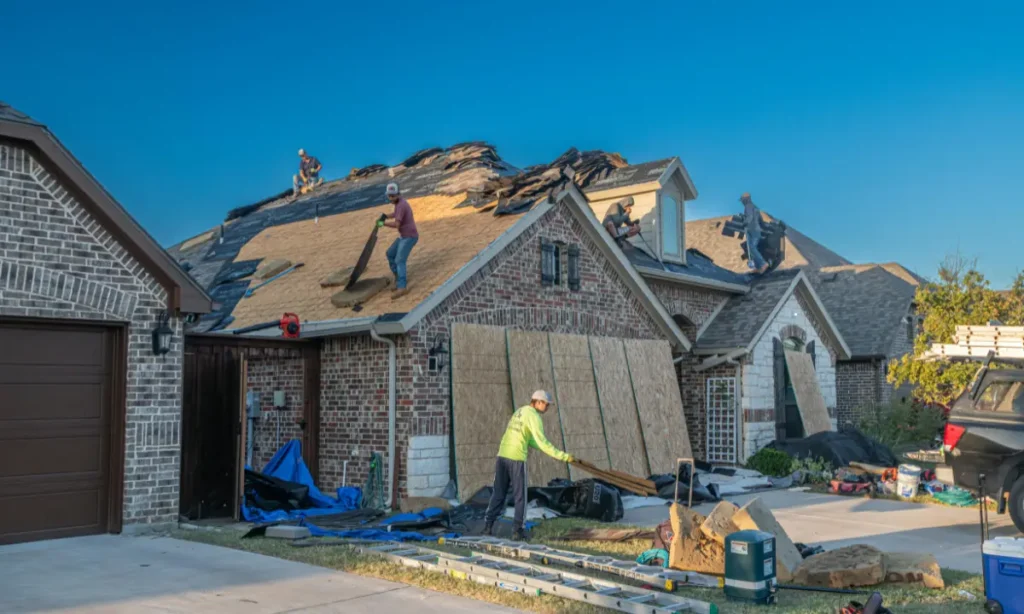
Homeowners in Greeneville, TN often face the same problem when planning a roof replacement: choosing between galvanized and Galvalume metal roofing without clear, practical guidance. Both materials look similar at first glance, yet their long-term performance, rust resistance, and maintenance needs can be very different. A wrong choice can lead to early corrosion, higher repair costs, and a shorter roof lifespan than expected. This guide breaks everything down in simple terms so you can make a confident decision for your home, business, or farm property.
Metal roofing is widely used in Greeneville due to changing weather conditions, including heavy rain, humidity, summer heat, and occasional winter freezing. Project timing also matters, so homeowners should understand how the weather affects roof replacement before choosing a metal roofing system. The key difference between roofing systems is not only the steel itself but the protective coating applied on top. That coating determines how well the roof resists rust, how long it lasts, and how much maintenance it needs over time. Understanding this early can help avoid costly mistakes during installation or replacement.
What Homeowners Need to Know Before Choosing Metal Roofing
Steel roofing by itself is strong, but it cannot survive long without protection. That protection comes from coatings applied during manufacturing, and this is where galvanized and Galvalume roofing begin to differ in real performance.
In simple terms, galvanized steel uses a zinc coating that protects the base metal. Galvalume steel uses a combination of aluminum and zinc, which creates a stronger barrier against moisture and oxygen. This difference may sound small, but it directly affects how quickly rust forms and how the roof behaves after years of exposure.
In Greeneville, TN, roofs are exposed to seasonal rain, humidity, and temperature changes. These conditions slowly break down weaker coatings. Many homeowners notice that galvanized roofs start showing rust sooner, especially at cut edges, fasteners, and scratched areas. Galvalume roofing, on the other hand, tends to hold up longer because the aluminum layer provides an extra shield against corrosion.
Before choosing a material, homeowners should think beyond initial cost. A cheaper roof today can lead to higher replacement costs later if the coating fails early. For most long-term residential and commercial roofing systems, durability and maintenance savings matter more than upfront pricing. If your current roof is still functional but aging, comparing roof replacement vs repair can help you decide whether a full metal upgrade makes sense now.
Core Material Difference Between Galvanized and Galvalume Steel
The main difference between these two roofing materials lies in their coating composition and how each one reacts to environmental exposure.
Galvanized Steel Roofing
Galvanized steel is made by coating carbon steel with a layer of zinc using a hot-dip process. This zinc layer works as a protective shield. If the surface gets scratched, the zinc continues to protect the exposed steel by corroding first, which slows down rust formation. Common standards like G-90 galvanized steel indicate the thickness of the zinc coating. While this provides decent protection, zinc gradually wears down over time, especially in humid or wet climates. Once the zinc layer is consumed, rust begins spreading on the steel underneath.
Galvalume Steel Roofing
Galvalume steel uses a different coating made from approximately:
- 55% aluminum
- 43.4% zinc
- 1.6% silicon
This combination creates a dual-protection system. The aluminum forms a strong barrier that blocks oxygen and moisture, while the zinc provides sacrificial protection in exposed areas. This structure slows down corrosion significantly compared to galvanized steel. Coating grades such as AZ-50 and AZ-55 define the thickness of the Galvalume layer. Higher values generally mean better protection and longer lifespan.
Key Practical Difference
In real-world roofing performance:
- Galvanized steel relies mainly on zinc protection
- Galvalume steel uses both barrier protection and sacrificial protection
This is why Galvalume is often chosen for modern residential roofing systems, especially in areas like Greeneville, where humidity and rain exposure are consistent throughout the year.
Galvanized vs Galvalume Metal Roofing
| Feature / Factor | Galvanized Metal Roofing (Zinc Coated Steel) | Galvalume Metal Roofing (Aluminum-Zinc Alloy Steel) |
| Coating Composition | Zinc coating (hot-dip galvanized layer) | Aluminum + zinc + silicon alloy coating |
| Corrosion Resistance | Moderate resistance; weakens as zinc wears off | Rust appears after the zinc layer depletes |
| Rust Development | Rust appears after zinc layer depletes | High resistance due to the aluminum barrier + zinc protection |
| Edge Protection (Cuts & Fasteners) | More prone to early rust at exposed edges | Better edge protection and slower corrosion spread |
| Typical Lifespan | Lower reflectivity absorbs more heat | ~30–60+ years in most roofing conditions |
| Heat Reflection & Energy Efficiency | Higher reflectivity helps reduce heat buildup | Rust forms much more slowly due to aluminum shielding |
| Climate Performance (Greeneville, TN relevance) | Performs better in dry or mild conditions | Performs better in humid, rainy, variable climates |
| Maintenance Requirement | Higher maintenance over time | Lower maintenance due to stronger coating stability |
| Initial Cost | Lower upfront cost | Higher upfront cost |
| Long-Term Value | Higher replacement risk increases lifetime cost | Better long-term value due to durability |
| Best Use Case | Budget projects, agricultural or temporary structures | Residential homes, commercial roofs, long-term systems |
How This Affects Roofing in Greeneville, TN
Local weather conditions play a big role in material selection. Greeneville experiences moisture-rich seasons, which means roofs are frequently exposed to water and humidity. Over time, galvanized steel can begin to show rust spots, especially around edges and fasteners. Once corrosion starts, it spreads gradually and reduces the lifespan of the roof.
Galvalume roofing handles these conditions better because the aluminum layer slows down oxidation. This leads to fewer maintenance needs and a longer service life, especially for homes and commercial buildings that aim for long-term investment value.
Where Professional Guidance Makes a Difference
Choosing between these two materials is not just a technical decision—it also depends on building type, budget, and expected lifespan. Many homeowners in Greeneville end up paying more in the long run because they select roofing materials based only on initial price instead of performance.
At this stage, getting advice from an experienced roofing contractor helps avoid mistakes. A proper inspection can determine whether your home is better suited for galvanized steel in short-term projects or Galvalume steel for long-term durability. Local expertise also ensures correct installation, which plays a major role in preventing early corrosion.
For homeowners in Greeneville, TN, looking for reliable roofing installation, repair, or material guidance, working with a trusted local roofing service like Covenant Roofing & Restoration can help ensure the right material is selected based on real site conditions, not guesswork.
Performance Comparison (Durability, Rust & Lifespan)
The real difference between galvanized and Galvalume roofing becomes clear over time, not at installation. Both materials may look similar on day one, but their reaction to moisture, air exposure, and temperature changes decides how long the roof stays in good condition.
Galvanized steel depends mainly on its zinc coating. This zinc layer slowly wears down as it reacts with rainwater, humidity, and oxygen. Once the zinc protection weakens, the exposed steel begins to rust. In areas like Greeneville, TN where seasonal humidity and rainfall are common, this process can speed up, especially around roof edges, screw holes, and scratched areas.
Galvalume roofing performs differently because its coating combines aluminum and zinc. The aluminum portion forms a stable barrier that blocks oxygen and moisture from reaching the steel underneath. This slows corrosion significantly compared to zinc-only protection. Even when small areas are exposed, the surrounding coating continues to limit rust spread.
Lifespan Comparison in Real Conditions
- Galvalume Roofing: around 30–60+ years, depending on maintenance and environment
- Galvanized Roofing: around 15–30 years, depending on coating thickness and exposure
In practical roofing use, Galvalume often lasts nearly twice as long as galvanized in similar conditions. This difference becomes more noticeable in humid regions where moisture exposure is constant throughout the year.
Environmental Performance (Climate-Based Behavior)
Climate plays a major role in how metal roofing performs over time. In Greeneville, TN, roofs face a mix of humidity, rainfall, summer heat, and winter freeze cycles. Each of these conditions affects coating durability differently.
Coastal and High-Moisture Exposure (Indirect Relevance)
Even though Greeneville is not coastal, similar moisture behavior still occurs due to seasonal humidity. Galvanized steel tends to show early signs of surface rust in such conditions because zinc reacts faster with moisture.
Galvalume roofing handles moisture better due to its aluminum barrier layer, which reduces direct exposure to oxygen and water. This helps delay oxidation and keeps the surface stable for a longer period.
Heat and Sun Exposure
Metal roofing also absorbs and reflects heat depending on its surface coating.
- Homeowners focused on cooling performance should also review the energy efficiency of metal roofing before making a final material decision.
- Galvanized roofing absorbs more heat over time as the zinc layer ages
This difference can slightly affect indoor temperature and energy usage, especially in summer months in Tennessee.
Freeze–Thaw Cycles
Winter conditions introduce expansion and contraction in roofing materials. Repeated freeze–thaw cycles can stress weaker coatings. Galvalume’s layered protection resists cracking and surface breakdown better than galvanized steel under repeated temperature changes.
Cost vs Long-Term Value (What Homeowners Often Miss)
One of the most common mistakes homeowners make in Greeneville is choosing roofing based only on upfront cost. While galvanized steel is cheaper at installation, long-term performance often tells a different story.
Initial Cost Difference
- Galvanized steel: lower initial price, widely available
- Galvalume steel: higher initial cost due to advanced coating
Long-Term Cost Reality
Over time, galvanized roofs may require:
- Earlier repairs due to rust spots
- More frequent maintenance around fasteners and seams
- Earlier replacement compared to Galvalume systems
Galvalume roofing reduces long-term expenses because it stays stable longer and requires fewer repairs.
Simple Cost Insight
A cheaper roof today can become a higher total cost over 20–30 years if corrosion develops early. For homeowners planning long-term residence or property value improvement, Galvalume often becomes the more economical choice over its lifetime.
Strength, Finish & Roofing System Compatibility
Both galvanized and Galvalume roofing use the same steel core, which means their structural strength is almost identical. The difference lies in how the surface behaves under real roofing conditions.
Oil Canning in Metal Roofing
Oil canning refers to visible waviness in flat metal panels. It is not a structural problem but a visual one. It can appear in both materials depending on installation quality, panel width, and fastening method. However, surface coating type can influence how noticeable it becomes over time.
Standing Seam Compatibility
Modern roofing systems in Greeneville, TN often use standing seam metal roofing due to its clean look and strong weather resistance. Both galvanized and Galvalume materials can be used in this system, but Galvalume is preferred for long-term residential projects because of its corrosion resistance.
Surface Finish Behavior
- Galvanized steel: dull gray appearance, may develop white rust (zinc oxide) over time
- Galvalume steel: smoother metallic finish with better long-term visual stability
This difference becomes important for homeowners who care about both durability and exterior appearance.
For properties in Greeneville, TN, selecting the right metal roofing system is not just about material comparison—it also depends on correct installation and long-term planning. Many roofing failures occur due to incorrect material selection for local weather conditions or poor installation practices.
Working with a local roofing contractor helps ensure:
- Correct material selection based on environment
- Proper sealing and fastening to prevent early corrosion
- Long-term maintenance planning for roof lifespan
Professional guidance can prevent early rust issues and help maximize the lifespan of either galvanized or Galvalume roofing systems.
Advantages & Limitations
Before choosing between galvanized and Galvalume metal roofing, it helps to look at both materials in a simple, practical way.
Galvalume Metal Roofing
Galvalume is widely used in modern roofing systems because of its long-term stability.
Main advantages:
- Strong resistance against rust and corrosion
- Longer service life with fewer repairs
- Better heat reflection, helping reduce indoor heat buildup
- Stable performance in humid and rainy conditions like Greeneville, TN
- Low maintenance requirement over time
Main limitations:
- Higher initial cost compared to galvanized steel
- Can react if directly exposed to incompatible materials like copper or concrete runoff
- Surface scratches may affect appearance over time (but not structural strength)
Galvanized Metal Roofing
Galvanized roofing is still used in many projects where budget is a key factor.
Main advantages:
- Lower upfront cost
- Easy to source in many local markets
- Suitable for short-term or budget-driven projects
- Decent protection in mild weather conditions
Main limitations:
- Zinc layer gradually wears down over time
- Rust begins once coating is fully consumed
- Shorter lifespan compared to Galvalume
- Requires more maintenance in humid or wet climates
If your existing metal roof only has isolated issues such as fastener failure or minor leaks, roof repairs in Greeneville may solve the problem without immediate replacement.
Best Use Cases (Where Each Material Works Best)
Different buildings require different roofing performance levels. Choosing the right material depends on usage, budget, and exposure conditions.
Residential Homes (Greeneville, TN)
- Best choice: Galvalume
Homes benefit from long-term durability, lower maintenance, and better resistance to seasonal humidity and rainfall.
Commercial Buildings
- Best choice: Galvalume
Commercial structures need long lifespan and lower maintenance interruptions, making Galvalume more practical.
Agricultural Buildings (Barns, Storage, Animal Areas)
- Best choice: Galvanized (in some cases)
Galvanized steel can still be used where budget matters more than long-term performance, especially for storage or temporary structures.
Industrial Roofing Systems
- Best choice: Galvalume
Industrial roofs face long exposure periods, making corrosion resistance a priority.
Coastal-Style Humidity Exposure (Indirect Relevance to TN)
Even though Greeneville is inland, humidity behavior is similar in many seasons. In such environments, Galvalume performs more consistently over time.
Expert Roofing Recommendation
Roofing material selection should not be based on price alone. In Greeneville, TN, roofs face repeated cycles of rain, humidity, sun exposure, and seasonal temperature shifts. These conditions slowly break down weaker protective coatings, especially in galvanized steel.
From real roofing experience, Galvalume is generally preferred for most residential and commercial projects because it offers longer service life and reduces long-term repair needs. Galvanized steel still has a place in budget-focused or short-term structures, but it is less suitable for homeowners planning to stay in their property for many years.
A common mistake is choosing galvanized roofing only because it is cheaper at installation. While the upfront cost is lower, early rust formation can lead to patch repairs or full replacement sooner than expected.
Professional Guidance Matters
Correct material selection depends on:
- Roof slope and design
- Exposure to moisture and shade
- Building type and usage
- Long-term maintenance expectations
A local roofing inspection helps identify which material fits your specific property conditions in Greeneville, TN. Proper installation is just as important as material choice in preventing early corrosion.
Frequently Asked Questions
Is Galvalume better than galvanized for roofing?
Yes, in most cases Galvalume performs better because it has stronger corrosion resistance and a longer lifespan, especially in humid climates like Tennessee.
How long does galvanized metal roofing last?
On average, galvanized roofing lasts around 15–30 years depending on coating thickness and environmental exposure.
Does Galvalume rust over time?
Galvalume is highly resistant to rust, but extreme damage or prolonged exposure to harsh conditions can eventually affect the coating.
Which is better for Greeneville, TN weather conditions?
Galvalume is generally better due to its resistance to humidity, rain, and seasonal temperature changes.
What is the main difference between Galvalume and galvanized steel?
Galvanized steel uses a zinc coating, while Galvalume uses a combination of aluminum and zinc for stronger corrosion protection.
Can both materials be painted?
Yes, both can be painted, but proper surface preparation is required for long-lasting adhesion.
Final Thought
Choosing between galvanized and Galvalume metal roofing depends on budget, expected lifespan, and environmental exposure. Both materials have a place in construction, but their long-term performance is very different. Galvanized steel works well for short-term or budget-focused projects, especially in less demanding environments. However, it requires more maintenance and has a shorter service life.
Galvalume steel has become the preferred choice for most modern roofing systems because it offers stronger corrosion resistance, better heat reflection, and significantly longer durability. For homeowners in Greeneville, TN who want a long-term roofing solution with fewer repair concerns, Galvalume is often the more practical investment.
For expert roofing inspection, material advice, and installation services, Covenant Roofing & Restoration provides local support focused on long-term roofing durability and proper system selection based on real site conditions.