Last Updated: October 26, 2026
Quick Summary
Signs of poor quality roof installation include crooked, wavy, or lifted shingles, gaps and ragged edges, exposed nail heads, and poor roof flashing installation around chimneys and vents. These defects typically surface within the first few months, and any leak in the first month points to installation rather than settling. Document each defect with dated photos and notify the installer in writing.
- Stand on the ground with the sun at your back and check that shingle rows run straight and even.
- A 7x to 10x pair of binoculars lets you read shingle edges and flashing details from the driveway.
- In the attic, look for daylight through the deck, water stains, and rusted or backed-out nails.
- Any leak in the first 30 days points to installation, not settling.
- Never sign a release or allow repairs before defects are documented and the fix scope is in writing.
Table of Contents
- Why Poor Quality Roof Installation Shows Up Fast
- Signs of a Bad Roofing Job You Can See From the Ground
- Poor Roof Flashing Installation Around Chimneys and Vents
- New Roof Leaking After Installation: What It Means
- How to Inspect a New Roof Safely and Document Defects
- Settling Versus Workmanship Defects: Telling Them Apart
- Schedule a Professional Roof Inspection With Covenant Roofing & Restoration
- Frequently Asked Questions
Why Poor Quality Roof Installation Shows Up Fast
Most roof failures don’t start with a storm. They start on installation day, when a crew cuts corners that won’t reveal themselves for weeks. At Covenant Roofing & Restoration, we’ve walked hundreds of Greene County roofs, and the pattern is consistent: signs of poor quality roof installation surface within the first few months, long before a shingle should ever fail.
Signs of a Bad Roofing Job You Can See From the Ground
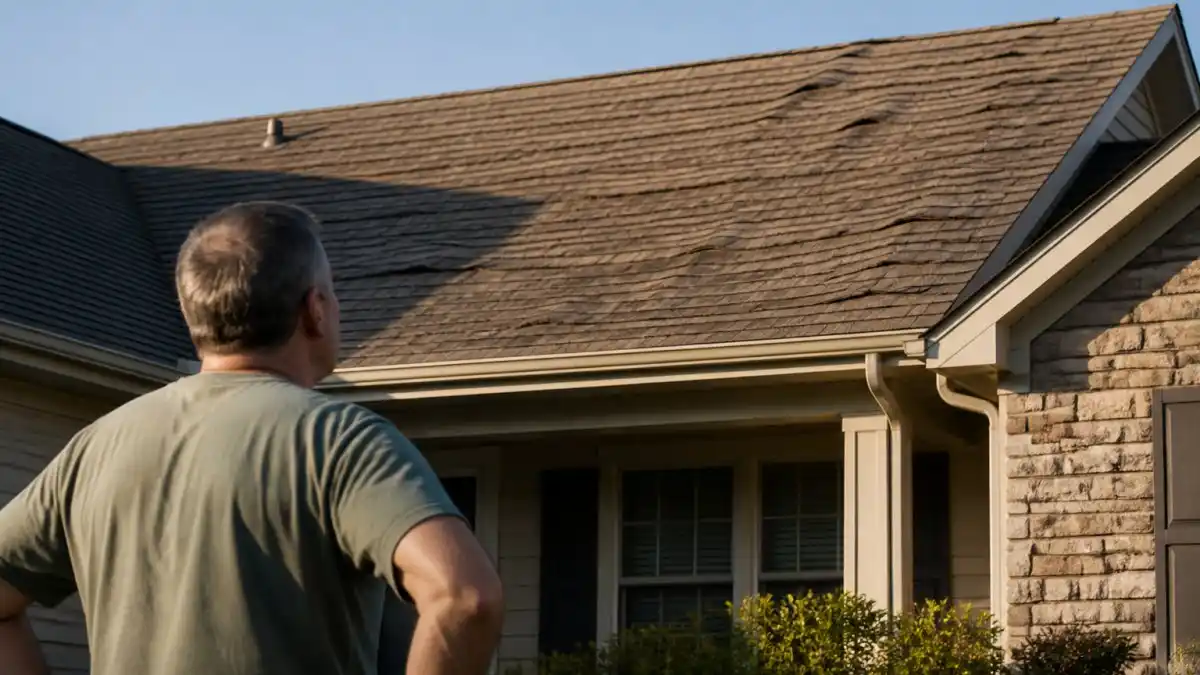
You don’t need a ladder to catch most signs of a bad roofing job. Stand on your lawn, walk the perimeter, and look up with the sun at your back. Straight lines should look straight. Rows should look even.
Crooked, Wavy, and Lifted Shingles
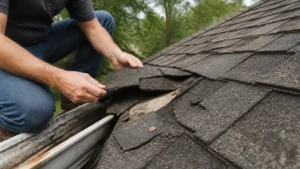
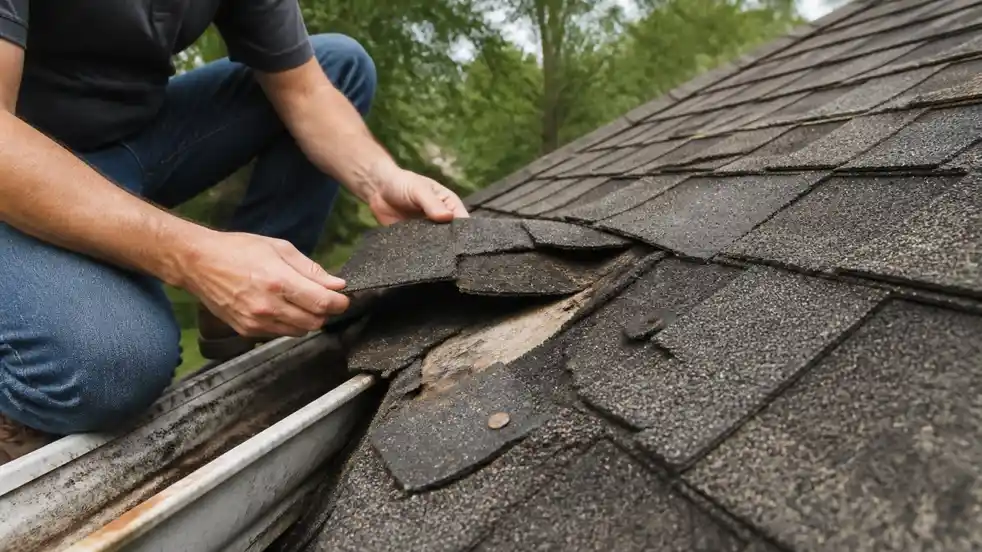
Misaligned shingles are the clearest early warning. A quality roofing job produces straight, parallel courses with consistent exposure between rows. Crooked shingles, uneven appearance, or a wavy roof surface usually mean the crew rushed the layout or skipped chalk lines. Lifted and loose shingles point to improper nailing or missing sealant strips. Missing shingles after the first moderate wind are a red flag that the roofing materials were never secured to spec.
Some waviness is seasonal rather than a sign of poor work. Shingles can look wavy during colder months and should settle down as the weather warms in spring, so mild unevenness over the winter is not automatically a red flag. If the waviness has not cleared up by spring, call your contractor. Waviness can also come from structural or framing issues in the roof deck itself rather than the installation, and it often looks more pronounced when the sun is low, such as in the early morning or evening, because of the shadows that angle creates. There is one distinction worth making: waviness that does not flatten out and traces back to crooked courses from skipped chalk lines is a workmanship issue, not cold-weather settling, and those shingles typically need to be removed and replaced rather than waited out.
Gaps, Exposed Edges, and Poorly Finished Details
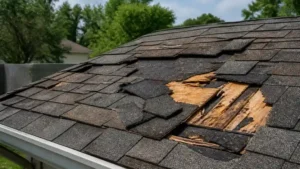
Gaps between shingles or at roof joints let water in before you ever see a ceiling stain. Exposed edges, ragged cuts along the rake, and sloppy sealant work are visible defects that signal a rushed roofing job. Check the ridge line and the eaves. A finished edge should look deliberate, not improvised.
Poor Roof Flashing Installation Around Chimneys and Vents
Poor roof flashing installation is the single most common cause of new-roof leaks. Flashing is the metal that seals the roof where it meets a chimney, vent pipe, skylight, or wall. Loose flashing, exposed flashing, or flashing sealed with caulk instead of properly stepped into the shingles will fail. Water intrusion at these points shows up as damp spots around the chimney on the ceiling below.
New Roof Leaking After Installation: What It Means
A new roof leaking after installation means something in the installation failed, not that the roof is “settling in.” Water intrusion after a fresh install points to flashing, underlayment, or fastener problems. Ceiling stains, mold, mildew, or rotting wood near the leak are signs water has been entering for a while. If repairs are needed, it helps to understand what a repair typically involves before you confront anyone.
How to Inspect a New Roof Safely and Document Defects
Most signs of poor quality roof installation can be confirmed without ever leaving the ground, and that is exactly how you should approach it. A newly installed roof can hide soft decking, loose fasteners, or compromised underlayment, and a fall from even a single-story roof is a serious injury. Treat the roof surface as off-limits and work through the checks below in order.
Step 1: The Ground-Level Walk-Around
Walk the full perimeter of the house on a clear day with the sun at your back so shadows fall across the roof plane. From each corner, look for:
- Rows that wander instead of running parallel to the eave.
- Shingle tabs that lift, flutter, or sit proud of their neighbors.
- Dark or light patches that suggest missing granules or exposed underlayment.
Binoculars are genuinely useful here, a 7x to 10x pair lets you read shingle edges, nail lines, and flashing details from the driveway without climbing. Take photos at each corner so you have a consistent before-and-after record.
Some waviness in the shingles during winter months is common, and it often settles once the weather warms up in spring. This is not necessarily a sign of poor workmanship. If the waviness has not cleared up by spring, call the contractor. Shingle waviness can also come from structural or framing issues in the home itself, not just the installation. This kind of waviness can look more pronounced at certain times of day, such as when the sun is low in the morning or evening, so do not judge it from a single glance. There is an important distinction, though: waviness that does not flatten out and that traces back to the installer not following the chalk lines, so the shingle courses run crooked instead of straight, is a workmanship issue rather than normal cold weather settling. In that case, the affected shingles typically need to be removed and replaced rather than waited out.
Step 2: The Attic Check
From inside the attic, bring a bright flashlight and look for:
- Daylight showing through the roof deck (a sign of missing or displaced shingles or fasteners).
- Water stains, tide lines, or damp sheathing, especially around chimneys, vents, and valleys.
- Rusted or backed-out nails, which point to improper fastening or overdriven nails.
Do not disturb insulation or step off the joists. If the attic is hot, cramped, or has questionable wiring, stop and call a professional.
Schedule An Appointment Today →
Step 3: Document Everything the Same Way Every Time
A dispute over workmanship is won or lost on documentation. Build a simple file:
- Photograph each defect from the ground and, where possible, from the attic, with the date and time stamp enabled on your phone.
- Note the location of each defect (for example, “north slope, second course above the gutter, three lifted tabs”).
- Keep a written log of when you first noticed each issue and how it changed after rain or wind.
Photograph the same defect after a heavy rain and again two weeks later. A defect that grows or reappears is far stronger evidence than a single snapshot.
Step 4: Notify in Writing and Escalate in Order
Call the installer, but follow up in writing, email or certified letter, describing each defect, attaching your photos, and requesting a written response within a reasonable window. Reference the manufacturer’s installation instructions and your contract’s workmanship clause. If the installer does not respond or disputes the findings, request an independent inspection from a licensed roofer who did not perform the original work, and keep that report with your file.
If you want a professional to verify what you’re seeing, a professional can explain what an inspection covers before you book one.
Never sign a release, accept a verbal “we’ll take care of it,” or allow a repair crew back on the roof before you have the defects documented and the scope of the fix in writing.
Settling Versus Workmanship Defects: Telling Them Apart
A new roof does move. Asphalt shingles soften in summer heat and stiffen in winter cold, decking expands and contracts with humidity, and fasteners seat slightly under load. That normal movement is small, gradual, and, critically, it does not create new gaps, lifted tabs, or water entry. Workmanship defects behave differently: they appear early, they persist or worsen, and they cluster around the details a crew rushed.
Shingle waviness that shows up during the colder months is often part of this same normal movement. Cold temperatures can stiffen asphalt shingles and make minor waves more noticeable, and the waviness typically settles on its own as the weather warms in spring. If it has not cleared up by spring, call your contractor. Waviness can also come from structural or framing issues in the roof deck itself rather than installation quality, and it tends to look more pronounced at certain times of day, such as when the sun is low in the morning or evening and casts long shadows across the slope.
There is an exception worth knowing. If the waviness does not flatten out as the weather warms and the shingle courses are not running straight, the cause is usually the installer failing to follow the chalk lines during installation, not seasonal movement. That is a workmanship defect, not settling, and the affected shingles typically need to be removed and replaced rather than waited out.
A Practical Timeline
- First 30 days: Minor granule loss in gutters is normal. Lifted tabs, visible nail heads, or water stains are not. Any leak in the first month points to installation, not settling.
- First seasonal cycle (roughly 6-12 months): Slight surface waviness that comes and goes with temperature is common. Waviness that stays put, or that follows a straight line across the roof, usually traces to decking, underlayment, or fastening.
- After the first full year: A roof that is still shedding shingles, showing lifted or curled tabs, or leaking at flashing has a workmanship problem, not a settling problem.
A seasonal note on waviness: during winter, cold temperatures can make shingles look wavier than they will once the weather warms. In most cases this settles on its own as temperatures rise in spring. If the waviness has not cleared up by then, call the contractor and have it inspected. Waviness that does not flatten out and traces to shingle courses that are not straight, meaning the installer did not follow the chalk lines, is a workmanship issue rather than cold-weather settling. Shingles affected this way typically need to be removed and replaced rather than waited out.
Waviness that persists across seasons is not always a workmanship issue, it can also point to a structural or framing problem in the roof deck itself. This kind of waviness often looks more pronounced at certain times of day, such as early morning or evening when the sun sits low, because the raking light exaggerates shadows on the surface.
Diagnostic Questions to Ask
- Does the defect move with the weather, or is it fixed in place? Movement that tracks temperature is usually benign; a defect that stays in the same spot is not.
- Is it isolated or patterned? A single lifted tab may be a stray nail. A row of lifted tabs, or lifted tabs along one slope, points to a fastening or sealing pattern problem.
- Is it at a detail or in the field? Defects at chimneys, valleys, vents, and rake edges are almost always installation-related. Field defects are more likely to involve materials or ventilation.
- Did it appear after wind or rain? Shingles that lift after a moderate wind were not sealed or fastened to spec.
- Is there water evidence? Any staining, damp sheathing, or daylight in the attic overrides the settling question entirely, treat it as an active defect.
Roof-Type-Specific Warning Signs
Most visible examples focus on asphalt shingles, but other roof types fail differently:
- Tile roofs: Cracked or chipped tiles, tiles that slide out of line, and broken pieces in the gutters often mean the crew walked or stacked materials improperly. Look for exposed underlayment at the ridge and eaves.
- Metal roofs: Loose or missing fasteners, panels that oil-can or ripple, and exposed sealant at seams and penetrations are common installation defects. Fastener back-out and panel movement are not normal settling.
- Flat and low-slope roofs: Ponding water that lasts more than 48 hours after rain, blisters, open seams, and wrinkles in the membrane point to installation or drainage problems, not settling.
If a defect is patterned, persistent, at a detail, or accompanied by water evidence, treat it as a workmanship issue and document it, do not wait for it to “settle in.”
If you’re unsure whether a problem signals a full replacement, this guide on signs you need roof replacement helps clarify the difference between a workmanship fix and a roof at the end of its life.
Normal settling is small and gradual, while workmanship defects appear early and persist, here is how the two compare over time.
| Timeframe | Normal settling | Workmanship defect |
|---|---|---|
| First 30 days | Minor granule loss in gutters | Lifted tabs, visible nail heads, water stains, any leak |
| First seasonal cycle (roughly 6-12 months) | Slight surface waviness that comes and goes with temperature | Waviness that stays put or follows a straight line |
| After the first full year | No new gaps, lifted tabs, or water entry | Shedding shingles, lifted or curled tabs, leaking at flashing |
Schedule a Professional Roof Inspection With Covenant Roofing & Restoration
If you’ve spotted any of these signs of poor quality roof installation, don’t wait for the next storm to confirm it. Covenant Roofing & Restoration is a licensed Tennessee building contractor and GAF factory-certified company. We provide honest roof inspections, document every defect, and help homeowners navigate insurance claims when storm damage is involved. If replacement turns out to be the answer, we can provide you with local pricing context before you decide.
Frequently Asked Questions
How can you tell if a roof was installed incorrectly?
Look for crooked or misaligned shingle rows, lifted or missing shingles, wavy roof surfaces, and gaps around flashing at chimneys and vents. Check gutters for granules and watch for ceiling stains after rain. Any one of these signs of poor quality roof installation is worth a professional roof inspection, because visible defects often point to bigger problems underneath the roofing materials.
Does shingle waviness always mean poor installation?
Not always. Some shingle waviness during winter months is common and should settle as the weather warms up in spring, so it is not necessarily a sign of poor workmanship. If the waviness has not cleared up by spring, call your contractor for an inspection. Waviness that does not flatten out and lines up with crooked, out-of-line shingle courses usually means the installer did not follow the chalk lines during installation. That is a workmanship issue, not cold-weather settling, and the affected shingles typically need to be removed and replaced rather than left to resolve on their own. Waviness can also come from structural or framing issues with the home itself, not just the roofing work, and it often looks more pronounced at certain times of day, such as when the sun is low in the morning or evening.
Can poor roof installation cause leaks?
Yes. Poor roof flashing installation and improperly secured shingles are two of the most common causes of water intrusion on a new roof. Water finds gaps at roof joints, chimney seams, and vents, then travels along the decking before showing up as ceiling stains. If you notice a new roof leaking after installation, document the leak with photos and contact your roofing contractor before the damage spreads to insulation and drywall.
What should you do if you find problems after a roof replacement?
Photograph each defect, note the date and weather conditions, and review your contract and manufacturer warranty before calling the contractor. Send a written notice describing the issues and request an inspection. If the contractor does not respond, a licensed Tennessee building contractor can perform an independent roof inspection and document findings for a warranty claim or dispute.
How soon should roofing problems appear after installation?
Workmanship defects like lifted shingles, open seams, or flashing gaps usually show up within the first few heavy rains, often within weeks. Some issues, such as granule loss or minor settling, can take a season to become visible. A new roof leaking after installation within the first year is almost always a workmanship or material issue, not normal wear, so document it and request a contractor inspection right away.
A leaking or visibly defective roof won’t fix itself, and the cost of waiting grows with every rain. Covenant Roofing & Restoration offers licensed workmanship, GAF factory certification, insurance claim expertise, and clear communication from inspection through completion. Get started with Covenant Roofing & Restoration and protect your home with a roof you can trust.