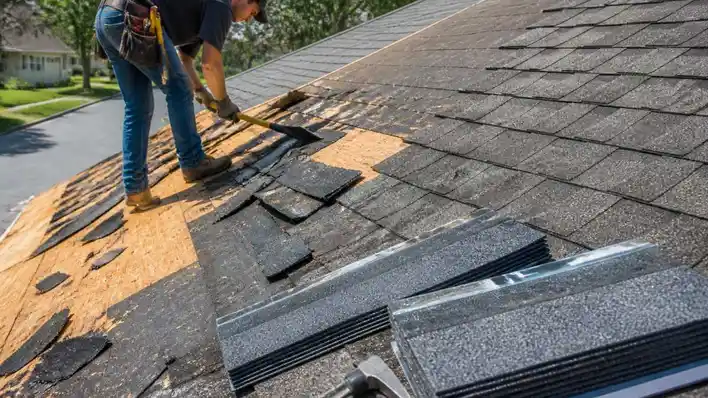
Table of Contents
- 1. Missing, Cracked, or Curling Shingles
- 2. Granule Loss and Shingle Deterioration
- 3. Leaks, Water Stains, and Recurring Water Intrusion
- 4. What’s the Average Lifespan of a Roof?
- 5. Signs of Storm Damage on Your Roof
- 6. Moss, Algae, and Sagging: When Growth Becomes Structural
- 7. Roof Repair vs Replacement Cost: Making the Call
- Frequently Asked Questions
Last Updated: October 6, 2026
1. Missing, Cracked, or Curling Shingles
The clearest sign you need roof replacement is shingles that are missing, cracked, or curling at the edges. When asphalt shingles curl upward or snap off entirely, the protective layer that shields your roof decking is gone, and water can move straight into the structure below.
Here’s how to read what you’re seeing:
- Curling edges usually mean the shingles have dried out past their useful life.
- Cracked or split shingles often follow temperature swings that stress aged asphalt.
- Missing shingles leave underlayment exposed, and that exposure spreads fast after wind.
You can spot all three from the ground with binoculars. That’s the safe way to check. If you need a closer look, that’s a job for a professional, not a ladder.
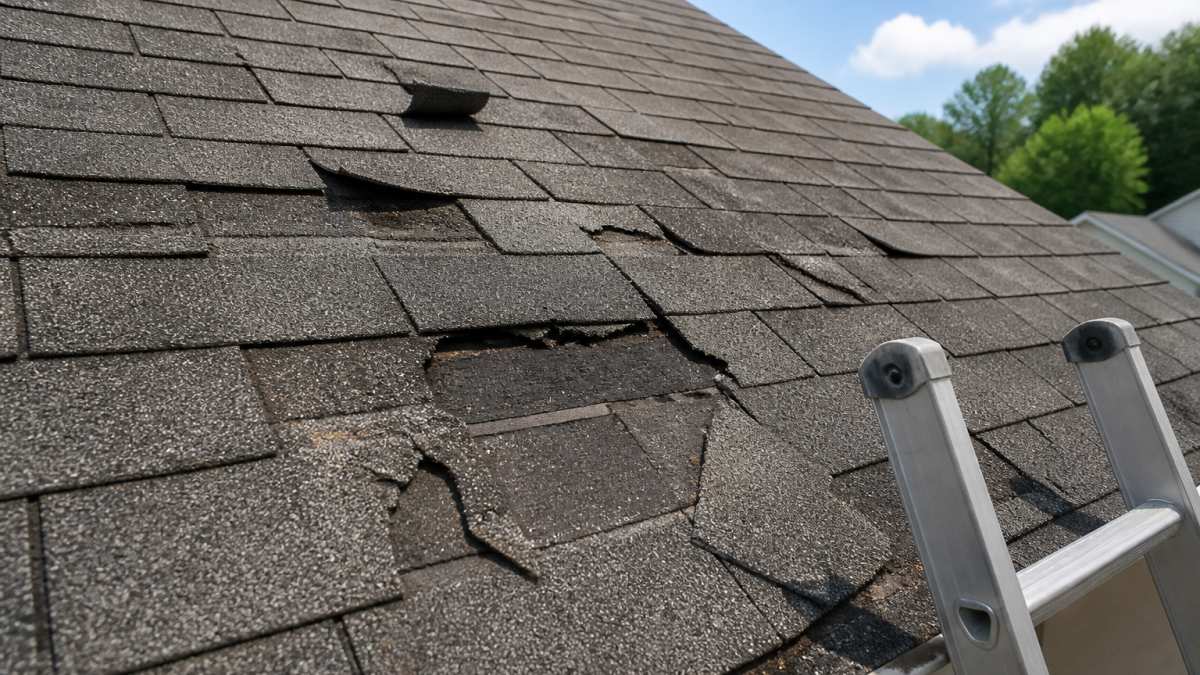
At Covenant Roofing & Restoration, we see this pattern most often on roofs past the 15-year mark. Curling shingles are rarely a one-spot problem. Once they show up, they tend to appear across the whole slope.
2. Granule Loss and Shingle Deterioration
Granule loss is the quiet warning sign homeowners miss. Those sand-like bits in your gutters aren’t dirt. They’re the mineral coating that protects asphalt shingles from sun and rain, and once it’s gone, the shingle is running on borrowed time.
A simple test: check your gutters and the base of your downspouts after a rain. Heavy granule accumulation means the shingles are shedding their surface. Bald spots on the roof itself confirm it.
Shingle deterioration rarely reverses. The Asphalt Roofing Manufacturers Association guidance on roof maintenance notes that once granules are lost, the shingle’s UV resistance drops and aging accelerates. In practice, this means a roof losing granules in year 12 will often need replacement well before its rated lifespan.
Ignoring granule loss is a common mistake. By the time bald spots are visible, the shingles are already failing, and the next hail storm can turn a repair into a full replacement.
3. Leaks, Water Stains, and Recurring Water Intrusion
Water stains on your ceiling or walls mean water is already inside the house. That’s past the point of “watch and wait.” A leak is the most urgent sign you need roof replacement, especially when it keeps coming back.
Watch for these:
- Brown or yellow rings on ceilings and upper walls
- Peeling paint or bubbling drywall near the roofline
- Dark streaks in the attic or along rafters
- A musty smell after rain
Recurring leaks are the tell. One leak can come from a failed flashing or a worn vent boot, both of which are repairable. The same spot leaking again after a repair usually means the roofing system around it has failed.
If you’re in Greene County and not right in Greeneville, we still service your area. Our team handles both emergency repairs and full roof replacement, and we can help document the damage for your insurance claim.
4. What’s the Average Lifespan of a Roof?
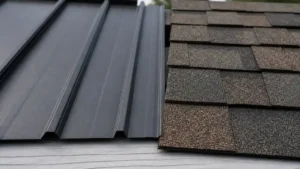
“Old” means something different depending on what’s on your house. Most asphalt shingle roofs last 15 to 25 years, metal roofing systems commonly last 40 to 70 years, and tile or slate can exceed 50 years.
| Roof Material | Typical Lifespan | How It Fails | Warning Signs to Watch |
|---|---|---|---|
| 3-tab asphalt shingle | 15-20 years | Asphalt dries out and the mat cracks; granules shed | Curling, granule loss, bald spots, exposed mat |
| Architectural asphalt shingle | 20-30 years | Heavier mat resists curling longer, but sealant strips fail and wind lifts tabs | Cracking, missing shingles, lifted tabs, leaks |
| Metal roofing | 40-70 years | Fasteners back out and sealant at penetrations dries; rust starts at cut edges | Loose fasteners, rust streaks, sealant failure, oil-canning |
| Tile or slate | 50+ years | Tile itself outlasts the underlayment beneath it | Cracked tiles, slipped tiles, failing underlayment, interior leaks |
The mechanism matters more than the number. Asphalt shingles fail from the top down: UV breaks down the asphalt, granules wash away, and the fiberglass mat becomes brittle. Metal fails from the fasteners and seams inward.
Two factors quietly shorten any roof’s life:
- Ventilation. A hot, humid attic cooks shingles from below and traps moisture in the decking. The National Roofing Contractors Association on roof system components notes that lifespan depends on the whole roof assembly, not just the surface. If your attic runs hot in summer or you see frost on the roof deck in winter, your roof is aging faster than its calendar suggests.
- Underlayment. This is the real waterproofing layer. Shingles shed most water, but the underlayment catches what gets past them. Once it dries out or tears, leaks appear even on shingles that look fine.
Age alone doesn’t decide it. A 20-year-old architectural shingle roof with good ventilation and intact flashing may have years left. A 12-year-old roof with recurring leaks, soft decking, or a hot attic does not. Use the table above to set expectations, then let condition, not the calendar, drive the decision.
5. Signs of Storm Damage on Your Roof
Signs of storm damage on a roof show up as bruised or dented shingles, granule loss in concentrated patches, and shingles lifted or torn by wind. Hail storms and high winds are the two biggest culprits in this part of the country.
Schedule An Appointment Today →
After a storm, look for:
- Dents or soft spots on shingles, which signal hail damage
- Shingles peeled back or missing on one slope
- Granules piled at downspout outlets
- Dented gutters, vents, or flashing
Hail damage is tricky because it often isn’t visible from the ground. The impact bruises the shingle from above while the damage sits underneath. That’s why a professional inspection after a storm matters. It also gives you documentation for an insurance claim, and we handle that part directly with your adjuster.
Photograph everything after a storm: the roof from the ground, the gutters, and any interior stains. Timestamped photos make insurance claims far smoother, and they protect you if the adjuster’s timeline drags.
6. Moss, Algae, and Sagging: When Growth Becomes Structural
Moss and algae growth is mostly a cosmetic problem until it isn’t. Moss holds moisture against the shingles, and that trapped water breaks down the roofing system underneath. Algae streaks are uglier than they are harmful, but they signal shade and moisture that feed bigger problems.
Sagging is different. A sagging roofline or a dip in the roof structure means the decking or framing is compromised, and that’s a structural concern, not a maintenance item. Look for:
- A visible dip or curve along the roofline
- Ceiling sagging in the attic
- Doors or windows that suddenly stick near the top floor
If you see sagging, stop climbing and call a professional. This is one of the few signs that can put your safety at risk.
7. Roof Repair vs Replacement Cost: Making the Call
Roof repair vs replacement cost comes down to one question: is the problem isolated, or is it the whole system? A single failed flashing is a repair. Widespread shingle deterioration, recurring leaks, or storm damage across multiple slopes point to replacement. But the honest answer depends on three variables, damage extent, recurrence, and roof age, and those three variables form a decision framework you can apply yourself before you ever call a contractor.
The three-variable framework
Ask three questions in order:
- How much of the roof is affected? One slope, one penetration, or one valley is usually a repair. Damage on 30% or more of the roof, or on multiple slopes, tips toward replacement.
- Has the problem come back? A leak that returns in the same spot after a repair means the surrounding system has failed, not just the spot. Recurrence is the strongest replacement signal there is.
- How old is the roof relative to its material lifespan? A 10-year-old architectural shingle roof with one leak is a repair candidate. A 22-year-old roof with the same leak is not, you’d be patching a system that’s already at the end of its service life.
| Scenario | Likely Call | Why |
|---|---|---|
| One cracked flashing, roof under 15 years old | Repair | Isolated component failure |
| Recurring leak in the same area | Replacement | System-level failure |
| Damage across 30%+ of the roof | Replacement | Too much surface to patch economically |
| Sagging, mold, or soft decking | Replacement (inspect now) | Structural compromise |
| Roof past its material lifespan, no leaks yet | Replacement planning | You’re on borrowed time |
What you can safely check from the ground
You do not need to climb your roof to gather useful information. From the ground, with binoculars, you can safely assess:
- Missing, curled, or lifted shingles on visible slopes
- Granule piles at downspout outlets
- Sagging along the roofline
- Dented gutters, vents, or flashing after a storm
- Interior ceiling and attic stains (from inside, with a flashlight)
What you should not do: walk a steep or wet roof, step on visibly damaged shingles, or probe soft decking from above. Falls are the leading cause of serious injury in residential roofing work, and a homeowner inspection is not worth the risk. If you need a closer look, that’s a professional’s job.
What happens after a professional inspection
A thorough inspection is more than a walk-around. Expect the inspector to:
- Document each slope with photos, including close-ups of damage
- Check flashing, boots, valleys, and penetrations, not just the shingle field
- Look at attic ventilation, decking, and any interior staining
- Measure the affected area so repair and replacement options can be compared honestly
- Give you a written recommendation with the reasoning, not just a verdict
If a contractor recommends full replacement, ask them to show you the photos and explain why repair won’t work. A trustworthy roofer will walk you through the evidence. If they won’t, get a second opinion, most reputable companies offer free inspections, and the cost of a second look is far less than the cost of an unnecessary replacement.
We don’t quote prices over the phone, because the honest answer depends on your roof’s size, pitch, material, and whether the decking underneath is sound. What we can tell you is that delaying replacement rarely saves money. Water damage spreads into decking, insulation, and drywall, and those repairs add up fast.
The single most useful rule: repair the spot, replace the system. If the same problem keeps returning, you’re repairing a symptom, not the cause.
Frequently Asked Questions
What are five signs that my roof needs to be replaced?
The five most reliable indicators are missing, cracked, or curling shingles; granule loss that leaves bald spots on shingles; water stains on ceilings or walls from recurring leaks; a roof age past its expected lifespan for its material; and sagging rooflines or soft spots in the roof decking. Any one of these warrants a professional inspection, and two or more together usually point toward full roof replacement rather than another repair.
Is it better to repair or replace a damaged roof?
Repair makes sense when damage is isolated, such as a few missing shingles after a wind storm, and the roof is under 15 years old with no history of leaks. Replacement is the better call when damage covers more than 30 percent of the roof, leaks keep returning after repairs, or the roof is near the end of its average lifespan. A professional inspection with photos and a written assessment helps you compare roof repair vs replacement cost with real numbers instead of guesswork.
What is the average lifespan of a roof?
Asphalt shingles typically last 15 to 30 years depending on quality and ventilation. Metal roofing often reaches 40 to 70 years, while tile and slate can exceed 50 years with proper maintenance. Climate matters too: hail storms, high winds, and intense sun in East Tennessee shorten shingle life. Once your roof passes the midpoint of its expected lifespan and starts showing multiple warning signs at once, replacement planning should begin.
How does the age of a roof affect the decision to replace it?
Age alone rarely justifies replacement, but it changes how you weigh every other sign. A 12-year-old roof with one leak is usually worth repairing. A 22-year-old roof with the same leak, plus granule loss and curling shingles, is a replacement waiting to happen. When your roof is past 75 percent of its expected lifespan, repairs become temporary fixes, and putting money toward a new roof often costs less over the next five years.