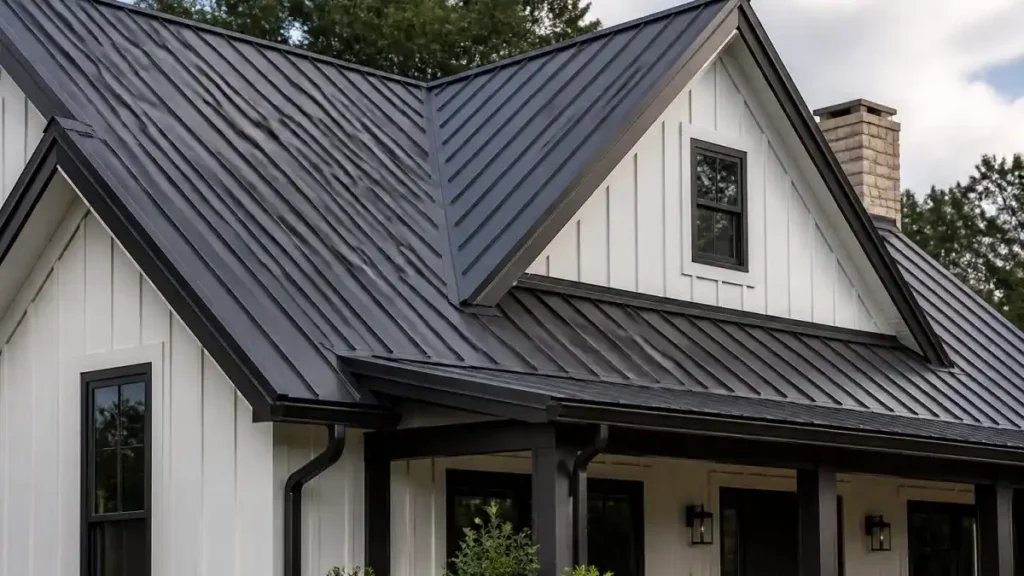
Table of Contents
- Why Metal Roof Installation Deserves a Closer Look
- Metal Roof Pros and Cons: The Honest Trade-Offs
- Metal Roof vs Asphalt Shingles: A Side-by-Side Comparison
- Metal Roof Lifespan: How Long It Actually Lasts
- Weather Resistance, Fire Safety, and Energy Efficiency
- Metal Roof Installation Cost and Long-Term Value
- Maintenance, Materials, and Choosing the Right Contractor
- Frequently Asked Questions
Last Updated: October 21, 2026
Why Metal Roof Installation Deserves a Closer Look
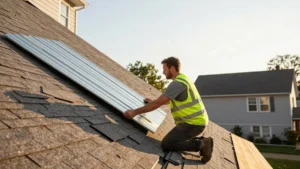
Metal roof installation is the process of fitting a home with interlocking steel or aluminum panels designed to shed water, resist wind uplift, and reflect solar heat for decades. At Covenant Roofing & Restoration, we install both shingle and metal systems.
The case starts with longevity. A metal roof lifespan typically runs 40-70 years, compared with roughly 15-25 years for a standard asphalt shingle roof. That gap changes the math on everything else, from repeat labor costs to how often you climb a ladder.
Here is the honest framing: metal roofing is a long-term value play, not a cheap fix. Below, we break down the metal roof pros and cons, compare it against asphalt shingles, and explain what installation actually involves so you can decide with clear eyes.
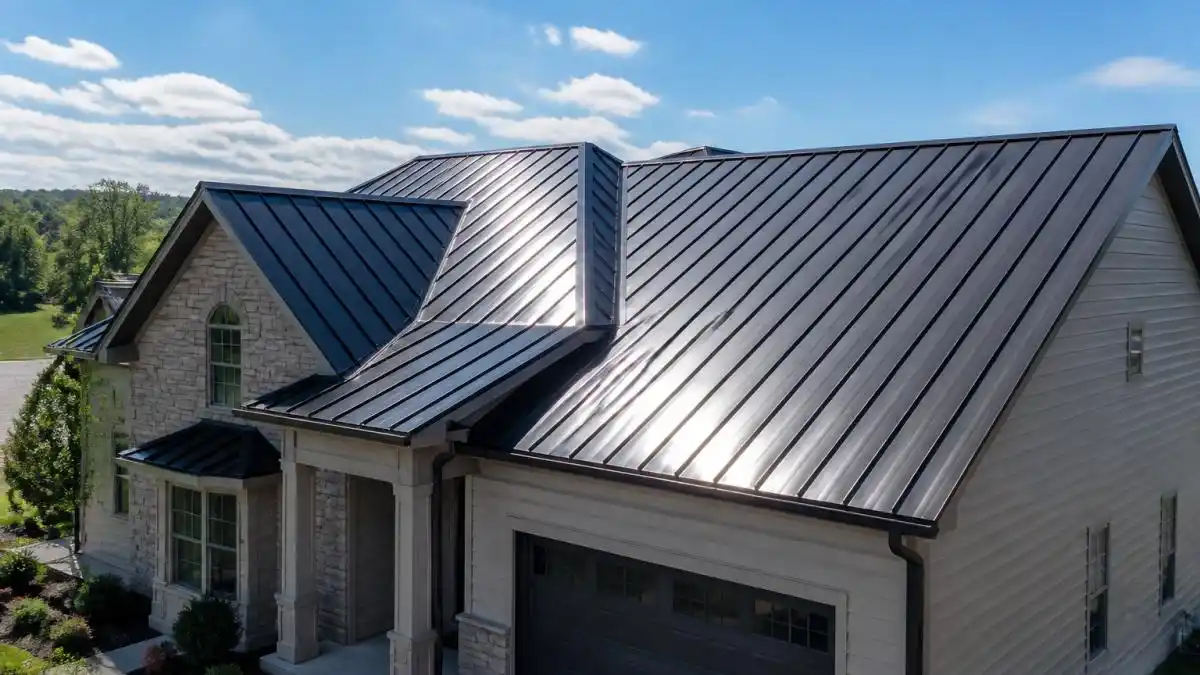
Metal roofing’s core advantage is time: you buy one roof instead of two or three. The catch is that you pay more upfront for that durability.
Metal Roof Pros and Cons: The Honest Trade-Offs
Most guides sell metal roofing or bury it. We would rather show you both sides, because the right choice depends on your house, your climate, and your budget.
Where Metal Roofing Wins
The strongest arguments for metal roofing stack up quickly:
- Durability and lifespan. Steel and aluminum panels resist corrosion and hold up far longer than shingles.
- Weather resistance. Metal sheds heavy rain, snow, and hail better than most roofing materials, and standing seam panels resist wind uplift.
- Fire resistance. Metal is noncombustible, which matters for homeowner safety in wildfire-prone areas.
- Energy efficiency. Reflective panels and cool roof coatings send solar heat back instead of absorbing it, which can ease summer energy costs.
- Low maintenance. There are no granules to wash off and no shingles to curl.
- Environmental benefits. Metal is recyclable, so an old roof can re-enter the supply stream at end of life.
- Noise reduction. With proper decking and insulation, sound insulation is far better than the old “rain on a tin can” reputation suggests.
Where It Falls Short
Honest downsides exist, and you should hear them before you sign anything:
- Higher upfront cost. Metal roofing costs more per square than asphalt shingles, and that gap is real.
- Installation skill matters. Poorly installed panels leak at seams and fasteners. Professional installation is not optional.
- Denting risk. Aluminum panels can dent under large hail, though steel offers more impact resistance.
- Noise without insulation. Skip the underlayment and insulation, and rain will be loud.
A cheap install with exposed fasteners and no proper underlayment will leak within a few seasons, wiping out the savings you thought you captured.
Metal Roof vs Asphalt Shingles: A Side-by-Side Comparison
The metal roof vs asphalt shingles decision comes down to lifespan, cost, and maintenance, and the trade-offs are clearer in a table than in prose.
| Factor | Metal Roof | Asphalt Shingles |
|---|---|---|
| Lifespan | 40-70 years | 15-25 years |
| Upfront cost | Higher | Lower |
| Maintenance | Low | Moderate |
| Weather resistance | High (wind, hail, snow) | Moderate |
| Fire resistance | Noncombustible | Combustible |
| Energy efficiency | Reflective, cool roof options | Limited |
| Recyclability | High | Low |
| Best for | Long-term homeowners | Short-term budgets |
Asphalt wins on upfront price and familiarity. Metal wins on long-term value, weather resistance, and sustainability. If you plan to stay in your home for decades, the metal roof vs asphalt shingles math tilts toward metal.
Metal Roof Lifespan: How Long It Actually Lasts
A metal roof lifespan of 40-70 years is the standard range, and the variables that move you up or down that range are predictable. Panel material is the biggest factor: steel and aluminum resist corrosion far better than lower-grade options, and coatings add years of protection.
Installation quality matters just as much. Panels fastened correctly, with proper underlayment and flashing, hit the top of that range. Panels installed in a hurry do not.
Maintenance requirements are modest but not zero. Clear debris from valleys, check fasteners and sealant on exposed-fastener systems, and inspect after major hail events. That routine is what separates a 40-year roof from a 25-year one.
For homeowners weighing roof replacement, lifespan is the single most useful number in the whole decision. It is the reason metal roofing is often described as cost-effective over time.
Weather Resistance, Fire Safety, and Energy Efficiency
Three performance areas deserve their own look, because they are where metal roofing separates from traditional roofing materials.
Weather resistance. Standing seam panels interlock and hide fasteners, which improves wind resistance and reduces leak points. Metal handles heavy rain and snow shedding well, and impact resistance is strong on steel panels. Extreme weather is where the difference shows.
Fire resistance. Metal will not ignite. In areas with wildfire exposure, that is a homeowner safety point that shingles cannot match.
Energy efficiency. Cool roof coatings and reflective finishes reduce heat absorption, which can lower attic temperatures and ease energy costs. The savings vary by climate and insulation, so treat them as a bonus rather than a guarantee. The U.S. Department of Energy cool roof guidance explains how reflective roofing works and where it pays off.
Schedule An Appointment Today →
If summer heat is your main concern, ask your contractor about cool roof rated panels with a high solar reflectance finish. The coating, not just the metal, is what drives heat reflection.
Metal Roof Installation Cost and Long-Term Value
Metal roof installation cost is the question homeowners ask first. We will not pretend a single number fits every house, but we can break down what actually drives the price so you can read an estimate with clear eyes.
What drives upfront cost. Four variables account for most of the spread between quotes:
- Material and panel type. Standing seam steel sits at the top of the residential range; exposed-fastener panels and stone-coated steel sit lower; copper and zinc sit highest. Coating upgrades (cool roof finishes, premium paint systems) add cost but extend service life.
- Roof size and complexity. Square footage is the base unit, but hips, valleys, dormers, skylights, and multiple roof planes add labor and waste. A simple gable roof is the cheapest geometry to cover.
- Labor and access. Steep pitch, multi-story homes, and limited access raise labor. Metal panels are long and awkward to handle, so crew experience matters and shows up in the bid.
- Removal and disposal. Tear-off of the existing roof, disposal fees, and decking repair are separate line items. Some homes can take an overlay, but that decision depends on local code and the condition of the existing deck.
How to read the lifecycle math. The value case is not that metal is cheap, it is that you buy one roof instead of two or three. A metal roof that reaches the 40-70 year range may outlast multiple asphalt roofs, and each avoided replacement carries its own tear-off, disposal, and labor costs. Long-term savings come from avoided replacements and lower maintenance, not from a dramatic drop in energy bills. Treat any energy-savings claim as a bonus that varies by climate, attic insulation, and coating performance.
Where metal loses on cost. If you plan to sell in a few years, or your budget is tight, asphalt shingles remain a reasonable choice. Metal is a roofing investment, and investments need a holding period. Ask your contractor for a written estimate that separates material, labor, tear-off, and disposal so you can compare bids on equal terms.
The honest cost framing: metal costs more upfront, and the payback comes from avoided replacements and lower maintenance over decades, not from a single dramatic line item.
For current pricing on your specific roof, the FTC’s guidance on home improvement contracts is worth reading before you sign anything, and our team can walk you through a written estimate.
Maintenance, Materials, and Choosing the Right Contractor
Metal roof types fall into a few families. Standing seam panels hide fasteners under raised seams, which improves wind and rain performance and reduces leak points. Exposed-fastener panels cost less but rely on washers and sealant that need periodic inspection. Stone-coated steel mimics shingle or tile while keeping metal’s durability, and copper or zinc offer premium longevity with their own patina and cost profile.
Performance caveats to plan for. Metal expands and contracts with temperature, so fasteners and sealants on exposed-fastener systems deserve periodic checks. Corrosion risk depends on the metal and the environment, and coating wear is the slow variable that separates a 40-year roof from a 25-year one. Clear debris from valleys, inspect after major hail events, and address small issues before they become leaks. That routine is modest but not zero.
Installation process and timeline. A typical metal roof project starts with an inspection and written scope, then moves to tear-off or overlay, decking repair, underlayment, flashing, panel layout, and fastener torque. Expect the household disruption to last days to a couple of weeks depending on roof size and complexity, and ask how the crew will protect landscaping and manage noise. Shortcuts in flashing and underlayment show up as leaks years later, which is why installation skill is not optional.
Choosing the right contractor. Matching material to your home and climate is where a roofing contractor earns their keep. A practical checklist before you hire:
- Confirm the contractor is licensed and insured
- Ask for the manufacturer certification (we are GAF factory certified)
- Get a written scope covering underlayment, flashing, and fasteners
- Ask how warranty claims are handled
- Request a timeline and communication plan in writing
At Covenant Roofing & Restoration, we are a licensed Tennessee building contractor, and we handle both shingle and metal systems. We also help homeowners navigate insurance claims when storm damage is involved. One customer, KACIELIZ1, noted that Garrett “was so kind to come out and help me with an emergency before the rain picked up.” That kind of responsiveness is what a roof installation should feel like.
Frequently Asked Questions
What are the cons of having a metal roof?
The main drawbacks are upfront cost and noise. Metal roofing typically costs more to install than asphalt shingles, though it lasts far longer. Rain and hail can be louder without proper insulation or solid sheathing. Some homeowners also dislike the look, and certain panels can dent under heavy hail. Expansion and contraction may loosen fasteners on exposed-panel systems over time. None of these are dealbreakers, but they are worth weighing against the lifespan and energy benefits before you commit.
How long does a metal roof last compared to asphalt shingles?
A metal roof lifespan generally runs 40 to 70 years, depending on the material and coating. Standing seam steel with a quality finish sits at the top of that range. Asphalt shingles typically last 15 to 25 years before needing replacement. That gap matters: over a 50-year span, a homeowner may replace asphalt shingles twice while a metal roof keeps performing. Ask your roofing contractor about the specific warranty on panels and finishes, since coverage varies by manufacturer.
Can a metal roof improve energy efficiency?
It can, especially with reflective coatings. Metal roofs reflect solar heat rather than absorbing it, which can lower attic temperatures and reduce cooling costs in summer. The benefit depends on your roof color, coating, and insulation. A cool roof rating matters more than the metal itself. Pairing metal panels with proper attic ventilation and insulation delivers the best results. Ask your contractor to explain how the panels and underlayment work together to keep heat out of your home.
Does a metal roof make a house noisier when it rains?
Not when it is installed correctly. Metal roofing over solid sheathing and underlayment dampens sound effectively, and most homeowners report rain noise similar to or quieter than asphalt shingles. The noise complaints usually come from panels installed over open framing or old purlins without insulation. If quiet is a priority, ask your roofing contractor to confirm solid decking and a sound-dampening underlayment are part of the installation. Proper installation benefits include noise reduction, not added noise.
Metal roofing is not the cheapest roof you can buy, but it is often the last one you will need to buy. If you are tired of patching shingles and want a roof built to handle severe weather, Covenant Roofing & Restoration can help. We bring GAF factory certification, licensed craftsmanship, insurance claim expertise, and clear communication from the first inspection to the final walkthrough. Schedule an appointment today and get a straight answer on whether metal is right for your home.