Table of Contents
- Metal Roof vs Shingle Durability: The Core Differences
- Asphalt Shingle Lifespan and What Affects It
- Metal Roof Hail Resistance and Weather Performance
- Roof Replacement Cost Comparison: Metal vs Shingle
- Maintenance Requirements and Repair Difficulty
- Which Material Wins for Your Home
- Frequently Asked Questions
Last Updated: October 11, 2026
Metal Roof vs Shingle Durability: The Core Differences
When it comes to metal roof vs shingle durability, this is the deciding factor in choosing between them. Both protect your home but age, handle weather, and fail differently. The answer depends on your climate, budget, and how long you plan to stay in your home.
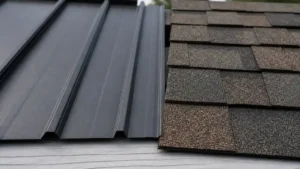
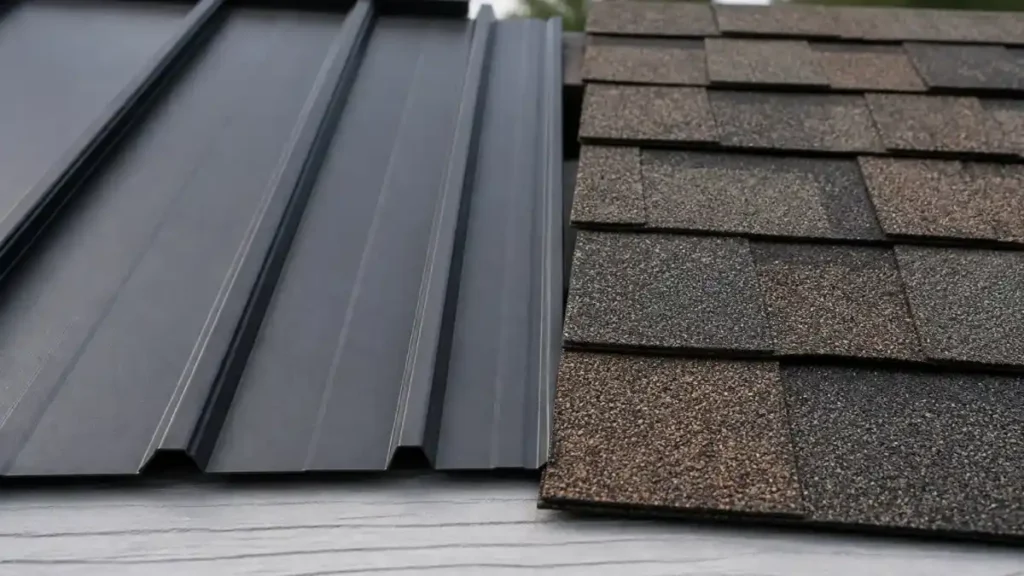
Asphalt shingles (fiberglass base with asphalt and mineral granules) break down from UV exposure and temperature cycles. Metal roofs (steel or aluminum panels with protective coating) resist those forces but can dent under impact and corrode if the coating fails.
| Factor | Asphalt Shingles | Metal Roof |
|---|---|---|
| Typical Lifespan | 15-25 years | 40-70 years |
| Cost (material + labor) | Lower upfront | Higher upfront |
| Hail Resistance | Moderate to poor | Excellent |
| Maintenance | Moderate | Low to moderate |
| Repair Difficulty | Easy | Moderate to difficult |
| Noise | Quiet | Can amplify rain/hail |
Asphalt Shingle Lifespan and What Affects It
Asphalt shingles typically last 15 to 25 years, but material grade, installation method, and attic environment determine whether a roof reaches 15 years or fails in 10.
Shingle Grade and Expected Lifespan
Not all asphalt shingles are created equal. The two main types have different durability profiles.
Three-tab shingles are the budget option, lasting 12 to 17 years under normal conditions. Warranties (15-20 years) cover manufacturing defects, not realistic service life. In harsh climates, they often fail closer to 12 years.
Architectural shingles are thicker, with multiple asphalt and granule layers for better UV and impact resistance. They typically last 18 to 25 years (25-30 year warranties common). In ideal conditions they reach 25+ years; in harsh conditions they degrade faster.
Architectural shingles cost 20-30% more per square foot but last significantly longer. If you plan to stay 20+ years, they reduce replacement risk.
How Installation Quality Determines Real-World Durability
Warranties cover manufacturing defects, not normal wear or installation failures. A roof in direct sun with poor ventilation might fail in 12 years; the same roof in shade with excellent ventilation could last 30 years.
Fastening pattern and nail placement directly affect shingle longevity. Nails must be positioned in the nail strip to avoid the sealant strip. Nails driven too high, too low, or at an angle cause lift, splitting, or seal failure.
Underlayment and flashing are where most leaks start. Underlayment must overlap correctly to prevent water from running under shingles. Flashing around penetrations and eaves must be sealed and overlapped correctly.
Attic ventilation significantly affects shingle lifespan. Poor ventilation causes heat buildup that cracks asphalt and causes premature granule loss; in winter, trapped moisture weakens the asphalt bond.
Installation temperature matters because sealant strips activate in warm weather (40°F+). Cold-weather installation prevents activation, allowing wind lift. Very hot weather causes premature activation and buckling. Professional roofers install in moderate temperatures (50-85°F) for proper sealant activation.
Factors That Shorten Shingle Life
Granule loss is the first visible sign of aging. Granules protect asphalt from UV rays; once they wash away, asphalt oxidizes and cracks. Moderate loss is normal; excessive loss (visible bare patches) signals end of life.
Algae and moss growth trap moisture against shingles, weakening the asphalt bond and promoting granule loss. Moss also indicates poor ventilation or inadequate slope. Cleaning extends life temporarily, but the underlying problem must be addressed.
Wind damage and missing shingles expose underlayment and deck. Even one missing shingle allows water penetration that rots plywood before notice. High winds (40+ mph) lift and tear shingles, especially at edges and corners.
Ice dams form when attic heat melts snow, and meltwater refreezes at eaves. Water backs up under shingles, causing damage and leaking. This is a ventilation and insulation problem; shingle replacement alone won’t fix it.
The biggest mistake homeowners make is waiting until shingles visibly fail to replace them. By that point, water damage has often already begun beneath the surface. Regular inspections (annually or after severe weather) catch problems at the flashing and penetrations, where leaks actually start, before they become expensive structural repairs. If you see granule loss, moss growth, or lifted shingles, schedule an inspection, the roof may have years of life left, or it may need replacement sooner than you expect.
Metal Roof Hail Resistance and Weather Performance
Metal roofs handle impact and weather stress fundamentally differently than shingles, but the durability advantage depends heavily on metal type, panel design, and how you define “damage.”
Metal Type and Impact Performance
Not all metal roofs perform equally under hail. The material itself, steel, aluminum, or copper, affects both denting tendency and corrosion risk.
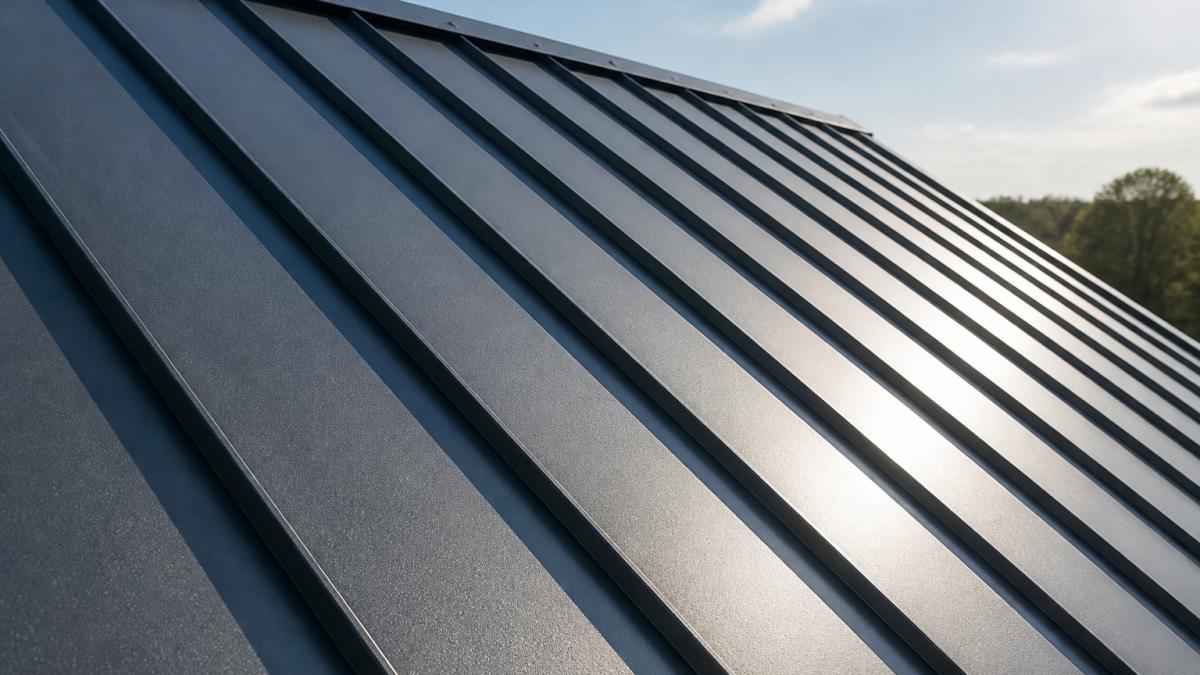
Steel panels are common and affordable but dent more easily than aluminum under hail. Standing-seam panels (mechanically locked seams) flex under impact and resist denting better, but installation is more complex and labor-intensive.
Aluminum panels are lighter and more flexible, resisting dents better than steel. However, aluminum is softer and more prone to cosmetic damage. It costs more upfront but offers better corrosion resistance in coastal or high-humidity environments.
Copper and zinc alloy roofs are premium options that develop a protective patina over time and resist corrosion indefinitely. They are rarely chosen for hail resistance (they dent like any metal) but for aesthetic and longevity reasons. These materials are outside the typical metal-vs.-shingle comparison but worth noting for homeowners in coastal regions.
Impact Ratings and What They Actually Mean
The UL 2218 standard rates impact resistance 1-4. A Class 4 rating means the roof withstood a 2-inch steel ball dropped from 20 feet without cracking or leaking, a functional durability test. Class 4 does not mean the roof won’t dent; it means dents don’t compromise water shedding. Severe hail can dent even Class 4 panels. The rating only guarantees the roof will still function.
Asphalt shingles are tested under ASTM D3161 (less severe than UL 2218). Most architectural shingles achieve Class 3 or 4, but hail larger than 1 inch commonly damages them by cracking or dislodging granules, while metal panels typically dent without functional failure.
Schedule An Appointment Today →
Denting Versus Functional Damage
This distinction matters for insurance and warranty claims. A dented metal panel that still sheds water is cosmetic damage. A cracked or punctured panel that leaks is functional damage. Insurance companies and manufacturers treat them differently.
Cosmetic denting is usually not covered by insurance unless the hail event is severe. Insurers require evidence of functional failure (leaking, rust, panel separation). Functional damage (leaking seams, punctures, coating failure) is covered. A roof that dents but doesn’t leak is still performing its primary function.
Homeowners in hail-prone regions who want zero cosmetic damage should specify thicker-gauge metal (typically 24 or 26 gauge instead of 29 gauge) or impact-resistant coatings that reduce denting. These upgrades cost 10-20% more but appeal to homeowners who prioritize appearance alongside durability.
Corrosion and Long-Term Durability
Metal roofs fail when their protective coating fails. Steel corrodes if the coating is scratched or if incompatible fasteners create galvanic corrosion. Installation quality determines long-term durability: poor sealing, incorrect fasteners, or inadequate slope allows water to sit against the metal. A well-installed metal roof lasts 50-70 years; a poorly installed one can fail in 20 years.
When comparing metal roofs, ask about the coating system and warranty. A 30-year paint warranty suggests the manufacturer expects the coating to last that long. A 10-year warranty suggests faster degradation. The coating is what protects the metal, so this matters more than the panel gauge. Also ask whether the warranty covers cosmetic denting or only functional failure, this affects your coverage if hail strikes.
Roof Replacement Cost Comparison: Metal vs Shingle
Cost is where most homeowners make their decision. Asphalt shingles cost less upfront. Metal roofs cost more upfront but spread the cost over a longer lifespan.
Installation Labor and Material Costs
Asphalt shingle installation is straightforward and fast, with lower labor and material costs. Metal roof installation is more complex, requiring precise panel measurement, sealing, and flashing work, with higher labor and material costs. A shingle roof replaced twice over 50 years costs more than a single metal roof installation.
Long-Term Value and Repair Expenses
Shingle roofs require regular maintenance. Flashing needs resealing. Damaged shingles need replacement. Moss removal prevents deterioration in humid climates. These costs add up over 20 to 25 years.
Metal roofs require less maintenance but more expensive repairs when damage occurs. A single panel replacement costs more than replacing a few shingles. However, metal roofs rarely need repairs if installed correctly and maintained minimally.
Insurance companies sometimes offer discounts for metal roofs because they’re more resistant to fire and hail damage. These discounts can offset some of the higher installation cost over time.
The real cost comparison isn’t installation price, it’s total cost of ownership. Shingles are cheaper to install but expensive to maintain and replace. Metal roofs are expensive to install but cheap to maintain and rarely need replacement.
Maintenance Requirements and Repair Difficulty
Shingle roofs demand more hands-on maintenance. Gutters must be cleaned regularly to prevent debris from damaging flashing. Moss should be removed before it traps moisture. Damaged shingles should be replaced promptly to prevent water intrusion.
Metal roofs require less active maintenance. Gutters still need cleaning, but metal itself doesn’t degrade from debris. Inspection for coating damage and seam separation is important, but this is typically annual or biennial, not constant.
Repair difficulty is where the trade-off becomes clear. A homeowner can patch a few damaged shingles themselves. Metal roof repairs require specialized tools and knowledge. Most homeowners hire a professional, which costs more per repair but happens less frequently.
Which Material Wins for Your Home
The answer depends on three factors: climate, budget, and timeline.
If you live in a region with severe hail or high winds, metal wins on durability. The impact resistance and longevity justify the higher cost. If you’re in a moderate climate with stable weather, asphalt shingles offer reasonable durability at lower cost.
If you plan to stay in your home for 20+ years, metal roofs make financial sense. The longer lifespan means you avoid a second replacement.
If budget is tight, shingles are the only realistic option. If you can absorb higher upfront costs, metal roofs reduce long-term expenses and provide peace of mind.
At Covenant Roofing & Restoration, we help homeowners evaluate their specific situation. Climate, home age, attic ventilation, and local weather patterns all influence which material will perform best and last longest in your home.
Choosing between a metal roof and asphalt shingles isn’t just about durability, it’s about matching the material to your home’s needs and your financial situation. The right choice protects your home for decades while keeping costs manageable.
Frequently Asked Questions
Will a metal roof last longer than a shingle roof?
Metal roofs typically outlast asphalt shingles by 20-30 years. Standard asphalt shingles last 15-20 years in most climates, while metal roofs often perform for 40-70 years depending on the material grade and installation quality. Metal’s superior durability comes from its resistance to UV damage, wind, and impact. However, actual lifespan depends on climate, maintenance, and installation quality, a poorly installed metal roof or premium shingles in a mild climate can shift this comparison.
How does metal roof hail resistance compare to shingles?
Metal roofs resist hail impact far better than asphalt shingles. Most metal panels withstand hail up to 1.5 inches in diameter without denting, and some premium grades handle larger impacts. Asphalt shingles, by contrast, sustain granule loss, cracking, and leaks from hail as small as 1 inch. After severe hail storms, metal roofs often require only cosmetic repair or none at all, while shingle roofs frequently need partial or full replacement, making hail resistance a major durability advantage for metal.
What’s the real cost difference between metal and shingle roof replacement?
Asphalt shingles cost less upfront, typically 30-40% less than metal for material and installation combined. However, metal roofs deliver better long-term value because they require fewer repairs and replacements over 50+ years. Shingles may need replacement twice in that time frame, multiplying labor and disposal costs. Your actual roof replacement cost comparison depends on your home’s size, local labor rates, material grade, and how long you plan to own the home. Contact a licensed contractor for a detailed quote tailored to your specific situation.
Does a 30-year shingle warranty mean it will actually last 30 years?
No. A 30-year warranty on asphalt shingles typically covers manufacturing defects, not weathering or normal wear. Most shingles fail functionally (leaks, granule loss) between 15-20 years, well before the warranty expires. Warranty terms versus expected service life are often misunderstood, the warranty period rarely matches actual lifespan. Factors like ventilation, UV exposure, temperature extremes, and installation quality affect how long shingles truly perform. Metal roofs, by comparison, often come with 30-50 year warranties that better align with their actual service life.