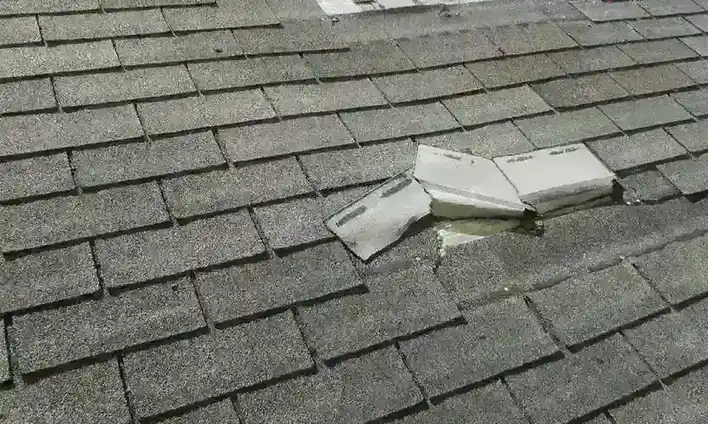
A hailstorm can leave your roof looking intact from the ground, but hidden damage can cause leaks, interior water stains, and long-term structural problems if not addressed quickly. For homeowners in Greeneville, TN, acting promptly after hail impact can save thousands of dollars in repairs and prevent mold or rot. The first steps focus on protecting your home and ensuring safety while documenting damage. Knowing what to check, what to temporarily patch, and when to call a professional is critical to limit interior damage and prepare for insurance claims.
Immediate Safety and Interior Protection
After a hailstorm, your priority is safety and preventing water from damaging your home. Roofs can be slippery, and hail can loosen shingles or damage flashing, making it dangerous to walk on the surface. Before attempting any repairs, evaluate whether your roof is safe to access and prioritize interior protection.
Do Not Climb a Wet or Damaged Roof
Walking on a roof that has been battered by hailstones, wind, or rain can be extremely hazardous. Even minor dents or lifted shingles can conceal weak spots. Greeneville homes often experience steep-slope roofs, and water accumulation after hailstorms increases the risk of slips or structural failure. Until a licensed roofing professional can inspect the roof, stay on the ground and focus on temporary interior measures.
Protect Interior Areas
Water leaking through a hail-damaged roof can quickly damage ceilings, walls, flooring, furniture, and electronics. Move valuables and furniture away from the affected area. Cover floors and belongings with towels, tarps, or plastic sheets to prevent water spread. For active leaks, place buckets or containers directly under drips. This simple step reduces the immediate interior impact and buys time until repairs or professional inspections can be arranged.
Document Damage Safely
Insurance claims and roof repairs often require clear documentation. Take photos and videos from safe positions of your roof, gutters, siding, windows, and interior ceiling or attic leaks. Note the date, time, and weather conditions of the hailstorm. Documenting damage before cleanup helps with insurance claims and ensures contractors can assess the full scope of repair or replacement needed.
Dry Affected Areas
Once water is contained, drying the area helps prevent mold growth and secondary damage. Use fans or a dehumidifier in the attic or inside rooms where water has leaked. Remove wet insulation if possible, as it can retain moisture against the roof decking and accelerate deterioration. While drying does not fix the roof itself, it mitigates immediate damage to the interior of your Greeneville home.
Identifying and Assessing Hail Damage
Understanding where and how hail has impacted your roof is critical to deciding on repair or replacement. Some damage is visible from the ground, while other issues may be hidden beneath shingles or within flashing and roof decking. Early identification can prevent small problems from turning into major leaks.
Common Signs of Hail Damage
Hail can affect different roof materials in distinct ways:
- Asphalt shingles: bruising, granule loss, small cracks, exposed fiberglass mats.
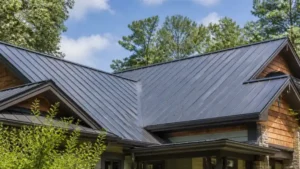
- Metal roofs: dents or minor punctures that can compromise waterproofing.
- Tile, slate, composite, rubber roofing: chips, cracks, or broken pieces.
- Flashing, vents, and skylights: bent, cracked, or lifted components.
- Gutters and downspouts: denting or granule buildup from hail impact.
- Interior: water stains on ceilings, wet attic insulation, or small drips.
Recognizing these signs early is vital for Greeneville homeowners, as even minor granule loss or small dents can allow water to penetrate under the roof and cause hidden leaks.
Factors Affecting Damage Severity
Several factors determine how badly hail impacts a roof:
- Hail size and density: Larger hailstones cause more bruising and potential punctures.
- Wind speed during the storm: Determines the force and angle of impact.
- Roof age, slope, and material type: Older roofs or brittle materials sustain more damage.
- Pre-existing wear: Shingles or flashing that were already compromised are more likely to fail.
Understanding these variables helps homeowners and contractors prioritize inspections and repairs for the most vulnerable areas of the roof.
Ground-Level Exterior Inspection Tips
Even if the roof cannot be safely accessed, you can perform a safe initial inspection from the ground:
- Use binoculars or a camera to check shingles, vents, skylights, gutters, and downspouts.
- Note dents, missing granules, lifted flashing, or obvious holes.
- Avoid walking on wet, steep, or hail-damaged surfaces.
- Record the exact location of damage for your contractor and insurance documentation.
By conducting a careful ground-level assessment, you can identify critical damage while minimizing risk. Once this documentation is complete, Greeneville homeowners can coordinate with licensed roofing professionals like Covenant Roofing & Restoration for comprehensive inspection, repair, and insurance assistance.
Temporary Emergency Measures After Hail Damage
Once your home is safe inside and you have documented the visible hail damage, the next step is to reduce further water entry until the roof can be repaired properly. Temporary emergency measures are meant to protect your home for a short time, especially if rain is still in the forecast for Greeneville, TN. These steps are useful when hail has damaged shingles, flashing, vents, gutters, or exposed parts of the roof surface. They should not replace a full inspection because hail damage can weaken the roof decking or underlayment even when the surface damage looks small.
Emergency Tarping for Exposed Roof Areas
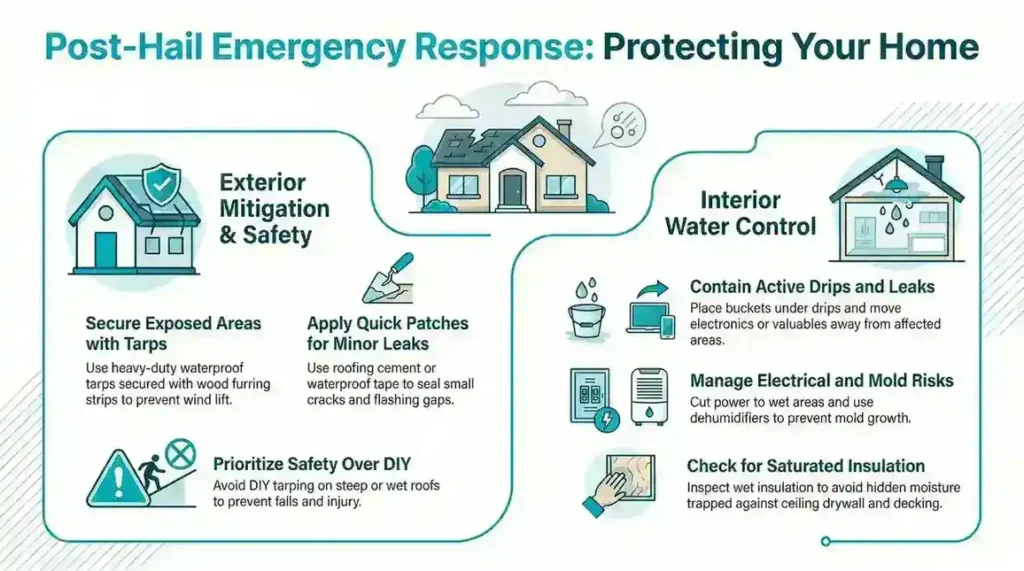
A heavy-duty waterproof tarp can help protect the roof if hail has created open areas, missing shingles, punctures, or exposed decking. The tarp should cover the damaged section and extend beyond it so rainwater cannot easily run underneath. For better hold, roofers often secure the tarp with wood furring strips or 2×4 anchor boards instead of placing random nails through the tarp. This helps reduce wind lift and avoids creating extra holes in the roof.
If the roof is steep, wet, high, or badly damaged, homeowners should avoid DIY tarping. A tarp can become dangerous in wind, and walking on a hail-damaged roof may cause injury or additional roof damage. Covenant Roofing & Restoration can help Greeneville homeowners with storm damage inspections, emergency protection, and proper repair planning after hail damage.
Quick Patching for Minor Roof Damage
Small cracks, lifted shingles, or tiny gaps around flashing may be slowed with roofing cement, waterproof roofing tape, or tar paper until a permanent repair is completed. Roofing cement can be applied with a putty knife to cover minor openings, exposed nail heads, or small flashing gaps. Waterproof roofing tape may help seal small tears or lifted seams for a short time. These quick patches work best for minor damage only. They are not reliable for widespread hail impact, cracked roof decking, damaged underlayment, or large missing shingle sections. If water is still entering the attic after patching, the damage is likely deeper than the surface.
Interior Water Control While Waiting for Repairs
If water is already entering the home, keep buckets under active drips and use towels or plastic sheeting to stop water from spreading across floors. Move electronics, rugs, furniture, and valuables away from the affected room. If water is near outlets, light fixtures, or ceiling fans, avoid touching the area and consider turning off power to that section of the home. Use fans and a dehumidifier to dry damp areas once water is contained. Wet insulation should be checked because it can hold moisture against the roof decking and ceiling drywall. This can lead to stains, odor, and mold growth if left untreated.
Roof Repair vs Roof Replacement After Hail Damage
After the emergency steps are complete, the next major question is whether it needs a roof repair or a full replacement. This decision depends on the size of the hail damage, roof age, roofing material, number of affected slopes, and whether the roof system is still protecting the home. A professional roof hail damage inspection is important because cosmetic damage and structural damage are not always easy to separate from the ground.
When Roof Repair May Be Enough
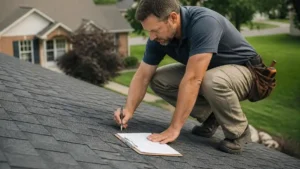
Roof repair may be enough when hail damage is limited to a small area and the rest of the roof is in good condition. This may include replacing a few damaged asphalt shingles, sealing minor flashing damage, repairing a small puncture, or fixing a localized leak. If the roof is newer and the damage affects only one small section, targeted repair may restore protection without replacing the full roof. A professional roofer should still check the surrounding shingles, roof decking, vents, gutters, and underlayment. Hail damage can spread beyond the most visible impact marks, especially when wind drives hail against one side of the roof.
When Full Roof Replacement Makes More Sense
Roof replacement may be the better option when hail damage is widespread across multiple roof planes, many shingles have lost granules, roof decking is compromised, or the roof was already near the end of its service life. A roof with repeated leaks, brittle shingles, or large areas of exposed underlayment may not respond well to spot repairs.
Replacement may also make sense when repair costs are close to the cost of a new roof. In some cases, insurance may approve replacement if the hail damage meets policy and adjuster requirements. Covenant Roofing & Restoration can help document roof condition and explain whether repair or replacement is the better long-term choice.
Material Options After Hail Damage
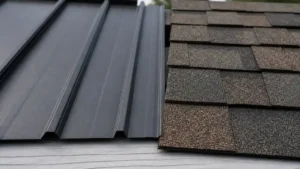
If replacement is needed, material choice matters. Asphalt shingles are common and cost-effective, but homeowners in storm-prone areas may want to consider Class 4 impact-resistant shingles. These shingles are made to handle stronger impact and may reduce future hail damage risk. Metal roofing can also perform well during storms, though it may show dents after hail. Composite, rubber, tile, and synthetic slate options can offer different levels of durability, appearance, and cost. The best choice depends on your home, budget, local weather exposure, and insurance requirements.
| Roofing Option | Hail Performance | Best For |
| Standard asphalt shingles | Moderate protection | Budget-friendly roof replacement |
| Class 4 impact-resistant shingles | Stronger impact resistance | Storm-prone homes |
| Metal roofing | Durable, may dent | Long-term protection |
| Composite or synthetic roofing | Good impact options | Premium durability and style |
| Tile or slate | Can crack under severe hail | Homes built for heavier materials |
Insurance and Financial Guidance
Hail damage roof repair often involves homeowner’s insurance, especially if the damage came from a confirmed storm. Good documentation and a professional inspection can make the process smoother. Before filing a claim, homeowners should understand their deductible, coverage type, and whether the estimated repair cost is likely to exceed the deductible.
Document Everything Before Making Permanent Repairs
Photos and videos are important for hail damage claims. Capture visible roof impact, dented gutters, damaged siding, cracked vents, broken skylights, fallen branches, interior stains, attic leaks, and any temporary repair materials used. Keep receipts for tarps, buckets, roofing cement, towels, plastic sheeting, fans, or dehumidifier rental. Do not remove or clean up all evidence before documenting it. If emergency cleanup is needed, take photos first. This gives the insurance adjuster and roofing contractor a clearer record of what happened.
Understand Deductibles, ACV, and RCV
Your deductible is the amount you pay before insurance coverage applies. If the repair cost is lower than the deductible, filing a claim may not make financial sense. If the damage is larger, insurance may help with approved repair or replacement costs. Two common policy terms are ACV and RCV. ACV means actual cash value, which factors in roof age and depreciation. RCV means replacement cost value, which may cover the cost to replace damaged roofing according to policy terms. Homeowners should review their policy or speak with their insurance company to understand what applies.
Work With a Local Roofing Contractor During the Claim
A local roofing contractor can provide an inspection report, photos, repair estimate, and damage notes. This helps the adjuster understand the roof condition. Having a contractor present during the adjuster visit may also help ensure the damaged shingles, flashing, gutters, vents, and roof decking are properly reviewed. Avoid signing with storm-chasing contractors who appear after severe weather and pressure homeowners into quick decisions. Choose a licensed, bonded, and insured local roofing contractor with a real presence near Greeneville, TN.
Selecting a Qualified Roofing Contractor in Greeneville, TN
After emergency measures are in place and damage has been documented, hiring a professional roofing contractor is the next crucial step. The right contractor ensures repairs or replacement are performed safely, efficiently, and in compliance with building codes. For hail-damaged roofs, local expertise is especially important because Greeneville homes may face repeated storms, strong winds, and hail events that affect repair durability.
Licensed, Bonded, and Insured Professionals
Always choose a contractor who is fully licensed, bonded, and insured. This protects your home and ensures the work meets local building standards. Licensed contractors can also provide warranties on labor and materials, which is essential when repairing or replacing roofs after hail damage. Covenant Roofing & Restoration offers licensed and insured services in Greeneville, TN, with experience handling hail-related roof repairs and insurance claims.
Contractor Qualities to Look For
- Storm Damage Experience: Contractors familiar with hail and wind damage can quickly identify structural and cosmetic issues.
- Insurance Assistance: A knowledgeable roofer can help with documentation and claim support, making the insurance process smoother.
- Local Presence: Hiring a contractor based in Greeneville ensures they are familiar with local building codes, weather patterns, and suppliers.
- References and Reviews: Check previous customer reviews, ask for references, and view completed projects.
- Manufacturer Certification: Ensures shingles and roofing materials are installed according to guidelines to maintain warranties.
Red Flags to Avoid
- Unsolicited storm-chaser contractors who pressure you to sign immediately.
- Large upfront payments or cash-only requests.
- Contractors without verifiable local contact information or licensing.
- Limited or no warranty on work or materials.
Preventing Future Hail Damage
Once your roof is repaired or replaced, taking proactive measures can reduce the risk of future damage. Proper maintenance, material upgrades, and inspection routines are key to long-term protection.
Upgrade Roofing Materials
Impact-resistant shingles (Class 4) are designed to withstand stronger hail impact and can significantly reduce future damage. Metal, composite, or synthetic roofing materials also provide additional durability. Upgrading can often qualify homeowners for insurance discounts while providing longer-lasting protection.
Regular Roof Maintenance
- Twice-Yearly Inspections: Check shingles, flashing, gutters, vents, and roof edges for wear or early damage.
- Gutter Cleaning: Prevents water pooling that can worsen hail or storm damage.
- Tree Trimming: Keeps branches from striking the roof during storms.
- Proper Ventilation: Ensures attic moisture doesn’t weaken roofing components over time.
Cost and Timeline Considerations
Understanding estimated costs and timelines helps homeowners plan and coordinate with insurance and contractors.
| Repair Type | Typical Cost (USD) | Notes |
| Spot Repair | $300–$1,500 | Minor shingles, localized damage |
| Section Replacement | $2,000–$8,000 | Multiple shingles or small roof plane |
| Full Replacement | $8,000–$25,000+ | Widespread damage, older roofs |
| Emergency Tarp Installation | $200–$800 | Temporary protection until repair |
Timeline Estimates:
- Initial inspection and documentation: 1–3 days
- Insurance adjuster review: 3–10 days
- Repair or replacement work: 1–5 days, depending on the scope
- Final inspection: 1–2 days
Delaying repairs can lead to interior water damage, mold growth, and structural deterioration, increasing both repair costs and insurance claims.
Why Professional Hail Damage Roof Repair Is Essential
Hiring a professional ensures safety and effectiveness. Professionals:
- Reduce risk of injury on damaged roofs.
- Correctly identify hidden or structural damage.
- Maintain manufacturer warranties on materials.
- Help with insurance claims and proper documentation.
- Provide long-term protection for the home and investment.
Covenant Roofing & Restoration offers comprehensive hail damage services for Greeneville, TN residents, including roof inspections, repair, replacement, and insurance claim support. Acting promptly after hail damage can prevent costly interior damage and protect your home’s structural integrity.
FAQs – Roof Repair After Hail Damage
Q1: How do I know if hail damaged my roof?
Check for missing granules, bruised or cracked shingles, dents on metal roofing, or broken tiles. Look for interior leaks or water stains.
Q2: How soon should hail damage be repaired?
Ideally, within a few days after the storm, especially if rain or wind is expected, to prevent leaks or interior damage.
Q3: Can hail damage cause leaks later?
Yes. Even minor cosmetic damage can compromise waterproofing, leading to future leaks.
Q4: Does homeowners’ insurance cover hail damage?
Typically, yes, but coverage depends on your policy type, deductible, and whether the damage is documented and verified.
Q5: Can minor hail damage be patched instead of replacing the roof?
Small isolated damage can sometimes be repaired, but a professional inspection is needed to ensure no underlying structural damage.