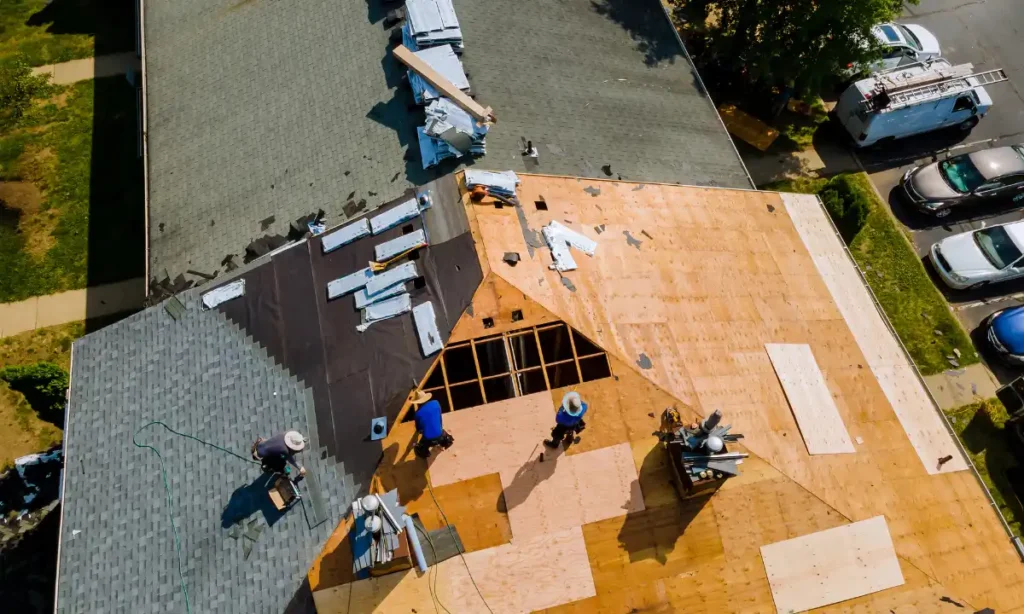
A new roof is one of the biggest home protection upgrades a homeowner can make, but many people sign a roofing contract without fully understanding what their warranty will cover later. This can become a real problem if roof leaks, defective shingles, flashing issues, or installation mistakes appear after the roof replacement is complete. For homeowners in Greeneville, TN, warranty coverage matters even more because local roofs deal with heavy rain, wind, hail, humidity, falling tree limbs, and seasonal weather changes. Understanding warranty coverage for new roof replacement helps you know what is protected, what is excluded, and whether a roof repair, roof leak repair, or full roof replacement may fall under a manufacturer’s warranty, workmanship warranty, home warranty, or homeowners’ insurance policy.
What Does Warranty Coverage for New Roof Replacement Mean?
Warranty coverage for new roof replacement means the written protection that comes with your new roofing system after it is installed. It explains who is responsible if certain problems happen after the job is done. Some warranties protect the roofing materials, such as asphalt shingles, underlayment, flashing, ridge vents, starter shingles, or other roof system components. Other warranties protect the roof installation, which means the roofer may be responsible if leaks happen because of poor installation, improper shingle placement, flashing damage, or workmanship errors.
A roof warranty does not mean every future roof problem will be fixed for free. This is where many homeowners get confused. A warranty is different from homeowners’ insurance, and it is also different from a home warranty plan. A manufacturer’s roof warranty may cover defective shingles, but it usually will not cover storm damage, hail damage, fire damage, wind damage, falling objects, tree limb damage, vandalism, or water damage from household systems. Those sudden events are usually handled through homeowners’ insurance, depending on the policy. A home warranty may help with limited roof leak coverage or roof leak repair in some plans, but most home warranty companies do not cover full roof replacement.
For Greeneville homeowners, the best time to understand warranty coverage is before the roof replacement begins. A professional roofer should explain what warranty comes with the shingles, what workmanship coverage the contractor provides, whether warranty registration is required, and what actions could void the warranty later.
Why Roof Warranty Coverage Matters Before You Replace Your Roof
Roof replacement is a major roof budget decision. Most asphalt shingle roofs last about 20 to 30 years, depending on the roofing materials, climate, installation quality, roof ventilation, maintenance habits, and weather exposure. A strong warranty gives homeowners peace of mind because it can help reduce the cost of certain covered roof repair issues after installation.
Without clear warranty coverage, a homeowner may assume a leak is covered, only to find out the problem was caused by clogged gutters, standing water, poor roof maintenance, wildlife damage, insect damage, foot traffic, solar panel rack installation, or unauthorized roof repairs. These issues may lead to warranty claim rejection. This is why the warranty fine print matters as much as the shingle brand.
For a local roofing company like Covenant Roofing & Restoration, warranty education is important because homeowners need more than a new roof. They need home protection, better curb appeal, improved home efficiency, and a roofing system that is installed correctly from the start. A new roof should protect the primary living areas of the home, reduce leak risks, and help prevent structural damage caused by long-term water intrusion.
Main Types of Roof Warranties Homeowners Should Understand
Most roof replacement warranties fall into three main categories: manufacturer warranty, contractor workmanship warranty, and extended or system warranty. Each one protects a different part of the roofing project. A complete understanding of these warranty types helps homeowners compare roofing estimates correctly instead of choosing only by price.
| Warranty Type | What It Usually Covers | Who Provides It | Common Limitations |
| Manufacturer Warranty | Roofing materials, shingles, factory defects | Shingle or roofing product manufacturer | May not cover poor installation or labor costs |
| Workmanship Warranty | Installation errors, contractor mistakes, roof leak issues caused by poor installation | Roofing contractor | Does not usually cover storm damage or homeowner-caused damage |
| Extended/System Warranty | Complete roof system components and sometimes stronger labor/workmanship coverage | Manufacturer through a certified contractor | May require approved materials, certified installation, and warranty registration |
A good roofing estimate should clearly state which warranties are included, how long they last, what they cover, what they exclude, and how claims are handled.
Manufacturer Roof Warranty
A manufacturer’s roof warranty protects against defects in the roofing materials themselves, such as cracked, blistered, or prematurely worn shingles. Coverage is usually limited, with conditions, exclusions, and time frames ranging from 10 to 30 years, or longer for premium options installed by certified contractors. It generally does not cover damage from poor installation, weather, maintenance issues, or third-party interference like solar panels or satellite dishes.
Contractor Workmanship Warranty
A contractor’s workmanship warranty covers the quality of the roof installation, ensuring leaks or issues caused by improper shingle placement, flashing, or nail errors are addressed. This warranty should always be in writing, detailing the coverage period, what repairs are included, who pays labor costs, and any exclusions. Clear workmanship warranties protect homeowners from installation mistakes, while verbal promises should be avoided.
Extended Manufacturer Warranty or Complete Roof System Warranty
An extended manufacturer warranty, sometimes called a system warranty, premium warranty, or complete roof system warranty, may offer stronger protection than a basic manufacturer warranty. This type of warranty often applies when a certified contractor installs a full roofing system using approved branded components.
A complete roof system may include:
- Asphalt shingles
- Starter shingles
- Hip and ridge cap shingles
- Underlayment
- Ice and water shield
- Ice and water barriers
- Roof flashing
- Ridge vents
- Soffit vents
- Ventilation products
- Field shingles
- Fasteners
The benefit of an extended warranty is that it may cover more than just defective shingles. Some extended warranties may include roof system components, labor costs, tear-off costs, disposal costs, and certain workmanship coverage for installation errors. However, these warranties often require correct installation, warranty registration, approved products, and documentation.
For homeowners in Greeneville, TN, this type of warranty can be valuable because local weather can test the full roofing system, not just the visible shingles. Proper ventilation, underlayment, flashing, and drainage all affect roof performance and roof longevity.
What Is Usually Covered Under a New Roof Replacement Warranty?
A new roof replacement warranty usually covers either roofing material defects, installation-related problems, or both, depending on the warranty type. The exact coverage depends on the manufacturer, contractor, roofing products, and warranty level selected at the time of installation.
Common covered items may include:
- Defective shingles
- Cracking shingles
- Blistering caused by product defects
- Premature material failure
- Asphalt shingle defects
- Certain roof system components
- Installation mistakes under the workmanship warranty
- Roof leaks caused by contractor error
- Labor costs under some extended warranties
- Replacement shingles during the eligible coverage period
This does not mean every leak is covered. A roof leak may be covered if it is caused by defective materials or poor installation. It may not be covered if it comes from storm damage, hail damage, wind damage, falling objects, poor maintenance, clogged gutters, pre-existing leaks, preventable damage, or damage from another trade.
Defective Shingles or Roofing Materials
Defective shingles are one of the main reasons homeowners file manufacturer warranty claims. A shingle defect means the roofing material failed because of a factory or product issue, not because of poor installation, weather damage, or lack of maintenance.
Examples of possible shingle defects include:
- Early cracking
- Excessive granule loss
- Blistering
- Premature curling
- Early material breakdown
- Color fading outside normal expectations
- Shingles failing before the expected service period
A manufacturer may require inspection records, installation photos, product information, and sometimes material testing before approving a roof warranty claim. This is why professional installation and proper documentation matter from day one.
Roof System Components
A roof is more than shingles. A strong roofing system includes several parts that work together to protect the home from water damage, structural damage, and energy loss. If one part fails, the rest of the system can suffer.
Important roof system components may include underlayment, roof flashing, starter shingles, ridge vents, soffit vents, hip and ridge cap shingles, ice and water barriers, pipe boots, fasteners, and ventilation products. These parts help move water off the roof, protect vulnerable areas, support airflow, and reduce moisture buildup in the attic.
Some basic warranties may cover only shingles. Extended warranties may cover more roof system parts if the contractor uses approved branded components. This is one reason homeowners should ask whether their roof replacement includes a full system warranty or only a standard shingle warranty.
Labor Coverage
Labor coverage is one of the most important details in any roof warranty. Some warranties may cover replacement shingles but not the labor needed to remove failed shingles and install new ones. This can surprise homeowners because labor, tear-off, and disposal costs can make a warranty claim much more expensive than expected. A strong warranty may include:
- Labor for covered repairs
- Tear-off costs
- Disposal costs
- Replacement materials
- Installation correction
- Workmanship repair labor
A weaker warranty may only provide replacement materials. Before signing a roof replacement contract, homeowners should ask this direct question: If my shingles fail under warranty, who pays for labor, tear-off, and disposal?
Installation-Related Leaks
Installation-related leaks are usually handled under the contractor workmanship warranty, not the basic manufacturer warranty. These leaks may happen because of poor flashing, improper nail placement, incorrect valley installation, weak pipe boot sealing, poor ventilation work, or mistakes around chimneys, skylights, vents, and roof edges.
This is why choosing the right professional roofer matters. A lower roof replacement price may look attractive at first, but poor installation can lead to roof leak repair costs, interior water damage, mold concerns, damaged insulation, and structural damage later. Homeowners should choose a roofing contractor who explains their workmanship warranty clearly and stands behind the installation.
What Is Not Covered by Most Roof Replacement Warranties?
Most roof replacement warranties protect against specific material defects or installation mistakes. They do not cover every roof problem that happens after installation. This is why homeowners should read the warranty fine print before assuming a roof leak, missing shingles, water damage, or structural damage will be covered.
Storm, Wind, Hail, and Severe Weather Damage
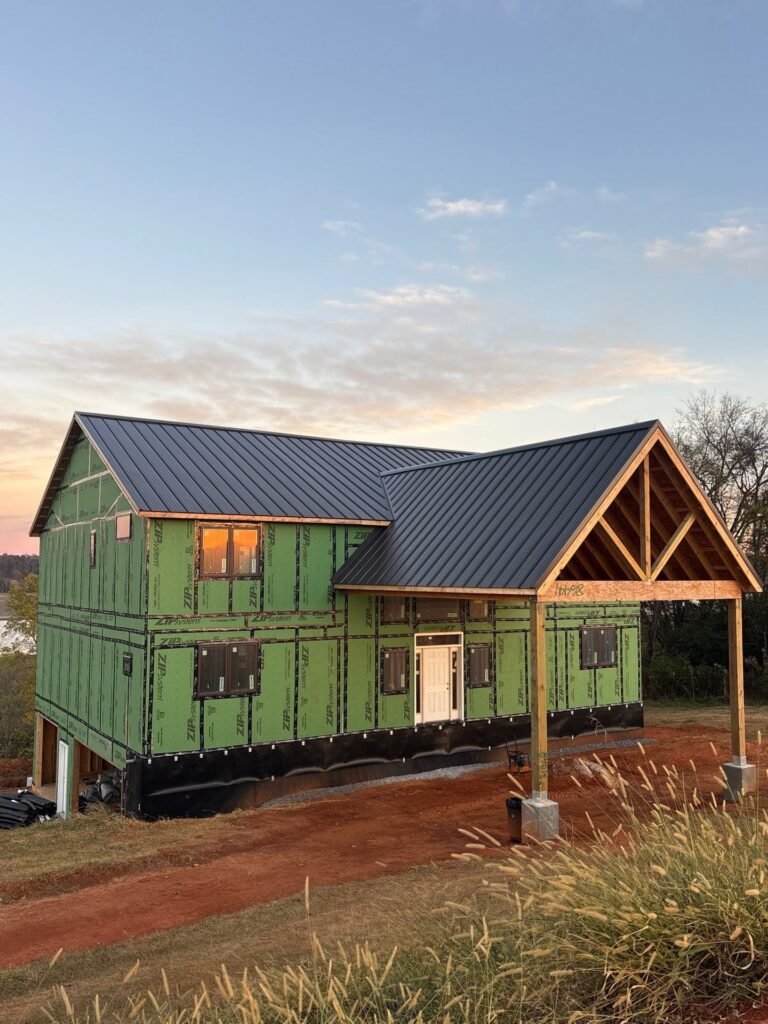
Storm damage is usually not covered by a standard roof warranty. If hail damage, high wind damage, lightning damage, fire damage, falling objects, or tree limb damage affects the roof, the claim usually goes through homeowners’ insurance, not the roofing warranty. In Greeneville, TN, this matters because seasonal storms can damage shingles, flashing, gutters, and roof vents.
Damage from Poor Roof Maintenance
A warranty can be denied if the roof problem is linked to poor maintenance. Clogged gutters, dirty downspouts, moss buildup, algae growth, standing water, and overhanging branches can all create preventable damage. Regular roof inspection and gutter cleaning help protect both the roof and the warranty.
Damage Caused by Another Contractor
Roof warranty coverage may not apply if another contractor damages the roofing system. This can happen during solar panel installation, satellite dish work, chimney repair, HVAC vent work, or other rack installation projects. Before letting anyone work on the roof, homeowners should call the original roofing contractor first.
Foot Traffic, DIY Repairs, and Homeowner Damage
Walking on shingles, using pressure washers, making DIY roof repairs, or installing items without proper approval can void part of the warranty. Asphalt shingles are made to handle weather, not repeated foot traffic or harsh cleaning methods. Even small mistakes can loosen shingles, damage flashing, or create roof leak issues.
Pre-Existing Leaks and Preventable Damage
Most warranties do not cover pre-existing leaks or issues that existed before the new warranty period started. Home warranty companies, including plans like America’s Preferred Home Warranty / APHW, may also exclude pre-existing leaks, preventable damage, and natural events. This is why a roof inspection before replacement or coverage enrollment is important.
Does a Home Warranty Cover Roof Repair or Roof Replacement?
A home warranty may cover some roof leak repair, but it usually does not cover full roof replacement. Coverage depends on the provider, plan, service fee, exclusions, and whether roof leak coverage is included or purchased as an add-on.
For example, some home warranty plans may help with roof leaks over primary living areas. However, they may exclude rolled roofing, metal roofing, detached structures, patios, gutters, skylights, flashing beyond certain limits, pre-existing leaks, preventable damage, or roof issues caused by severe weather.
Does a Home Warranty Cover Roof Leak Repair?
In some cases, yes. A home warranty may help with roof leak repair if the leak is caused by normal wear and tear and falls within the covered area. The contract may limit how much the company pays, which roof areas qualify, and what type of roofing materials are included.
Does a Home Warranty Cover Full Roof Replacement?
Usually, no. Full roof replacement is rarely covered by most home warranty companies. If the roof needs replacement because of age, widespread damage, severe weather, or structural problems, homeowners usually need to use their roof budget, financing, or homeowners’ insurance if the damage came from a covered event.
What About APHW Roof Coverage?
America’s Preferred Home Warranty, also known as APHW, includes roof leak repair in some home warranty plans. Still, APHW roof coverage may exclude pre-existing leaks, preventable damage, and natural events. Homeowners should read the contract carefully before assuming a leak or replacement will be covered.
Prorated vs Non-Prorated Roof Warranty Coverage
Roof warranties often use terms like prorated and non-prorated. These terms affect how much value the warranty keeps as the roof gets older.
What Prorated Coverage Means
Prorated coverage means the warranty value decreases over time. In the early years, the warranty may cover more. Later, it may cover less, which means the homeowner may pay more for replacement shingles, labor costs, tear-off costs, or disposal costs.
What Non-Prorated Coverage Means
Non-prorated coverage means the warranty keeps its full value during the stated coverage period. This is better for homeowners because the warranty may cover more of the repair or replacement cost if a covered material failure happens during that period.
Why This Matters for Roof Budget Planning
A low-cost roof replacement may come with weaker warranty coverage. A better roofing system may cost more upfront but may include stronger non-prorated coverage, better system protection, and more value over time. Homeowners should compare warranty terms, not just the estimated total.
How Long Does a New Roof Replacement Warranty Last?
Roof warranty length depends on the roofing materials, manufacturer, installation quality, and warranty type. Asphalt shingles often come with limited warranty terms, while workmanship coverage depends on the roofing contractor.
Asphalt Shingle Warranty Duration
Many asphalt shingle warranties use terms like limited lifetime warranty. This does not always mean every cost is covered forever. It often means coverage lasts while the homeowner owns the home, but the level of coverage may change after the early full-coverage period.
Workmanship Warranty Duration
A workmanship warranty can vary a lot. Some contractors offer short coverage, while others offer longer protection. The length matters, but the written details matter more. A 10-year workmanship warranty with many exclusions may be weaker than a shorter warranty with clear protection.
Extended Warranty Duration
Extended roof warranties may offer longer protection when a certified contractor installs approved roofing materials and roof system components. These warranties may include stronger coverage for shingles, system parts, labor, and installation errors, depending on the program.
How to Protect Your Roof Replacement Warranty
Protecting your roof warranty starts after installation. A warranty is easier to use when you have records, inspection notes, photos, and a clear maintenance history. Greeneville homeowners should keep every roofing document in one folder so they can prove what was installed, who installed it, and when the roof replacement was completed.
Register the Warranty on Time
Some manufacturers and extended warranties require registration after installation. Ask your roofing contractor if they handle warranty registration or if you need to complete it yourself. Keep a copy of the registration confirmation with your roofing contract.
Keep Your Roofing Contract and Product Details
Your warranty file should include the signed contract, invoice, shingle brand, shingle color, warranty documents, ventilation details, and any installation photos. These records help if you ever need to file a roof warranty claim.
Schedule Regular Roof Inspections
A roof inspection helps catch small issues before they become expensive leaks. In Greeneville, TN, it is smart to schedule an inspection after major storms, heavy wind, hail, or damage from falling tree limbs.
Clean Gutters and Downspouts
Clogged gutters can push water under shingles and around fascia boards. Clean gutters and downspouts support foundation protection, reduce water damage risk, and help keep the roof system working properly.
Call the Original Roofer Before Repairs
Before hiring another contractor for roof repair, flashing work, satellite dishes, solar panels, or vent changes, contact your original roofer. Unauthorized repairs can create warranty issues.
Red Flags in a Roof Replacement Warranty
A weak warranty can create problems later. Before signing a roofing contract, homeowners should look for warning signs that the warranty may not provide strong protection. Common Warranty Red Flags
- No written warranty
- Very short workmanship coverage
- No clear claim process
- Too many vague exclusions
- Contractor cannot explain the coverage
- No warranty registration support
- No product information listed
- Labor coverage is unclear
- Tear-off and disposal are excluded
- Certification claims are not verified
Why Written Details Matter
A verbal promise is not enough. Your roof replacement warranty should clearly state what is covered, what is excluded, how long coverage lasts, and who handles repairs.
Roofing Warranty Considerations for Greeneville, TN Homeowners
Greeneville roofs face rain, humidity, wind, hail, algae growth, falling branches, and seasonal temperature changes. These conditions make proper installation, ventilation, flashing, and drainage very important.
A new roof should protect the home’s primary living areas, improve curb appeal, support home efficiency, and reduce future roof repair risks. Working with a local professional roofer also helps because they understand common roof problems in East Tennessee homes.
For homeowners in Greeneville, Covenant Roofing & Restoration can help explain roof replacement options, warranty coverage, roofing materials, inspection findings, and roof repair needs in clear language before the project starts.
Final Advice Before Replacing Your Roof
Do not choose a new roof by price alone. Compare the roofing materials, contractor experience, workmanship warranty, manufacturer warranty, warranty exclusions, and claim process.
The strongest roof replacement plan gives you:
- Quality roofing materials
- Correct roof installation
- Clear written warranty coverage
- Proper roof ventilation
- Strong flashing details
- Good documentation
- Ongoing maintenance guidance
If you need help understanding warranty coverage for new roof replacement in Greeneville, TN, Covenant Roofing & Restoration can inspect your roof, explain your options, and help you choose a warranty-backed roofing system.