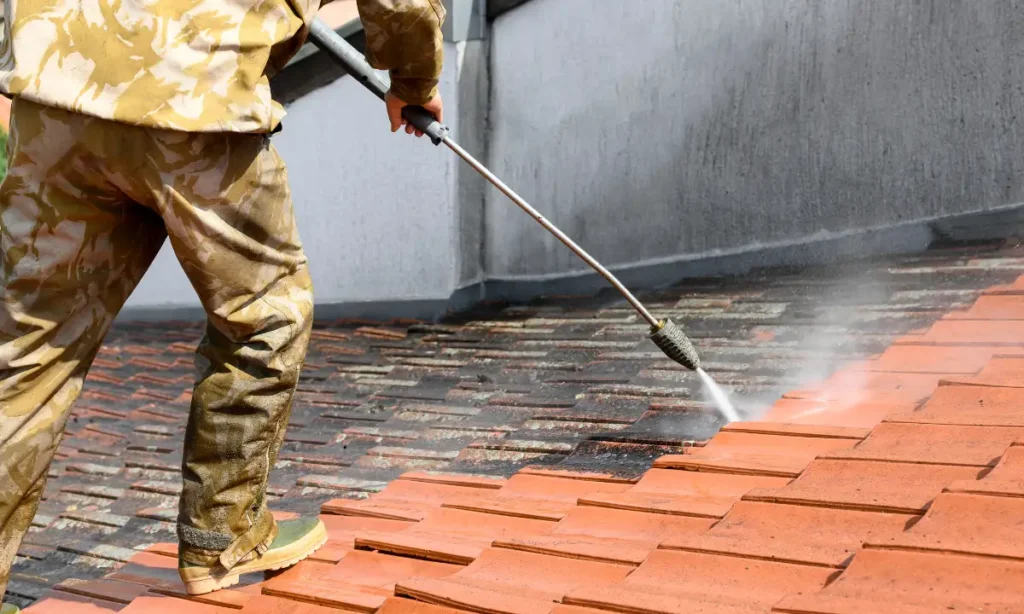
As a homeowner in Greeneville, TN, you may be familiar with roof cleaning, especially when your roof starts to show signs of dirt, algae, or moss growth. While pressure washing may seem like an easy fix to get rid of these issues, the truth is that this method can do more harm than good to your shingles. Many homeowners unknowingly damage their roofs by using high-pressure water, which can lead to costly repairs and a shorter lifespan for your roof.
We will explain why pressure washing damages shingles, and why soft wash roof cleaning is the safer, more effective alternative. By understanding these two methods, you can make an informed decision about roof care, ensuring your roof stays in good condition for years to come.
Understanding Pressure Washing and Why It Damages Roof Shingles
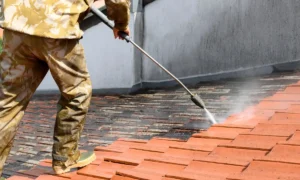
Pressure washing is a cleaning method that uses high-pressure water to remove dirt, debris, algae, moss, and other contaminants from various surfaces, including your roof. While this method is effective for cleaning concrete driveways, patios, and house siding, it can cause significant damage when used on roof shingles.
Roof shingles, especially asphalt shingles, are designed to protect your home from the elements. They have a protective layer of granules that help prevent damage from the sun and rain. Pressure washing, however, uses extremely high water pressure that forces water into delicate surfaces and can damage the shingles, leading to much bigger problems.
How Pressure Washing Affects Shingles
Pressure washing can cause damage in several ways, which makes it unsuitable for roof cleaning:
- Granule Loss: Asphalt shingles have a layer of granules that protect them from the sun’s harmful UV rays. High-pressure water can loosen these granules, causing them to fall off. Without the granules, the shingles become more vulnerable to weather conditions, and their lifespan is shortened.
- Water Infiltration: The force of pressure washing can force water underneath the shingles, which can lead to leaks and water damage to the roof deck. This can cause mold growth and wood rot in the attic, which are expensive to repair.
- Shingle Lifting and Cracking: The intense force of the water can also cause shingles to lift or crack, exposing the roof to further damage. Once the shingles are damaged, they become less effective at protecting your home from the elements, increasing the likelihood of future issues.
- Increased Vulnerability: Once the shingles are damaged or loosened, your roof becomes more vulnerable to extreme weather, such as heavy rain, snow, or hail. This can further compromise the roof’s integrity and lead to additional repairs.
The Risks of Using Pressure Washing on Roofs
As mentioned earlier, pressure washing is not ideal for roof cleaning. Here’s why it is a risky choice for roof maintenance:
- Damage to Roofing Materials: Asphalt shingles, clay tiles, and wood shakes are particularly vulnerable to high-pressure water. The force can break down these materials over time, leading to more frequent roof repairs and earlier roof replacement. If water is forced into the wood, you may face rot that requires professional roof repairs to fix the underlying structural damage.
- Moisture Infiltration: The water forced beneath the shingles can cause moisture retention in the roof, which accelerates the deterioration of your roof’s structure. Water penetration can also cause roof leaks and mold buildup in the attic.
- Shortened Roof Lifespan: When granules are lost, shingles become less effective at protecting your roof from the sun’s heat and UV rays. This significantly shortens your roof’s lifespan, leading to expensive repairs or replacements that could have been avoided with safer cleaning methods.
How Soft Wash Roof Cleaning Works
Unlike pressure washing, soft wash roof cleaning uses a low-pressure water system combined with eco-friendly cleaning agents to clean your roof effectively. The soft wash method uses low-pressure water, which means no damage is done to the roof materials like shingles or tiles.
- Cleaning Solution: The cleaning solution used in soft washing contains biodegradable agents that are tough on organic growth such as moss, algae, and mold, but gentle on your roof. These cleaning agents break down dirt and growths without the need for high-pressure water.
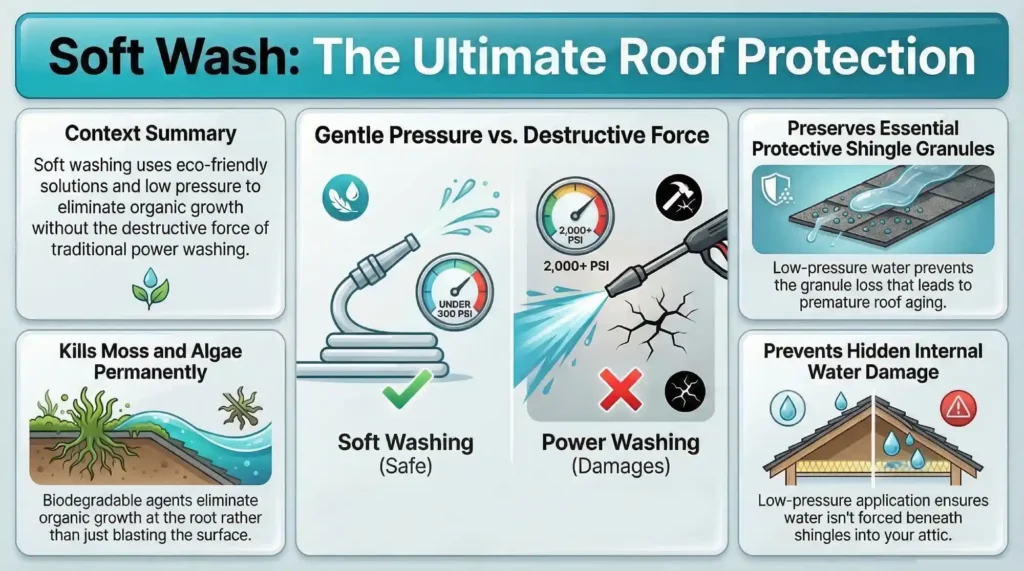
- Low-Pressure Water: Soft washing uses a pressure of 300 PSI or less, which is far less forceful than the 2,000-3,000 PSI used in traditional pressure washing. The low-pressure water allows for the effective removal of contaminants without harming the roof.
- Safe for Shingles: Because the pressure is much lower than in pressure washing, soft washing is completely safe for asphalt shingles, clay tiles, metal roofs, and wood shakes. It doesn’t risk loosening granules, cracking tiles, or forcing water beneath the shingles.
Why Soft Wash Roof Cleaning Is Safer for Shingles
Unlike pressure washing, soft washing uses a low-pressure system (under 1,000 PSI) combined with specialized cleaning agents. This is the preferred method within our cleaning services because it kills organic growth at the root without physical force. The most significant advantage of soft wash roof cleaning is that it does not damage shingles or other roofing materials. Here are the primary benefits:
- Granule Protection: Soft washing helps preserve the protective granules on asphalt shingles, which are essential for UV protection and preventing premature aging. Since soft washing uses low-pressure water, it eliminates the risk of granule loss associated with pressure washing.
- Prevents Water Damage: Because there’s no high-pressure force, soft washing eliminates the risk of forcing water beneath shingles. This reduces the chances of leaks and water damage to the roof deck and attic.
- Effectively Removes Organic Growth: Soft wash cleaning is highly effective at removing moss, algae, and mold, which can deteriorate shingles over time. This helps maintain the roof’s integrity and prevent the growth from damaging your roof further.
- Longer Roof Lifespan: Soft washing doesn’t harm the roof’s materials, which helps extend its lifespan. By regularly soft washing your roof, you can prevent damage and ensure that your roof lasts for many years without needing replacement. By protecting the granules, you delay the need for a full roof replacement.
Benefits of Soft Wash Roof Cleaning
Extended Roof Lifespan
Soft wash roof cleaning plays a significant role in extending the lifespan of your roof. Since the process doesn’t damage shingles or other roofing materials, it helps preserve the roof’s protective layers, preventing premature aging. Over time, moss, algae, and dirt can trap moisture and accelerate the breakdown of your roof. Soft washing removes these contaminants and prevents further damage, ensuring your roof remains in good condition for longer.
- Preserves Roof Health: By removing the buildup of organic growth and dirt, soft washing keeps your roof healthy and free from the factors that cause deterioration.
Increased Curb Appeal
A clean roof not only protects your home but also enhances its appearance. Soft wash roof cleaning removes stains, moss, and algae, restoring the roof’s natural color and texture. This can significantly improve the curb appeal of your home, making it look well-maintained and fresh.
- Aesthetic Improvement: Homes with clean roofs are more attractive to potential buyers and neighbors. A well-maintained roof enhances the overall look of your property and increases its value.
Preventing Moss, Algae, and Mold Growth
One of the primary reasons homeowners choose soft wash roof cleaning is its ability to prevent and eliminate moss, algae, and mold from growing on the roof. These growths not only affect the aesthetic appearance but can also cause damage to shingles and other roofing materials.
- Moss and Algae Prevention: By regularly cleaning your roof with soft wash techniques, you can prevent these growths from taking hold and damaging the shingles. Soft washing is a proactive method of maintaining the roof’s cleanliness and health.
Comparing Pressure Washing vs. Soft Wash Roof Cleaning
When it comes to roof cleaning, choosing the right method is critical for maintaining your roof’s health and ensuring its longevity. Pressure washing and soft washing are both popular techniques, but they differ significantly in their effects on your roof. In this section, we will compare both methods to help you understand why soft wash roof cleaning is the safer and more effective option.
Pressure Washing: The High-Risk Method
Pressure washing may seem like a quick solution to cleaning your roof, but it comes with significant risks that can lead to costly repairs. The force of high-pressure water is too much for delicate roofing materials, such as shingles, tiles, and shakes. Here’s a breakdown of the risks associated with pressure washing your roof:
Excessive Force
Pressure washing uses water at a very high pressure, often ranging from 2,000 to 3,000 PSI. This force is much higher than what most roofing materials, including asphalt shingles, wood shakes, and clay tiles, are designed to withstand. The powerful water pressure can break, lift, or crack shingles, leading to immediate damage. Over time, this constant abuse can weaken the roof and cause shingles to break or shift.
Water Damage
One of the most significant risks of pressure washing is the potential for water infiltration. The high-pressure water can force its way beneath the shingles, into the roof deck, and even into the attic. This can cause leaks, promote wood rot, and lead to mold growth inside the home. This type of damage is often hidden and can go undetected until it causes more severe issues, leading to costly repairs.
Granule Loss and Roof Deterioration
Asphalt shingles are coated with small granules that protect them from the sun’s UV rays and help with water resistance. Pressure washing can dislodge these granules, exposing the shingles to further damage. Once these granules are lost, the shingles are left unprotected, which can accelerate the aging process and reduce the roof’s lifespan.
Not Suitable for All Roofing Materials
Pressure washing is particularly damaging to asphalt shingles, wood shakes, and clay tiles. These materials are not designed to withstand high-pressure water, and using this method can significantly shorten the roof’s life expectancy. For metal roofs, pressure washing can cause surface scratches and dents, further compromising the roof’s integrity.
Soft Washing: The Safer, More Effective Option
In contrast to pressure washing, soft wash roof cleaning is a gentle and effective method that preserves the integrity of your roof. Below are the key reasons why soft washing is a safer and more beneficial option for maintaining your roof:
Low-Pressure Cleaning
Soft wash roof cleaning uses a low-pressure water system, typically under 1,000 PSI. This is far gentler than pressure washing, making it ideal for cleaning delicate roofing materials without causing harm. The lower pressure ensures that asphalt shingles, clay tiles, metal roofs, and wood shakes are not damaged during the cleaning process. By using low-pressure water, soft washing effectively removes dirt, algae, moss, and debris without any risk to the shingles.
Preserves Granules and Roof Materials
Unlike pressure washing, which can strip away the protective granules from asphalt shingles, soft washing protects these granules. By using low pressure and eco-friendly cleaning solutions, soft washing maintains the roof’s protective layer, ensuring the shingles remain intact. This helps to extend the roof’s lifespan and reduces the likelihood of needing premature repairs or replacements.
No Risk of Water Infiltration
Since soft wash roof cleaning uses low pressure, there is no risk of forcing water beneath the shingles, which is one of the biggest dangers of pressure washing. Water infiltration can lead to leaks, mold, and wood rot, but with soft washing, the risk of moisture penetration is minimized. This ensures that your roof’s structure remains intact and prevents further water damage.
Effectively Removes Moss, Algae, and Mold
Soft wash roof cleaning is highly effective in eliminating moss, algae, and mold that can grow on your roof. These growths can trap moisture, which accelerates roof degradation. Soft wash cleaning removes these growths without damaging the shingles, ensuring that your roof stays clean and functional for years.
Safe for All Roofing Types
Soft washing is safe for all types of roofing materials, including asphalt shingles, clay tiles, slate, and metal roofs. Unlike pressure washing, which can damage specific materials, soft washing can be used on any roof type without causing harm. This makes it the best option for homeowners who want to protect their roofs while keeping them clean.
Soft Wash vs. Pressure Wash Roof Cleaning: Quick Comparison
| Feature | Soft Wash Roof Cleaning | Pressure Wash Roof Cleaning |
| Water Pressure | Low pressure (under 1,000 PSI) | High pressure (2,000–3,000 PSI) |
| Safety for Shingles | Safe for all roofing materials, preserves shingles and granules | Risk of damage to shingles, granule loss, and water infiltration |
| Effectiveness | Effective at removing moss, algae, mold, dirt, and debris | Effective for surface dirt but can miss deeper contamination |
| Risk of Water Damage | No risk of water infiltration or leaks | High risk of forcing water beneath shingles, causing leaks |
| Environmental Impact | Uses biodegradable, eco-friendly cleaning agents | Can be harmful to plants and the environment due to chemicals |
| Impact on Roof Lifespan | Extends roof lifespan by preserving shingles and granules | Shortens roof lifespan due to granule loss and material damage |
| Roof Types | Safe for asphalt shingles, clay tiles, wood shakes, metal roofs | Can damage asphalt shingles, wood, and tile roofs |
| Cleaning Solution | Uses non-toxic, biodegradable solutions | No cleaning solutions, uses only water and high pressure |
When Is the Best Time to Soft Wash Your Roof?
The timing of when to soft wash your roof can impact the effectiveness of the cleaning process and the overall condition of your roof. Here are the best times to consider for scheduling a soft wash roof cleaning:
Ideal Timing for Roof Cleaning
The ideal times for roof cleaning are typically during spring and fall. These seasons offer mild weather conditions, which makes the cleaning process easier and more effective. The cooler temperatures also ensure that your roof has enough time to dry after cleaning, preventing water retention that could lead to further damage.
After Storms
After a storm, it’s a good idea to inspect and clean your roof to remove any debris such as branches, leaves, and other materials that may have accumulated. Soft washing can also eliminate any moss or algae growth triggered by the damp conditions left behind by the storm. Cleaning your roof after a storm helps to restore its appearance and maintain its functionality.
Before Winter
If you live in a region with cold winters, it’s beneficial to soft wash your roof before the first snowfall. It is highly beneficial to clean your roof before the first snowfall. Debris and moss can trap moisture, which is a leading cause in preventing roof ice dams from forming and damaging your gutters. A clean roof will allow snow and rain to flow off more easily, reducing the risk of leaks or moisture retention.
How Covenant Roofing Can Help With Soft Wash Roof Cleaning
At Covenant Roofing, we specialize in soft wash roof cleaning, providing a safe, effective, and eco-friendly method to clean your roof. Our experienced team uses state-of-the-art equipment and biodegradable cleaning solutions to remove dirt, algae, moss, and debris from your roof, preserving its integrity and extending its lifespan.
Professional Soft Wash Services
Our soft wash roof cleaning services are designed to safely clean your roof without causing any damage. Whether you have asphalt shingles, metal roofs, or tile roofs, we tailor our cleaning methods to suit your roof’s specific needs, ensuring it remains in excellent condition.
Roof Inspections and Maintenance
Before we begin any cleaning, we offer a free roof inspection to assess the condition of your roof. During the inspection, we identify any areas that may need repairs or maintenance, helping to prevent further damage down the line.
Roof Repair and Replacement Services
If we identify any damage during the inspection, we provide roof repair and replacement services to address issues early on. Soft washing your roof not only improves its appearance but can also reveal hidden damage that needs attention.
Frequently Asked Questions (FAQs)
Is soft washing safe for all types of roofs?
Yes, soft washing is safe for asphalt shingles, metal roofs, clay tiles, slate, and wood shakes. The process uses low-pressure water combined with gentle cleaning agents, ensuring that no damage is done to the roofing materials while effectively cleaning the roof.
How often should I soft wash my roof?
It is recommended to soft wash your roof every 2-3 years, depending on the level of moss, algae, or debris buildup. If you live in an area with high humidity or frequent storms, you may need to clean your roof more often to prevent organic growth from damaging the shingles.
Can soft washing remove moss and algae from my roof?
Yes, soft washing is highly effective at removing moss, algae, and lichen from your roof. The biodegradable cleaning solutions used in the soft wash method break down these growths and wash them away without damaging the roof’s materials.
Why should I choose soft washing over pressure washing for my roof?
Soft washing is a gentler method that uses low pressure, which helps preserve your roof’s granules, shingles, and tiles. Pressure washing, on the other hand, uses high-pressure water that can damage the roofing materials, leading to granule loss, leaks, and other costly damage.
How long does soft washing take?
The time it takes to soft wash a roof depends on the size of the roof and the extent of the cleaning needed. On average, the process can take a few hours. However, soft washing is efficient and thorough, allowing you to see the results almost immediately after the service.
Final Thoughts
When it comes to roof cleaning, pressure washing can cause serious, long-term damage to your shingles, tiles, and other roofing materials. It may seem like an easy solution, but the high-pressure water can strip away granules, cause water infiltration, and shorten the lifespan of your roof. In contrast, soft wash roof cleaning is a safe, effective, and environmentally friendly method that preserves the integrity of your roof while thoroughly cleaning it.
At Covenant Roofing, we specialize in soft wash roof cleaning, ensuring your roof stays clean and intact for years to come. Our low-pressure cleaning method effectively removes moss, algae, and dirt without causing any damage, helping you maintain the longevity and appearance of your roof.
Don’t risk damaging your roof with pressure washing. Contact Covenant Roofing today for a professional soft wash roof cleaning service, and let us help you keep your roof in excellent condition.