Table of Contents
- What Advanced Roofing Solutions Actually Mean
- Advanced Roofing Solutions vs Conventional Systems: Side-by-Side
- Alternative Roofing Materials and What They Cost
- Shingle vs Metal Roofing: Which Alternative Fits Your Home
- Roof Repair vs Roof Replacement: How to Decide
- Your Roofing Contractor Estimate Checklist
- Lifecycle Cost, Energy Efficiency, and Climate Suitability
- Conclusion
- Frequently Asked Questions
Last Updated: October 19, 2026
What Advanced Roofing Solutions Actually Mean
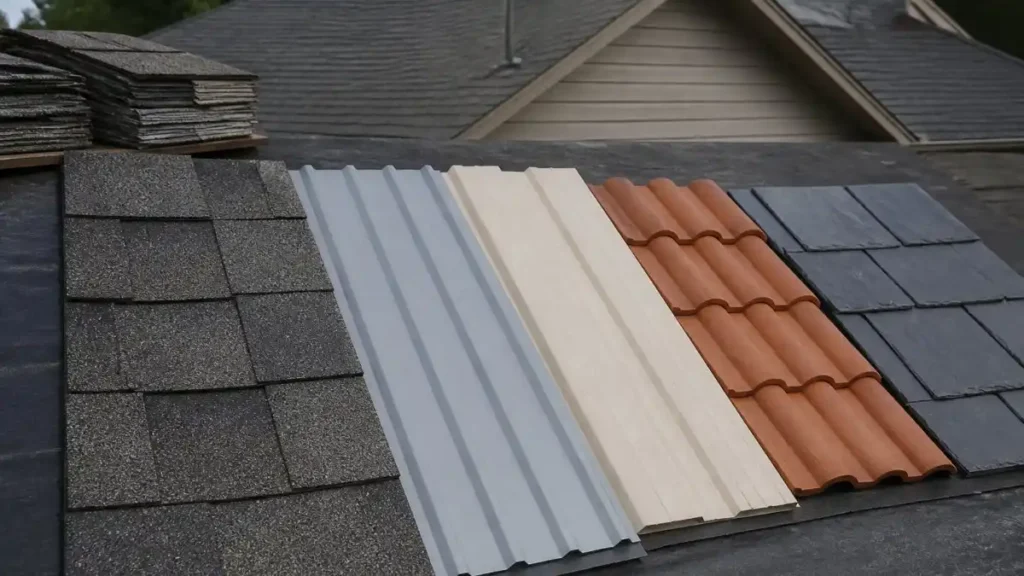
Advanced roofing solutions are roofing systems and materials that go beyond basic asphalt shingles in durability, energy performance, or weather resistance. The term covers metal, slate, tile, synthetic, and membrane systems, plus the installation methods and warranties that come with them.
At Covenant Roofing & Restoration, we get asked about these alternatives constantly, usually by homeowners who are tired of replacing the same roof every couple of decades. That is the real appeal: fewer replacements over the life of the house.
Here is the catch most guides skip. “Advanced” does not automatically mean better for your home. A premium system installed on a roof deck that cannot handle it performs worse than a basic shingle roof installed correctly. Material choice only pays off when it matches your climate, your roof pitch, and your budget.
Below, we break down how these systems compare to conventional roofs, what drives cost, and how to read a contractor’s estimate without getting lost in the line items.
Advanced Roofing Solutions vs Conventional Systems: Side-by-Side
The core difference comes down to lifespan, maintenance, and upfront cost. Conventional asphalt shingle roofs cost the least to install and the most to replace over time. Advanced systems cost more upfront and ask less of you afterward.
| System | Typical Lifespan | Upfront Cost Tier | Maintenance Profile | Energy Behavior | Climate Fit |
|---|---|---|---|---|---|
| Asphalt shingle | 20-25 years | Lowest | Low; granule loss, occasional flashing repair | Low reflectivity; heat gain depends on shingle color and attic ventilation | Broad; standard pitches, moderate climates |
| Metal (standing seam) | 40-70 years | High | Very low; fasteners and sealant checks every few years | High solar reflectance with cool-roof coatings; sheds snow | Storm, hail, and high-wind regions; snow country |
| Synthetic composite | 30-50 years | Medium-high | Low; impact and fire resistant | Moderate; reflective versions available | Hail belts, wildfire-adjacent areas, slate-look budgets |
| Slate | 75+ years | Highest | Low; occasional flashing and fastener inspection | Low reflectivity; heavy thermal mass | Historic and premium builds; structure must support load |
| Tile (clay/concrete) | 50+ years | High | Low; broken-tile replacement, underlayment renewal | Good reflectivity in light colors; ventilated tile systems perform best | Hot climates, Mediterranean styles, wildfire zones |
| Rubber membrane (EPDM) | 15-25 years | Low-medium | Moderate; seam and puncture inspection | Low reflectivity unless coated; heat gain on flat decks | Flat and low-slope roofs; commercial and porch applications |
Lifecycle cost, not sticker price. Divide the installed cost by the years of service, then add maintenance and replacement costs. A shingle roof replaced three times over 60 years carries three tear-offs, three disposal fees, and three periods of disruption.
Energy performance. Metal and reflective tile reduce heat gain in summer, which can lower cooling loads. The savings depend on attic insulation and ventilation as much as the surface material, a premium roof over an under-ventilated attic will not deliver the expected benefit.
Climate suitability. In hail and high-wind regions, impact-rated metal and composite products earn their premium through reduced storm damage and insurance-friendly documentation. In hot climates, reflective materials and proper ventilation do the heavy lifting. On flat or low-slope sections, membrane systems outperform anything pitched.
Compare systems on lifecycle cost, energy behavior, and climate fit, not on upfront price alone. The cheapest roof is rarely the least expensive roof over the years you own the home.
Alternative Roofing Materials and What They Cost
Pricing for alternative roofing materials depends on material, roof complexity, pitch, and local labor, so any honest contractor will tell you a firm number requires an on-site look. What we can give you is how the materials rank against each other.
Metal roofing sits at the top of the durability scale for most homes. Standing seam panels handle wind and hail well, reflect heat, and need almost no maintenance.
Synthetic composite products mimic slate or cedar at a fraction of the weight and price. They resist fire and impact and work on most roof pitches.
Slate and tile last the longest and look the best on the right house. Both are heavy, so your roof structure needs to support them, and installation requires specialized skill.
Rubber membrane (EPDM) is the workhorse for flat and low-slope roofs. It is affordable, seals well, and installs fast. It also has the shortest lifespan on this list and needs periodic inspection.
Skipping a structural assessment before choosing a heavy material like slate or tile is the most expensive mistake we see. If the framing cannot carry the load, you are looking at reinforcement costs that can rival the roofing bill itself.
Shingle vs Metal Roofing: Which Alternative Fits Your Home
Shingle wins on upfront cost and installer availability. Metal wins on lifespan, weather resistance, and energy performance. The right choice depends on how long you plan to stay and what your climate throws at the roof.
Asphalt shingles remain the default for good reason. They are budget-friendly, available in wide color ranges, and any qualified roofer can install them. If you are selling in a few years or working within a tight budget, shingles make sense.
Metal roofing costs more but pays that back over decades. It sheds snow, resists wind uplift, and reflects solar heat, which can ease cooling loads in summer. In an area that sees severe storms, metal’s impact resistance matters more than the price gap.
One insider note: the quality of the install matters more than the material debate. A poorly flashed metal roof leaks. A carefully installed shingle roof with proper underlayment and ice-and-water shield performs for decades.
Roof Repair vs Roof Replacement: How to Decide
Repair when the damage is isolated and the roof has years of service left. Replace when the roof is near the end of its lifespan, damage is widespread, or repairs keep recurring.
Schedule An Appointment Today →
Use this checklist to sort it out:
- Is the roof past 75% of its expected lifespan? Lean replace.
- Is damage confined to one area, like a single flashing or a few shingles? Lean repair.
- Have you repaired the same spot more than twice in three years? Lean replace.
- Is the decking soft or sagging anywhere? Lean replace.
- Are granules collecting in gutters or shingles curling across the whole roof? Lean replace.
- Is the damage storm-related and potentially insurance-covered? Get an inspection before deciding.
How the decision shifts by system. On an asphalt shingle roof near year 18, a repair buys time but rarely changes the replacement date.
Insurance mechanics matter more than the checklist. Storm damage claims have deadlines, and the documentation a contractor produces drives the outcome. A proper inspection includes dated photos of the damage, moisture readings, a written scope, and a clear separation of storm-caused damage from wear and tear.
The repair-spending threshold. A common pattern is to compare cumulative repair spending against the cost of replacement. When repairs approach a meaningful share of replacement cost and the roof is already past the midpoint of its service life, replacement usually wins on lifecycle cost.
Do not authorize a repair that hides a structural problem. Soft decking, sagging framing, or repeated leaks in the same area often indicate an underlying issue that a surface repair will not fix, and on heavy systems like slate or tile, the structural question must be answered before any repair is scheduled.
That last point deserves attention. A contractor who documents damage properly and separates storm damage from wear and tear makes the insurance process smoother. We have built our practice around that step because it is where homeowners get stuck most often.
Your Roofing Contractor Estimate Checklist
A good estimate is itemized, written, and specific. If a bid is a single number on a business card, ask for more before you sign anything.

Run every bid through this list:
- Scope in writing. Tear-off, decking replacement, underlayment, flashing, vents, and cleanup should each be listed.
- Materials named by brand and product line. “Architectural shingles” is not specific enough.
- Warranty terms spelled out. Manufacturer coverage and workmanship coverage are two different things.
- Timeline with start and completion dates. Vague timelines are where projects stall.
- Payment schedule tied to milestones. Never pay the full balance upfront.
- License and insurance verification. Ask for proof, not assurances.
- Communication plan. Who updates you, how often, and through what channel.
Ask each contractor how they handle change orders before work begins. The best bids include a written process for unexpected decking damage, so you are not negotiating price mid-project with your roof open to the sky.
Lifecycle Cost, Energy Efficiency, and Climate Suitability
Lifecycle cost is where advanced roofing solutions separate themselves from conventional ones. Divide the installed cost by the years of service, then add maintenance and replacement costs. A roof that lasts twice as long at twice the price is roughly a wash on material, but it saves you one full tear-off, one set of disposal fees, and weeks of disruption.
Energy performance adds another layer. Metal and reflective tile roofs reduce heat gain in summer, which can lower cooling costs. Ventilation and insulation matter just as much as the surface material, though, and a premium roof over an under-ventilated attic will not deliver the savings you expect.
Climate suitability decides which system makes sense. In hail and high-wind regions, impact-rated metal and composite products earn their premium. In hot climates, reflective materials and proper ventilation do the heavy lifting. On flat or low-slope sections, membrane systems outperform anything pitched.
The best roofing system is the one matched to your climate, roof structure, and how long you plan to own the home. Material prestige means nothing if the installation or the structure underneath cannot support it.
Conclusion
Choosing among advanced roofing solutions comes down to matching material to your home, your climate, and your timeline, not chasing the most expensive option on the market. The wrong system installed well still underperforms the right system installed correctly.
That is where Covenant Roofing & Restoration comes in. As a licensed Tennessee building contractor and GAF factory-certified company, we install both shingle and metal systems, help homeowners navigate insurance claims, and put our scope, timeline, and warranty terms in writing before work starts. Our 4.9/5 rating across 48 Google reviews reflects the relational approach we bring to every project.
Schedule an appointment today and get an itemized estimate you can actually compare.
Frequently Asked Questions
What is the best roofing solution for a home?
There is no single best option. Asphalt shingles remain the most common choice for affordability and easy repair, while metal roofing lasts longer and handles wind and hail better. Flat roof systems like TPO and EPDM suit low-slope sections. The right pick depends on your roof pitch, budget, and how long you plan to stay. Ask a licensed contractor to compare advanced roofing solutions against conventional ones for your specific roof design before committing.
Is TPO or EPDM cheaper?
EPDM usually carries a lower material cost than TPO, but TPO often performs better in heat and reflects more sunlight, which can lower cooling bills. For a flat roof in a hot climate, the energy savings can offset the higher upfront price over time. Get both quoted on the same square footage so you compare installed cost, not just material cost, and ask about seam warranty terms for each.
How much does roof replacement typically cost?
Roof replacement cost varies widely by material, roof size, pitch, and local labor. Asphalt shingle roofs generally sit at the lower end, metal and tile at the higher end. Because pricing depends on your specific roof, ask for a written itemized estimate that separates materials, labor, tear-off, and disposal. A licensed contractor should walk you through the numbers line by line rather than quoting a single lump sum.
What are the alternatives to replacing an entire roof?
If damage is isolated, roof repair or a partial replacement may extend the roof’s life. Roof restoration coatings can add years to certain flat and metal systems. Overlay installations exist but are limited by code and weight. A contractor should inspect the decking and flashing before recommending any alternative, since hiding a failing substrate under new material usually costs more later.
What should I look for in a roofing company’s warranty?
Check two things: the manufacturer’s material warranty and the contractor’s workmanship warranty. Material coverage often prorates over time, and workmanship terms vary from one year to decades. Confirm the warranty transfers if you sell the house, and that it covers labor, not just shingles. Factory certification, like GAF certification, can extend material coverage when the installer is approved.