Table of Contents
- What Drives Residential Roof Inspection Services Cost
- What Is Included in a Roof Inspection
- Roof Inspection Checklist: What a Thorough Evaluation Covers
- Roof Inspection Duration and Inspection Type
- Questions to Ask a Roofing Contractor Before You Book
- When a Roof Inspection Cost Is Worth It: Insurance, Real Estate, and Maintenance
- Frequently Asked Questions
Last Updated: October 7, 2026
What Drives Residential Roof Inspection Services Cost
Residential roof inspection services cost varies widely because no two roofs are the same.
This guide from Covenant Roofing & Restoration breaks down what moves the number, what you get for your money, and when a paid inspection is worth it.
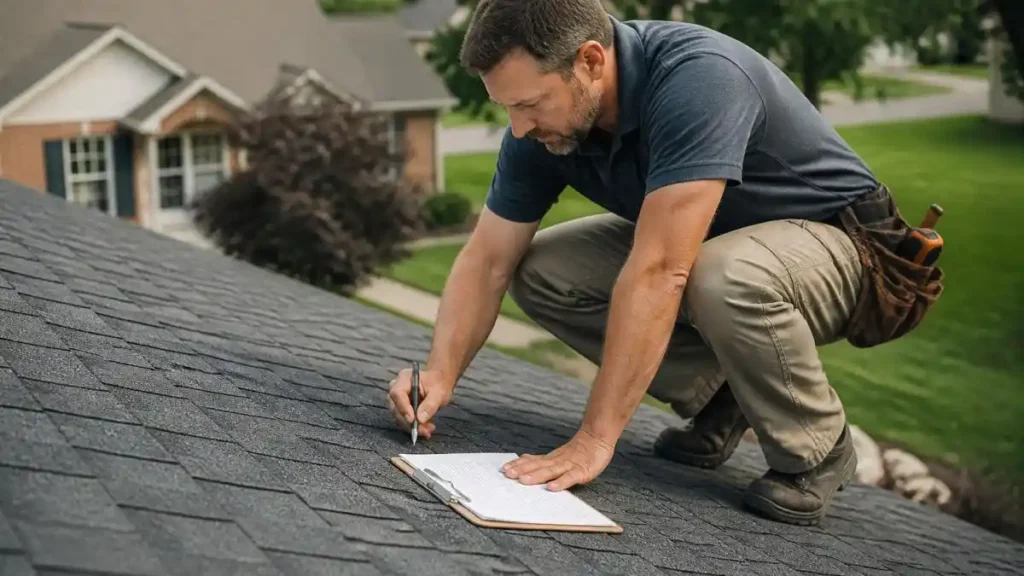
A residential roof inspection is a professional evaluation of your roof’s condition: a qualified inspector checks the shingles, flashing, gutters, attic, and structural elements, then documents the findings in a written report.
Three things drive almost every quote: size, access, and complexity. Below, we walk through each one.
Roof Size and Square Footage
Square footage is the starting point for most inspectors. A roof under 1,500 square feet takes under an hour to walk. A roof over 3,000 square feet can take two to three hours. More area means more time, more photos, and a longer report. Expect the fee to rise with the size of the home.
Roof Pitch, Accessibility, and Safety Equipment
A steep roof changes everything. When the slope is too steep to walk safely, the inspector needs harnesses, roof anchors, and sometimes a ladder assist. That gear and the extra time add to the price. The same is true for roofs blocked by trees, power lines, or tight lot lines.
Roof Material, Condition, and Complexity
Material matters too. A simple shingle roof is quick to inspect, while tile, metal, and flat roofs take longer because the inspector checks seams, fasteners, and drainage differently. Valleys, chimneys, skylights, and poor condition all add time, since the inspector must move carefully and document more damage.
| Cost Factor | What Raises the Fee | What Keeps It Lower |
|---|---|---|
| Roof size | Over 3,000 sq ft | Under 1,500 sq ft |
| Pitch and access | Steep slope, tall home | Walkable, low slope |
| Material | Tile, metal, flat | Standard shingle |
| Complexity | Valleys, dormers, skylights | Simple gable roof |
| Condition | Active leaks, storm damage | Well-maintained roof |
What Is Included in a Roof Inspection
A standard paid inspection covers a full visual review of the roof system, not just the shingles.
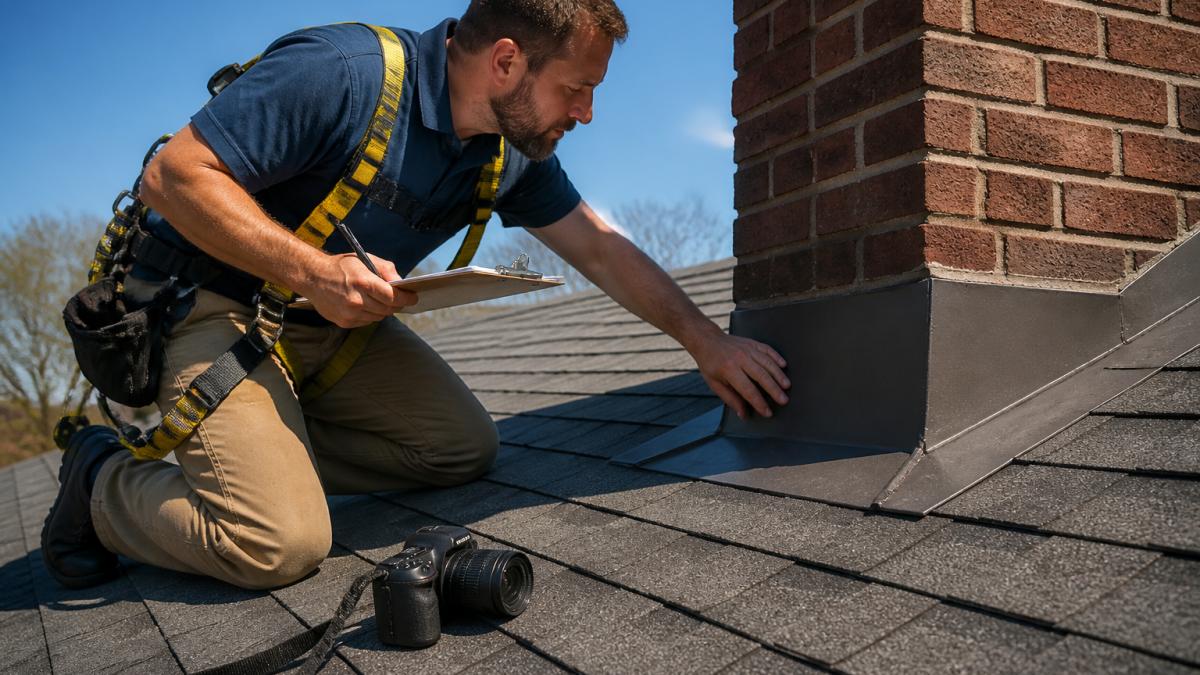
A good inspection also covers what you cannot see from the ground: the attic for water stains, soft decking, and daylight, plus how the roof meets the walls and how water drains away.
What a Standard Paid Inspection Typically Includes
Most base-price inspections bundle the same core items. Confirm each one is in your quote before you book:
- Roof surface walk-through: shingles, tiles, or panels checked for cracking, curling, granule loss, and missing fasteners
- Flashing and penetrations: chimney, vent, skylight, and valley flashing checked for rust, separation, and failed sealant
- Gutters and downspouts: checked for clogs, sagging, loose hangers, and granule buildup that signals shingle wear
What Usually Costs Extra
Base pricing rarely covers everything. These items are commonly billed as add-ons, so ask which apply to your roof:
- Drone imaging: used when a roof is too steep, too tall, or too fragile to walk safely; often adds a flat fee or a per-flight charge
- Thermal (infrared) imaging: detects trapped moisture and hidden leaks that a visual check misses; usually priced per roof area or as a flat add-on
- Full attic and crawlspace inspection: adds time and access work, especially in tight or finished spaces
What Is Not Part of a Roof Inspection
A roof inspection is not the same as a roof certification, an engineering evaluation, or a repair estimate. A certification is a signed statement of remaining life, often required by a lender or insurer, and usually costs more. An engineering evaluation is a separate service, and a repair estimate is a bid, not a condition report. Knowing which document you need prevents paying for the wrong service.
Ask for the report scope in writing before you book. If the quote does not list the attic check, the photo count, or the report format, assume they are not included.
The Written Inspection Report and Repair Recommendations
The report is the real product. A thorough one includes photos of every issue, a plain-language summary, and repairs ranked by urgency. Ask for this in writing before you book, a verbal “it looks fine” is not a report.
A useful report separates findings into three buckets: immediate repairs, items to monitor, and items in good condition. It should also note the roof’s approximate age and any signs replacement is approaching.
Roof Inspection Checklist: What a Thorough Evaluation Covers
A complete inspection follows a set list so nothing gets missed. Use this checklist to see what a real evaluation includes:
- Roof surface: shingles, tiles, or panels checked for cracks, curling, and missing pieces
- Flashing: checked around chimneys, vents, and valleys for rust or gaps
- Gutters and downspouts: checked for clogs, sagging, and granule buildup
Ask the inspector to point out the three most urgent issues in plain language before they leave. A good inspector will show you the photos on the spot, not just email a report days later.
Roof Inspection Duration and Inspection Type
How long a roof inspection takes depends on the type and the roof itself. A basic visual inspection of a simple roof can take 45 minutes. A full inspection with an attic check and drone work can run two to three hours.
The type of inspection also changes the scope:
- Visual inspection: eyes and hands on the roof, plus a ground-level walkaround
- Drone inspection: aerial photos for steep or hard-to-reach roofs
- Thermal inspection: heat imaging to find trapped moisture
A longer inspection is not always a better one. What matters is whether the report answers your questions and gives you a clear next step.
Schedule An Appointment Today →
Questions to Ask a Roofing Contractor Before You Book
The right questions save you money and headaches. Before you book any inspection, ask how the fee is set, what the report includes, and who will actually be on your roof. Get the answers in writing when you can.
How to Compare Quotes and Verify Credentials
Comparing quotes is not just about the lowest number. Ask each contractor these questions, then compare the answers side by side:
- Is the inspector licensed and insured?
- Is the inspector independent, or do they also sell the repairs?
- What exactly does the report include?
- Are drone, thermal, or attic checks included or extra?
- How soon will I get the written report?
- What happens if you find damage?
How to Verify an Inspector’s Qualifications
Licensing rules for roof inspectors vary by state and locality. Some states license home inspectors and roofing contractors; others have no specific license for inspection alone. A practical verification routine:
- Check the license or registration with your state or local licensing board, and confirm the status is active, not expired or suspended
- Ask for a certificate of insurance showing general liability and, where required, workers’ compensation coverage; call the insurer to confirm the policy is current
- Look for manufacturer certifications such as those offered by major shingle manufacturers, which require training and can signal a higher standard of work
Independence and Conflicts of Interest
A contractor who also sells repairs has a built-in reason to find problems. That is not automatically bad, but you should know it going in.
A company offering a “free” inspection is often using it as a sales call. That can be fine if you understand the trade-off: you may get a thorough look, but the recommendation will lean toward repair or replacement.
How to Compare Two Quotes Side by Side
Put the quotes in the same format so the differences are visible:
| Item | Quote A | Quote B |
|---|---|---|
| Base fee | ||
| Roof size covered | ||
| Attic check included | ||
| Drone or thermal included | ||
| Photo count | ||
| Report turnaround | ||
| Re-inspection included | ||
| Total out-the-door price |
If one quote is much lower, the difference is usually scope, not skill: a low quote often skips the attic, limits the photo count, or delivers a verbal summary instead of a written report.
The cheapest quote often skips the attic and the report. You end up paying twice when you hire someone else to find the real problem. Always ask what is included before you compare fees.
Red Flags to Watch For
- A quote given over the phone without seeing the roof or asking about its size and pitch
- Pressure to sign a repair contract during the inspection
- No written report offered, or a report promised only after you commit to repairs
Questions That Change the Price
A few answers directly move the number you pay. Ask these before you compare final fees:
- How is the fee structured? Flat rate, hourly, or by roof square? Flat rates are easier to compare.
- Is the fee credited toward repairs? Some contractors apply the inspection fee to the repair invoice if you hire them; that can be a real savings, but it also ties the inspection to a sales relationship.
- What is the turnaround on the report? Standard is often 24 to 72 hours; rush service usually costs more.
- Does the price change with roof height or pitch? Two-story and steep roofs commonly cost more because of access and safety equipment.
The goal is not the lowest fee. It is the most complete report for the fee, from an inspector whose findings you can trust.
When a Roof Inspection Cost Is Worth It: Insurance, Real Estate, and Maintenance
A paid inspection pays for itself in three situations: an insurance claim, a home sale, and routine upkeep. In each case, the report gives you proof of your roof’s condition.
For insurance claims, a written report with photos supports your case. According to the Insurance Information Institute’s guidance on homeowners insurance, documenting roof condition early helps when you file a storm damage claim.
Timing matters too. Book an inspection after any major storm, before you list your home, and once a year for older roofs. If you spot a leak or missing shingles, do not wait.
The best time to inspect a roof is before you have a problem. A small fee now can save a full replacement later.
At Covenant Roofing & Restoration, we are a licensed Tennessee building contractor and GAF factory-certified company. We help homeowners understand what a roof inspection should include and how to use the report, and we help navigate insurance claims so you are not left to fight the process alone.
Frequently Asked Questions
How much does a residential roof inspection cost?
Residential roof inspection services cost depends on roof size, pitch, material, and inspection type. A basic visual inspection on a single-story shingle roof typically falls at the lower end, while steep, multi-level, or tile roofs with drone or thermal add-ons cost more. Many roofing contractors provide free inspections when you are considering a repair or replacement. Always request a written estimate before work begins.
Do roofing companies charge for roof inspections?
Many roofing contractors offer free inspections as part of a repair or replacement quote because they hope to earn the project. Standalone inspections, especially those for real estate transactions or insurance documentation, usually carry a fee. Ask upfront whether the inspection fee is credited toward future work. A licensed Tennessee contractor should provide a written scope of what the inspection covers before scheduling.
How long does a roof inspection take?
Roof inspection duration ranges from 30 minutes for a simple visual check on a small ranch home to over two hours for a steep, complex roof with attic and thermal scans. Drone inspections can finish in 20 to 30 minutes. Weather, accessibility, and the number of roof sections all affect timing. Ask the inspector to estimate duration when you book so you can plan your day.
What should I ask a roofing contractor before scheduling an inspection?
Ask whether the inspector is licensed in Tennessee, whether the inspection fee is credited toward repairs, what the written report includes, and how long the inspection will take. Confirm whether drone or thermal imaging costs extra. Request proof of insurance and a sample report. A GAF factory-certified contractor like Covenant Roofing & Restoration can also explain whether your situation qualifies for an insurance claim inspection.
A roof problem never picks a convenient time, and the cost of waiting is almost always higher than the cost of a look. If you are unsure whether your roof needs attention, Covenant Roofing & Restoration can help. We offer clear communication, honest assessments, and support with insurance claims from start to finish. Schedule an appointment today and get a straight answer about your roof.