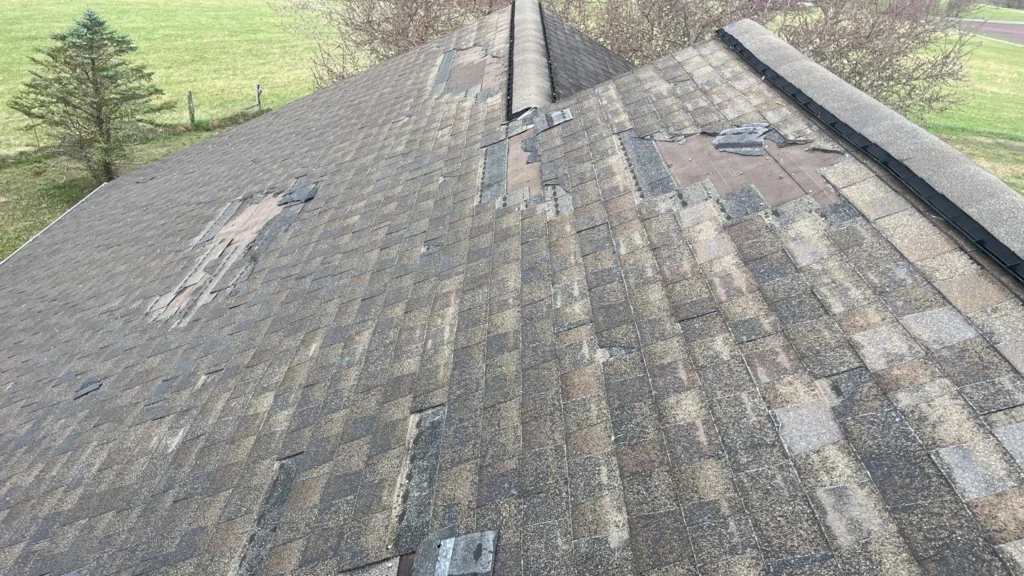
Living in Greeneville, TN means enjoying beautiful landscapes and close-knit neighborhoods, but it also means facing severe weather events that can threaten your home. Tornadoes, heavy rains, hail, and strong winds are common during storm season, and even a single storm can cause wind damage, hail damage, and debris impact that compromise your roof and interior. Many homeowners only realize the damage after leaks, ceiling stains, or structural problems appear, making repairs costly and stressful. The key to protecting your property is proactive storm season preparation, knowing your roof’s vulnerabilities, and calling on professional roofing services when necessary. This guide helps Greeneville homeowners understand, prepare, and protect their roofs while staying safe during extreme weather.
Understanding Roof Storm Damage in East Tennessee
East Tennessee experiences unique storm conditions that can heavily impact residential roofs. During storm season, your property is exposed to high winds, hail, heavy rain, and falling branches, all of which can damage key roof components like shingles, tiles, flashing, vents, gutters, and even chimneys. Understanding how these events affect your roof helps homeowners take the right preventative steps.
1. Wind Damage
High winds can lift shingles or tiles, expose your roof decking, and damage flashing around chimneys, vent boots, and skylights. This often leads to water infiltration, which can affect attic insulation and ceilings, resulting in long-term structural issues if left unaddressed. Strong gusts can also dislodge debris like tree limbs or outdoor furniture, causing debris impact that punctures or scratches roof surfaces.
2. Hail Damage
Hailstones, even small ones, can crack shingles, dent tiles, and strip granules from asphalt roofing. Impact-resistant shingles provide some protection, but repeated hail exposure can weaken roof material over time. Damage may not be immediately visible, so professional inspections are critical after hailstorms to prevent hidden leaks and attic moisture problems.
3. Heavy Rain and Water Damage
Prolonged or intense rainfall exposes roof weaknesses, including gaps in flashing, lifted shingles, or clogged gutters. Water pooling on low-sloped areas can seep under shingles, compromising roof decking and creating ice dams or water stains in ceilings during the winter months. Wet attic insulation can reduce energy efficiency and increase mold development risk, emphasizing the importance of roof inspection and maintenance.
4. Debris Impact
Falling branches, tree limbs, and other airborne debris during storms can puncture shingles, crack tiles, and bend metal flashing. Even minor debris impact can cause leaks, weaken the roof structure, and accelerate wear on other roof components. Greeneville homeowners with large trees near their homes should trim overhanging branches before storm season to minimize this risk.
5. Winter Weather Effects
Although storms are more common in spring and summer, ice, snow, and sleet can exacerbate pre-existing roof damage. Ice dams form when melted snow refreezes along roof edges, causing water to back up under shingles and create leaks. Over time, repeated winter weather can weaken roof decking, flashing, and attic insulation, increasing vulnerability during the next severe storm.
Why Understanding Damage Matters
Recognizing how tornadoes, severe storms, wind damage, hail damage, and debris impact affect your roof is essential for homeowners in Greeneville. Early detection through visual inspection, attic checks, and professional assessment can prevent small issues from turning into expensive repairs or full roof replacement. Knowledge of your roof’s vulnerabilities empowers you to schedule preventative measures, reduce risks during storm season, and protect your home and family.
Pre‑Storm Protection: Prepare & Fortify Your Roof
Preparation is the most effective way to protect your roof from storm damage, high winds, hail, and heavy rain in East Tennessee. Homeowners in Greeneville can significantly reduce repair costs and extend the lifespan of their roofs by addressing vulnerabilities before storm season begins. This section covers practical steps, professional services, and homeowner actions to safeguard your property.
Schedule a Professional Roof Inspection
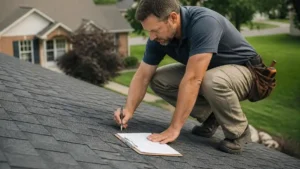
A professional inspection is the foundation of storm readiness. Licensed roofing contractors, like the team at Covenant Roofing, examine every roof component, including shingles, tiles, flashing, gutters, vents, skylights, and chimneys. They identify weak points where wind damage, hail impact, or debris penetration is likely. Inspections help homeowners detect minor issues such as loose shingles, damaged flashing, or compromised roof decking before severe storms hit. Additionally, professional documentation from inspections supports insurance claims if storm damage occurs.
Benefits of a professional inspection:
- Detect hidden damage invisible from ground level
- Assess roof vulnerability to high winds and hail
- Review attic and ceiling conditions for moisture or insulation problems
- Provide recommendations for repairs, reinforcement, or replacement
By scheduling an inspection before the peak storm season, Greeneville homeowners can proactively address issues that could lead to water infiltration, mold development, and structural compromise.
Clean and Maintain Gutters and Downspouts
Clogged gutters and downspouts are a common cause of storm-related roof damage. When leaves, twigs, and debris block water flow, heavy rainfall can back up under shingles or overflow onto the roof deck, leading to leaks, ice dams, and interior water damage. Regular gutter maintenance ensures proper drainage and prevents standing water that can deteriorate roof components.
Homeowner checklist for gutters:
- Remove debris at least twice a year and after heavy storms
- Check for bent or detached gutter sections
- Ensure downspouts direct water away from the foundation
- Consider gutter guards for added protection during summer storms
A well-maintained gutter system complements professional inspections and reduces the risk of roof leaks, ceiling stains, and interior water damage during severe storms.
Trim Overhanging Trees and Remove Yard Hazards
Falling branches are a leading cause of debris impact damage to roofs in Greeneville. Trees located too close to the home can puncture shingles, dent tiles, or damage flashing during high winds or tornadoes. By trimming overhanging branches and removing dead or weak trees, homeowners reduce the likelihood of shingle loss, broken vents, and gutter damage.
Tips for tree maintenance:
- Trim branches at least 10 feet away from the roof edges
- Remove dead or unstable trees before storm season
- Regularly inspect trees for disease or structural weakness
- Secure outdoor furniture or lightweight objects that could become airborne
Combining tree maintenance with professional roof inspection ensures your property is storm-ready, preventing minor hazards from escalating into serious roof damage.
Reinforce Vulnerable Roof Components
Even a well-maintained roof can have weak points susceptible to wind damage, hail damage, and heavy rain infiltration. Reinforcing shingles, flashing, underlayment, and vent boots can significantly improve your roof’s resilience. Installing hurricane clips or additional fasteners strengthens the roof structure against high winds and debris impact.
Areas to focus on reinforcement:
- Shingles and tiles: replace damaged or aged shingles; use impact-resistant shingles for enhanced durability
- Flashing around chimneys, vents, skylights: seal and reinforce to prevent water intrusion
- Roof penetrations: secure plumbing vents, exhaust vents, and skylights with upgraded sealants
- Underlayment: install or upgrade ice/water barriers to protect decking and attic insulation
By proactively reinforcing these components, Greeneville homeowners can prevent minor roof issues from turning into costly post-storm repairs.
Choose Roofing Materials That Withstand Storms
Selecting storm-resistant roofing materials is a long-term investment in your home’s safety. Materials that handle wind, hail, and heavy rain reduce the likelihood of damage during East Tennessee storms.
Material options and benefits:
| Material | Benefits | Considerations |
| Architectural shingles | High wind rating, durable, attractive | Moderate cost |
| Impact-resistant shingles | Resists hail and debris impact | Slightly higher cost |
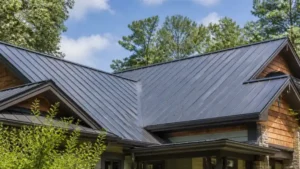
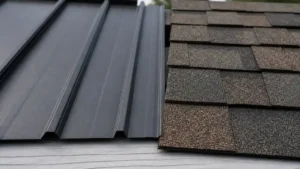
| Metal roofing (standing seam) | Excellent wind resistance, long lifespan | Professional installation required |
| Ice & water shield underlayment | Protects roof decking and attic insulation | Adds prep cost but is critical in winter storms |
Choosing the right materials, combined with professional installation, ensures long-term roof protection, reduced insurance claims, and peace of mind during storm season.
Create a Pre-Storm Preparedness Plan
Greeneville homeowners should combine professional services and preventive actions into a comprehensive pre-storm plan. This includes scheduling inspections, maintaining gutters, trimming trees, reinforcing roofing components, and documenting roof condition with photos. Keeping emergency tarps and contractor contacts ready ensures fast response if severe weather strikes.
A simple checklist for pre-storm preparedness:
- Professional roof inspection and documentation
- Gutter cleaning and water flow verification
- Tree trimming and yard hazard removal
- Roof reinforcement and material upgrades
- Emergency tarp and contact readiness
This proactive approach protects your home against storm damage, high winds, hail, falling debris, and winter weather effects, and ensures a fast, safe recovery if damage occurs.
Post-Storm Response and Long-Term Roof Maintenance
Even with careful preparation, severe storms, tornadoes, hail, heavy rain, and falling debris can affect your roof. Knowing the right steps to take after a storm ensures your home remains safe, damage is minimized, and long-term roof performance is preserved.
Conduct a Safe Visual Roof Inspection
After a storm, a visual inspection is the first step. Homeowners should avoid climbing the roof if conditions are unsafe. Instead, walk around the property, use binoculars, and inspect the roof components for visible issues. Check for:
- Missing, lifted, or cracked shingles
- Damaged tiles or flashing around chimneys and skylights
- Bent, clogged, or detached gutters and downspouts
- Debris on the roof or in the yard
- Signs of water intrusion in attic insulation or ceilings
Documenting these issues with photos and notes is crucial for insurance purposes and helps professionals provide an accurate repair assessment. If there is any doubt about structural safety, contact licensed roofing contractors immediately.
Inspect the Interior of Your Home
Storm damage isn’t always visible from the outside. Attic spaces, ceilings, and roof penetrations are often the first places water can enter. During a post-storm inspection, check:
- Damp insulation or musty odors in the attic
- Water stains or discoloration on ceilings and walls
- Active leaks during or after rainfall
- Dark corners or corners near roof penetrations for moisture buildup
Early detection prevents mold growth, wood rot, and long-term structural issues, reducing the cost and complexity of repairs. Greeneville homeowners should document these findings and share them with a professional roofer.
Emergency Tarping and Temporary Protection
If your roof has active leaks, missing shingles, or punctures from debris, using an emergency tarp can protect your home until permanent repairs are completed. Covenant Roofing provides fast and safe emergency tarping services, ensuring interiors remain dry and minimizing further storm damage.
Tips for emergency tarping:
- Secure the tarp over the damaged area without causing additional stress to roof components
- Avoid stepping on weakened shingles or tiles
- Contact professionals immediately for permanent repair
Temporary measures like tarps prevent water infiltration, ceiling stains, and attic damage, buying time for insurance claims and professional restoration.
Work with Insurance and Documentation
Storm damage often qualifies for homeowner’s insurance claims. Accurate documentation and professional inspection reports increase the likelihood of coverage. Steps to follow include:
- Take timestamped photos of all visible damage
- Keep receipts for emergency repairs or materials
- Share inspection reports from licensed contractors
- Notify your insurance provider promptly and follow their claim procedures
Having professional guidance ensures you avoid common pitfalls, like misidentifying minor damage, which could lead to claim denial.
Avoid DIY Repairs That Can Make Damage Worse
While small roof fixes may seem simple, attempting DIY repairs after a storm can worsen the situation. Common mistakes include:
- Improperly securing lifted shingles or tiles
- Sealing leaks without addressing underlying damage
- Creating entry points for water under flashing or vents
DIY errors can result in water infiltration, mold, and structural compromise, often increasing repair costs. Hiring licensed roofing professionals like Covenant Roofing ensures safety and correct repairs, protecting your home for years to come.
Long-Term Roof Maintenance and Storm Preparedness
Storm protection is not just a one-time task. Establishing a long-term maintenance plan keeps your roof resilient against seasonal weather and unexpected storms:
- Annual professional inspections to identify wear or damage
- Post-storm checkups to catch minor issues before they escalate
- Gutter cleaning and downspout maintenance twice a year
- Flashing and seal inspections around chimneys, vents, skylights, and valleys
- Shingle replacement as needed and reinforcement of weak areas
Regular maintenance ensures that your roof, attic insulation, and gutters are always ready for storms. Combining inspections, preventative measures, and timely repairs extends roof life and protects your property investment.
Why Local Expertise Matters
Choosing a local roofing contractor in Greeneville, TN provides peace of mind. Professionals familiar with East Tennessee’s storm patterns understand:
- Common causes of wind damage, hail damage, and debris impact
- How winter weather effects like ice dams compromise roofing
- Best materials and reinforcements for long-term storm resilience
Covenant Roofing offers reliable roof repair, replacement, and maintenance services tailored to local conditions. Their team ensures safe, timely, and effective solutions for homeowners before and after storms.
Frequently Asked Questions
Q1: How soon should I inspect my roof after a storm?
You should safely inspect your roof within 24–48 hours, checking shingles, flashing, gutters, and the attic for leaks or damage. Early action helps prevent minor issues from turning into costly repairs.
Q2: When should I call a professional roofing contractor?
Contact a licensed roofer if shingles are missing, flashing is damaged, leaks are visible, or the roof feels unsafe to walk on. Professionals can assess hidden damage and ensure safe repairs.
Q3: Can emergency tarps help after storm damage?
Yes, temporary tarps protect your home from water intrusion and preserve interior safety. Proper installation also supports documentation for insurance claims.
Q4: How often should I schedule inspections to keep my roof storm-ready?
Schedule professional inspections at least once a year and after every major storm. Regular checkups keep shingles, flashing, gutters, and attic systems in optimal condition.
Q5: What roofing materials offer the best long-term storm protection?
Impact-resistant shingles, architectural shingles, standing seam metal roofing, and upgraded underlayment are ideal for withstanding wind, hail, and heavy rain.
Final Thought
Storms in Greeneville, TN, including tornadoes, severe storms, high winds, hail, and heavy rain, pose a serious risk to your home. Protecting your roof requires a combination of preparation, professional inspection, reinforcement, and maintenance. Storms in Greeneville, TN can strike unexpectedly, but your roof doesn’t have to suffer. From hail and wind to heavy rain and debris, Covenant Roofing is here to help homeowners protect and restore their roofs with fast, professional service.
If your home has experienced recent storm conditions or you want to prepare for the next one, contact Covenant Roofing today for a free inspection and expert guidance. Protect your home before damage escalates.