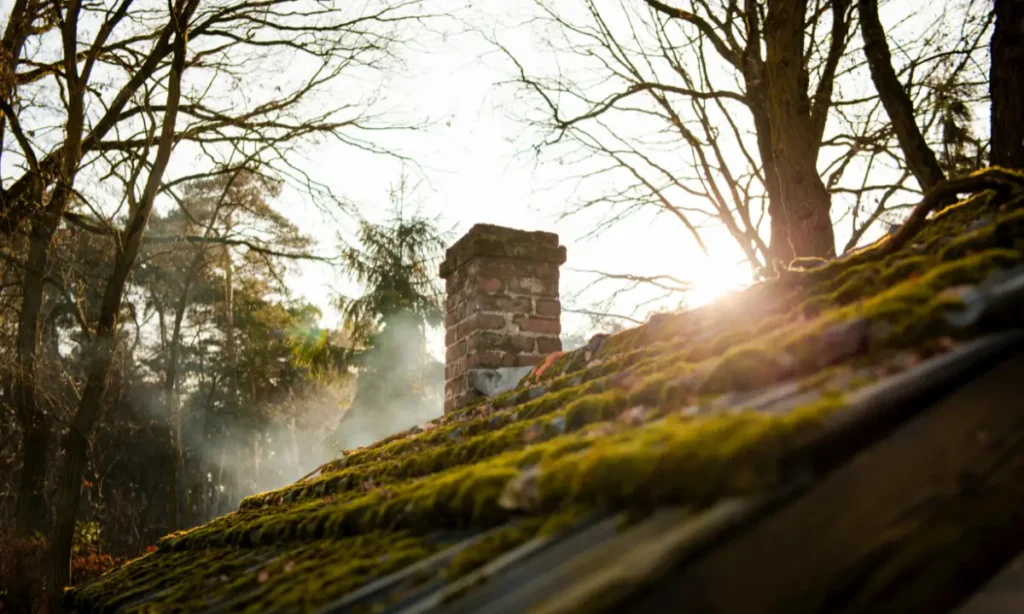
Moss growth on your roof may seem like a minor nuisance at first, but it can quickly lead to significant problems if left unchecked. In Greeneville, TN, where the combination of high humidity and frequent rain creates the perfect environment for moss to thrive, it’s essential to take action before moss causes damage to your roof. Moss doesn’t just affect the aesthetics of your roof, it can damage shingles, block gutters, and even lead to water leaks or wood rot if left untreated. The key to maintaining a healthy, durable roof is knowing how to safely and effectively remove moss.
We’ll explain why moss grows on your roof, how it affects your shingles, and the best methods to safely remove it. We will also highlight the safest solution, soft wash roof cleaning, to ensure your roof stays in great condition for years to come.
Why Moss Grows on Roofs and the Impact on Roof Health
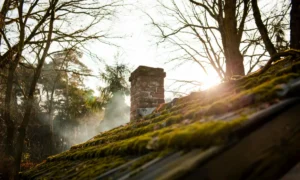
Moss thrives in moist, shaded environments, which makes roofs with limited sunlight especially vulnerable. In regions like Greeneville, TN, where high humidity and frequent rain are common, roofs often become a breeding ground for moss. Moss grows best on north-facing roofs or those with overhanging trees, where the shade prevents the roof from drying out after rainfall.
How Moss Affects Your Roof
While moss may appear harmless, it can cause serious damage to your roof over time. Here’s how:
- Moisture Retention: Moss holds moisture against the roof, creating an environment conducive to mold growth and wood rot. The excess moisture can seep beneath shingles, causing structural damage to the roof deck and attic.
- Shingle Damage: As moss grows, it can lift and crack shingles, leading to shingle deterioration. This weakens the roof and exposes it to further damage from wind and rain.
- Granule Loss: For asphalt shingles, moss growth can cause granule loss, which diminishes the shingles’ ability to protect your home from UV rays and the elements. This granule loss accelerates aging and shortens the lifespan of the roof.
- Blocked Drainage: Moss can obstruct gutters, causing water to back up on the roof. This water buildup leads to water damage in the roof structure and can even cause foundation issues if left unchecked.
How to Safely Remove Moss from Your Roof
Manual Moss Removal
Manual moss removal involves physically scraping the moss off the roof using safe, gentle tools like a soft-bristle brush. This method is effective for small areas with light moss buildup.
- Step 1: Use a sturdy ladder to access your roof safely, ensuring proper roof safety measures (e.g., harnesses or non-slip shoes).
- Step 2: Use a soft-bristle brush to gently scrub the moss off, starting from the ridge and working your way down the roof. Be sure to avoid using abrasive brushes that could damage shingles.
- Step 3: After removing the moss, rinse the roof with a garden hose to remove any remaining debris. Use low-pressure to avoid causing further damage to the shingles.
This method is ideal for small moss patches but may not be effective for larger infestations or stubborn growth.
Using Moss Removal Solutions
There are many commercial moss removal solutions available that kill moss effectively without damaging the roof. These products are typically applied to the roof and allowed to sit for a period of time before being scrubbed away.
- Step 1: Apply the moss remover to the affected areas, following the manufacturer’s instructions carefully.
- Step 2: Let the solution sit for 15-30 minutes to break down the moss.
- Step 3: After the moss has been killed, use a soft-bristle brush to scrub the affected areas and rinse with water to remove any leftover moss and cleaning solution.
Chemical treatments are effective but can be harsh on the environment, so it’s important to use biodegradable products when possible.
Zinc or Copper Strips for Preventative Moss Removal
One of the best long-term solutions for preventing moss is installing zinc strips or copper flashing along the roof’s ridge. These materials gradually release ions that kill moss and prevent it from regrowing.
- Step 1: Install zinc strips or copper flashing along the ridge or beneath the shingles to gradually kill the moss.
- Step 2: Over time, the metals will continue to release ions that prevent new moss growth, reducing the need for frequent cleaning.
This method is a great way to protect your roof from moss growth, especially in areas prone to high moisture.
Why Soft Wash Roof Cleaning is the Best Solution for Moss Removal
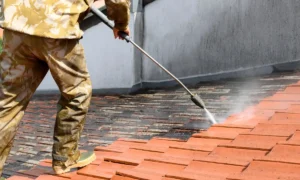
Soft wash roof cleaning uses low-pressure water combined with biodegradable cleaning agents to safely clean your roof without causing damage. Unlike pressure washing, which uses high-pressure water that can harm shingles, soft washing ensures a thorough cleaning without risking the integrity of your roof materials.
Why Soft Wash is the Best Option for Moss Removal
- Protects Roofing Materials: Soft washing uses low-pressure (under 1,000 PSI), which is safe for shingles, tiles, and other roofing materials. This protects the granules on asphalt shingles and avoids shingle cracking and lifting that can result from high-pressure cleaning.
- Long-Lasting Results: Soft washing doesn’t just remove moss; it also kills the moss spores, preventing new growth from taking root. This results in a cleaner roof that stays moss-free for a longer period.
- Eco-Friendly: The cleaning solutions used in soft washing are biodegradable and safe for the environment. Unlike pressure washing or harsh chemical treatments, soft washing doesn’t harm your landscape or surrounding plants.
- Safe for All Roof Materials: Soft washing is effective for all roof types, including asphalt shingles, clay tiles, wood shakes, and metal roofs. It’s the safest method for cleaning any roof material.
Best Practices for Preventing Moss Growth on Your Roof
Once moss has been removed from your roof, it’s crucial to take steps to prevent it from returning. Moss thrives in specific conditions, but with proper care and regular maintenance, you can make your roof less hospitable to moss and algae. Here are the best practices for keeping your roof clean and moss-free in the future.
Regular Roof Inspections and Maintenance
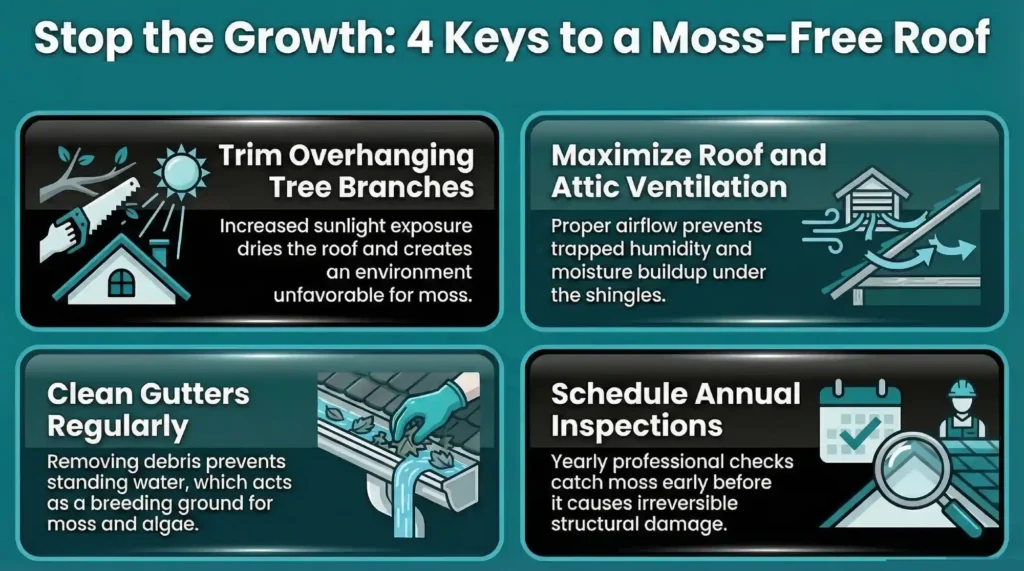
Routine roof inspections are key to identifying moss growth early, before it can spread and cause damage. It’s recommended to have your roof inspected at least once a year, or after severe weather events, to check for signs of moss or algae. Regular inspections can catch potential problems early, allowing for quick intervention before the moss causes irreversible damage.
In addition to moss removal, Covenant Roofing offers comprehensive roof maintenance services, including soft wash roof cleaning, to keep your roof in top condition. With our expert care, you can extend the lifespan of your roof and keep it free from moss and other harmful growths.
Trim Trees to Allow Sunlight
Moss thrives in shaded areas, making roofs with overhanging trees more prone to moss growth. Trimming back branches and allowing more sunlight to reach the roof can significantly reduce the moisture that moss needs to grow. By cutting back tree limbs and improving sunlight exposure, you can create an environment that’s less favorable for moss development.
While pruning trees may not completely prevent moss, it’s one of the most effective methods to reduce moss growth over time. It’s a simple step that can help keep your roof dry, healthy, and moss-free.
Improve Roof Ventilation
Proper roof ventilation is essential for maintaining a dry roof. Moisture is one of the key factors that contribute to moss growth, so ensuring that your roof has adequate airflow can prevent moisture buildup. Inadequate ventilation can lead to trapped humidity under the roof, providing the perfect breeding ground for moss.
Attic ventilation is particularly important for maintaining a healthy roof environment. By installing or improving roof ventilation systems, you can reduce the chances of moss and algae growth. Proper ventilation also helps regulate temperatures in your attic, which further protects your roof from moisture and keeps it in great condition. Removing organic debris is a vital part of knowing how to prepare your roof for winter, as frozen moss can expand and damage your shingles during the freeze-thaw cycle.
Regular Gutter Cleaning
Clogged gutters can trap water on the roof, creating an ideal environment for moss growth. Regular gutter cleaning ensures that water can flow off the roof properly, preventing standing water that would otherwise encourage moss and algae development.
Ensure that gutters are cleared of debris such as leaves, twigs, and dirt, especially during the fall and after storms. Keeping gutters clean helps water flow freely, reducing the risk of water buildup on the roof and decreasing the likelihood of moss forming. If left untreated, clogged gutters can also cause water damage to your roof deck and foundation, making maintenance even more critical.
When to Call a Professional for Moss Removal
While smaller moss patches can be dealt with through DIY methods, large infestations or hard-to-reach roofs should be handled by professionals. We’ll also tell when it’s time to call in Covenant Roofing for professional moss removal services and why hiring a pro is often the best choice.
DIY vs. Professional Moss Removal
While it may seem tempting to remove moss yourself, larger infestations or difficult-to-reach sections of the roof are best handled by professionals. Here’s a breakdown of when it’s better to call in the experts:
- Large Moss Infestations: If your roof has widespread moss growth that is too difficult to remove with DIY methods, a professional roof cleaning service is your best bet. Professionals have the equipment, experience, and safety training necessary to remove moss thoroughly and safely.
- Steep or High Roofs: Cleaning moss from steep or high-pitched roofs is dangerous without the proper tools and safety gear. Covenant Roofing uses specialized equipment like safety harnesses and ladders to ensure that moss removal is done safely without the risk of injury.
- Persistent Moss Growth: If moss keeps growing back quickly, it’s a sign that there may be underlying issues with your roof that need attention. Professionals can perform a thorough roof inspection to identify problems such as poor roof ventilation, blocked gutters, or excessive shade, and recommend the best solutions.
Why Choose Covenant Roofing for Moss Removal
At Covenant Roofing, we specialize in soft wash roof cleaning and moss removal. Here’s why we are the best choice for your roof:
- Expert Team: Our team has years of experience and the knowledge needed to clean all types of roofs safely. Whether you have asphalt shingles, tile, or wood shakes, we can remove moss without damaging your roofing materials.
- Eco-Friendly Solutions: We use biodegradable, safe cleaning agents that effectively kill moss without harming your roof, landscaping, or the environment.
- Preventative Treatments: In addition to cleaning your roof, we offer preventative solutions such as zinc or copper strips, which inhibit future moss growth and ensure your roof stays moss-free for longer periods.
- Roof Inspections and Maintenance: We don’t just remove moss; we also inspect your roof for any damage that may have occurred due to moss buildup. Our team will provide you with a full roof inspection and recommend any necessary repairs.
Frequently Asked Questions (FAQs)
How do I remove moss from my roof?
To safely remove moss, use a soft-bristle brush or moss removal solution. Soft wash roof cleaning is the safest method as it uses low-pressure water and biodegradable cleaning agents to remove moss without damaging the shingles.
Is soft washing safe for my roof?
Yes, soft washing is safe for all roof types, including asphalt shingles, metal roofs, tile roofs, and wood shakes. The process uses low pressure, making it gentle on your roof while providing an effective clean.
How often should I clean moss off my roof?
It’s recommended to clean your roof every 2-3 years or sooner if moss, algae, or debris accumulate. Regular cleaning and maintenance can help prevent moss from causing damage and preserve your roof’s health.
Can moss damage my roof?
Yes, moss traps moisture and can cause significant damage to your roof, leading to wood rot, shingle deterioration, and leaks. It can also strip granules from shingles, reducing their effectiveness and shortening the roof’s lifespan.
What is the best moss removal solution?
The best moss removal solutions are biodegradable and eco-friendly products like potassium salts of fatty acids and zinc sulfate. Soft washing is the safest way to apply these solutions to your roof.
Final Thoughts
Moss removal is a critical step in maintaining the health and longevity of your roof. While pressure washing can cause damage to your shingles, soft wash roof cleaning is a safe, effective, and environmentally friendly solution. By removing moss regularly and taking preventive measures, you can protect your roof from water damage and increase its lifespan. At Covenant Roofing, we specialize in moss removal, roof inspections, and soft wash roof cleaning. Our expert team uses safe, eco-friendly cleaning solutions to remove moss and prevent future growth. Contact us today for a free roof inspection and to schedule your moss removal service.