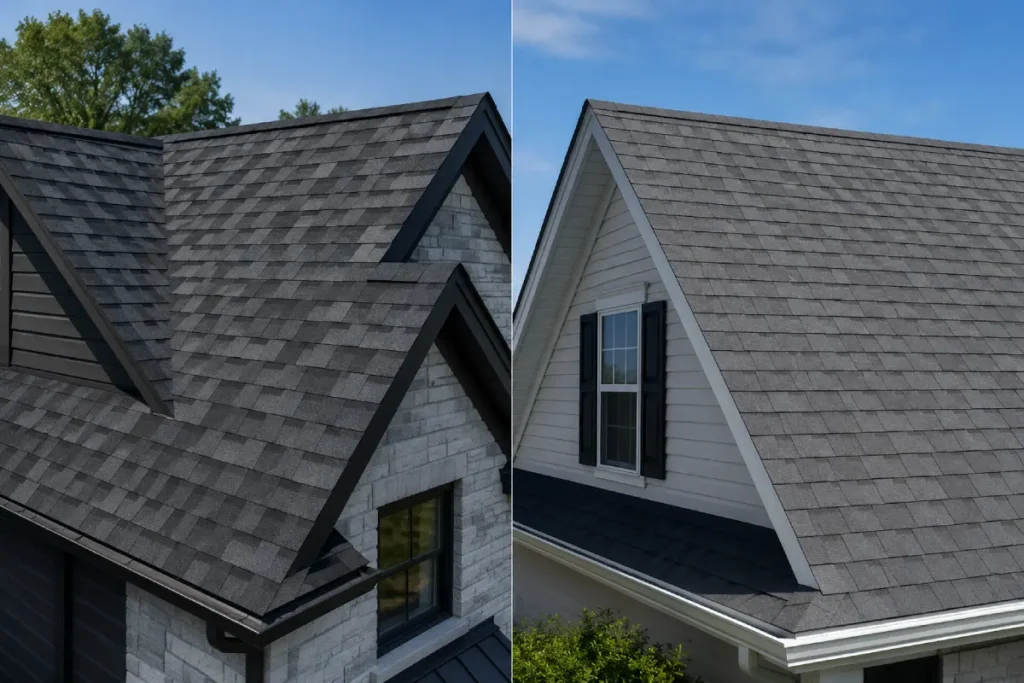
Homeowners in Greeneville, TN often face confusion during roof replacement because both 3-tab shingles and architectural shingles look similar at first, but perform very differently over time. A roof is not just a covering; it is the main barrier that protects your home from rain, wind, heat, and seasonal weather changes. The wrong choice can lead to early cracking, storm damage, and higher repair costs within a short period. This guide explains both options in a clear and practical way so you can choose based on real performance, not assumptions or marketing claims.
What Are Asphalt Shingles?
Asphalt Shingles are the most commonly used roofing material in residential construction across the United States. They are made using a combination of asphalt, fiberglass, granules, and adhesives, which together create a protective roofing layer. The asphalt acts as the waterproof base, while fiberglass provides structural strength and flexibility. On top, granules protect the shingles from UV rays and improve color durability. The adhesives help lock shingles together to prevent wind uplift. Companies such as Owens Corning, GAF, and CertainTeed manufacture different grades of 3-tab asphalt shingles for residential roofing systems. These materials are widely used in regions like Tennessee because they balance cost, durability, and installation ease.
What Are 3-Tab Shingles?
3-Tab Shingles are a traditional asphalt roofing material designed in a single-layer flat structure. Each shingle strip is divided into three equal sections or “tabs,” which creates a uniform pattern once installed on the roof. This type of shingle uses a simple fiberglass base covered with asphalt and protective granules. Because of its lightweight structure and lower material cost, it is often used in budget-focused roofing projects or older homes. In terms of performance, 3-tab shingles provide basic protection against rain and sun exposure. However, they are more vulnerable to wind damage and typically have a shorter service life compared to modern roofing options. They are commonly used in:
- Entry-level residential roofing projects
- Rental or investment properties
- Short-term roofing solutions
- Areas with mild weather exposure
What Are Architectural Shingles?
Architectural Shingles, also known as dimensional shingles, are a more advanced version of asphalt roofing. Unlike 3-tab shingles, they are built using multiple laminated layers that create a thicker and stronger structure. This layered design gives the roof a textured appearance that resembles natural materials like wood shakes or slate. The added thickness also improves resistance against wind, impact, and long-term weather exposure. Manufacturers like GAF and CertainTeed have developed architectural shingle systems that are now widely used in modern residential roofing. Products such as Owens Corning Duration, Duration FLEX, and Duration STORM shingles are designed for higher durability and storm protection.
Architectural shingles are commonly chosen for:
- Long-term residential homes
- Storm-prone regions like Tennessee
- Homeowners focused on durability and curb appeal
- Roof replacements aiming for higher property value
Key Structural Difference Between 3-Tab and Architectural Shingles
The main difference between these two roofing materials lies in their construction.
- 3-Tab Shingles are made using a single asphalt layer with a flat, uniform structure. This design keeps them lightweight and affordable, but limits their strength against harsh weather conditions.
- Architectural Shingles, on the other hand, use multiple bonded layers of asphalt and fiberglass. This makes them thicker, heavier, and more resistant to environmental stress. The layered structure also improves flexibility and reduces the chances of tearing or lifting during strong winds.
Why This Matters for Homeowners in Greeneville, TN
Greeneville experiences a mix of weather conditions, including rain, humidity, summer heat, and seasonal storms. These environmental factors slowly affect roofing materials over time. 3-tab shingles can handle normal conditions, but may begin to show wear earlier in areas with frequent wind or moisture exposure. Architectural shingles perform better under these conditions because their layered structure provides stronger resistance to wind uplift and water penetration.
This makes material selection an important decision for homeowners planning long-term protection rather than short-term savings. Homeowners comparing laminated and basic asphalt systems can start with a shingle roof replacement in Greeneville inspection to see which option fits their home, budget, and exposure conditions. For homeowners in Greeneville, TN, professional roofing guidance from a trusted local contractor like Covenant Roofing & Restoration can help ensure the right shingle type is selected for long-term protection and fewer repair needs.
Architectural vs 3-Tab Shingles – Quick Comparison
| Feature | 3-Tab Shingles | Architectural Shingles |
| Structure | Single-layer, flat design | Multi-layer, dimensional design |
| Lifespan | 7–20 years | 20–30+ years |
| Wind Resistance | ~60–70 mph | ~110–130 mph |
| Appearance | Basic, flat look | Premium, textured look |
| Cost | Lower upfront cost | Higher upfront cost |
| Durability | Moderate | High |
| Best Use | Budget or short-term roofs | Long-term residential roofing |
Durability & Lifespan Comparison
The biggest difference between 3-tab shingles and architectural shingles becomes clear over time. Both are made from the same base materials, asphalt, fiberglass, and granules, but the number of layers and bonding strength directly affect how long they stay in good condition.
- 3-tab shingles usually last around 7 to 20 years, depending on weather exposure and installation quality. In milder climates, they can reach the higher end of that range, but in areas with strong wind, rain, and temperature changes like Greeneville, TN, the lifespan is often shorter. The single-layer structure makes them more vulnerable to cracking and granule loss over time.
- Architectural shingles last significantly longer, typically around 20 to 30+ years. Their laminated multi-layer structure allows them to resist aging better. Even after years of exposure to sun, rain, and seasonal storms, they tend to maintain their shape and protective function for a longer period.
In simple terms, architectural shingles are built for long-term performance, while 3-tab shingles are more suitable for shorter-term roofing needs. If you are still unsure whether your current roof is near the end of its service life, consider when to replace your roof in Greeneville helps consider shingle type, aging, and local weather exposure.
Wind, Storm & Impact Resistance
Wind resistance is one of the most important factors for homeowners in Greeneville, TN, where seasonal storms and gusty winds can affect roof stability.
- 3-tab shingles generally have wind resistance ratings around 60 to 70 mph, depending on installation quality and manufacturer standards. This means strong storms or high wind events can sometimes lift or damage sections of the roof, especially if the shingles are older.
- Architectural shingles perform much better, with wind resistant shingles ratings often reaching 110 to 130 mph in premium product lines. Brands like Owens Corning Duration STORM Shingles are specifically designed for high-wind areas and improved storm protection.
The difference comes from structure. Architectural shingles are thicker, heavier, and use stronger adhesive bonding strips, which help them stay in place during wind uplift and heavy rain. This makes architectural shingles a better choice for homes in regions that experience frequent weather shifts and storm activity.
Weather Performance (Rain, Heat, Snow & Moisture Resistance)
Weather exposure plays a major role in roof lifespan, especially in Tennessee’s mixed climate conditions.
- 3-tab shingles provide basic protection against rain and sunlight, but can start losing granules faster when exposed to long periods of moisture or heat. Over time, this leads to reduced UV protection and surface weakening.
- Architectural shingles are designed to handle more extreme weather variations. Their thicker structure helps resist water penetration, and their stronger granule layer provides better UV protection. This reduces issues like curling, cracking, and algae growth.
In freeze-thaw conditions, which occur during colder months, architectural shingles also perform better because the layered construction reduces stress caused by expansion and contraction.
Cost Comparison (Upfront Price vs Long-Term Value)
Roofing cost analysis is one of the main reasons homeowners consider 3-tab shingles, but long-term value tells a different story.
3-Tab Shingles Cost
- Lower initial installation cost
- Typically used for budget-friendly roof replacements
- Easier and faster to install, reducing labor costs
Architectural Shingles Cost
- Higher upfront material and installation cost
- Heavier material increases installation effort
- Premium pricing due to better performance and durability
However, cost should not be judged only at installation. Over time, architectural shingles often reduce total roof replacement cycles, meaning fewer repairs and longer service life. This makes them more cost-efficient over a 20–30 year period. Industry research, including findings referenced by The Journal of Real Estate Finance and Economics, shows that upgraded roofing systems can also improve property value and buyer interest.
Warranty Differences
Warranty coverage reflects the confidence manufacturers have in their product.
- 3-tab shingles usually come with basic warranties that cover manufacturing defects but offer limited protection against weather-related damage. Coverage periods are shorter and often decrease in value over time.
- Architectural shingles come with stronger warranty options. Many manufacturers offer extended warranties that include higher coverage limits and longer protection periods. Before signing a contract, homeowners should also review the questions to ask before you hire a roofer so that warranty terms, certifications, and material specs are clearly explained in writing.
Some roofing systems, such as the Owens Corning Total Protection Roofing System, are designed to improve overall roof performance and warranty coverage when installed together.
Weight & Structural Impact (What Homeowners Often Overlook)
- Architectural shingles are heavier than 3-tab shingles because of their multi-layer construction. This added weight is not a problem for most modern homes, but older roofs may require inspection before installation.
- 3-tab shingles are lighter, which makes them easier to install and suitable for basic roof structures. However, the lighter structure also contributes to lower durability under strong wind or storm conditions.
A professional roofing inspection helps determine whether a home’s structure can safely support architectural shingles without issues. In Greeneville, TN, roofing performance is not just about material quality but also installation accuracy and weather adaptation. Many roofing problems happen when homeowners choose lower-cost shingles without considering long-term exposure to wind, rain, and humidity.
A proper roofing evaluation can help identify:
- Whether the existing roof structure supports architectural shingles
- Expected lifespan based on local weather conditions
- Cost difference over long-term ownership
- Risk level for storm damage and repairs
Local roofing contractors like Covenant Roofing & Restoration help homeowners choose the right shingle type based on real roof conditions, not just product pricing.
Aesthetic Appeal & Curb Value
Roof appearance plays a bigger role in home value than many homeowners realize. In real estate studies, roof visibility can influence up to a significant portion of curb appeal because it is one of the first things people notice.
- 3-tab shingles have a flat, uniform design. Each shingle lies in a single layer, which creates a simple and traditional look. While this style has been common for decades, it can sometimes appear outdated, especially on modern homes or upgraded properties.
- Architectural shingles, on the other hand, are designed with a layered, dimensional structure. This creates shadow lines and depth on the roof surface, giving it a more premium appearance. Many homeowners prefer this style because it resembles natural materials like wood shake or slate, which adds visual value to the home exterior.
This visual difference often affects resale value. Homes with architectural shingles tend to attract stronger buyer interest compared to basic 3-tab roofing.
Best Use Cases (Which Shingle Works for Which Home Type)
Choosing the right shingle type depends on budget, climate, and how long the homeowner plans to stay in the property.
3-Tab Shingles Work Best For:
- Budget-focused roof replacements
- Rental properties or investment homes
- Temporary or short-term roofing needs
- Areas with mild weather exposure
Architectural Shingles Work Best For:
- Long-term residential homes
- Storm-prone areas like Tennessee
- Homeowners focused on durability and resale value
- Properties requiring higher curb appeal
In regions like Greeneville, TN, where weather conditions include seasonal storms and humidity, architectural shingles are often a stronger long-term choice.
Expert Roofing Recommendation
From real roofing experience, the choice between 3-tab and architectural shingles often comes down to long-term thinking versus short-term savings.
- 3-tab shingles still have a place in roofing, especially for lower-cost projects. However, they are more vulnerable to wind damage, granule loss, and early aging. This means homeowners may need replacement sooner than expected.
- Architectural shingles have become the preferred option in modern roofing systems because they offer better storm resistance, longer lifespan, and improved overall performance. Many roofing contractors and material suppliers, including industry brands like GAF, Owens Corning, and CertainTeed, now focus heavily on architectural product lines due to market demand.
Reports and industry insights referenced by companies like Spartan StormShield and research discussions from EcoWatch also highlight the shift toward more durable roofing materials due to increasing weather variability.
Simple contractor insight:
A roof should not be chosen only based on upfront price. It should match:
- Local weather conditions
- Expected ownership duration
- Structural strength of the home
- Long-term maintenance expectations
For homeowners in Greeneville, TN, getting a proper inspection before residential roof replacement helps avoid early failures and unnecessary repair costs.
Frequently Asked Questions
What is the main difference between architectural and 3-tab shingles?
The main difference is structure. 3-tab shingles are single-layer and flat, while architectural shingles are multi-layered and more durable.
Which shingles last longer?
Architectural shingles last longer, usually around 20–30+ years, compared to 3-tab shingles which last about 7–20 years.
Are architectural shingles worth the extra cost?
Yes, because they offer better durability, higher wind resistance, and longer lifespan, reducing long-term replacement costs.
Do architectural shingles improve home value?
Yes, their dimensional appearance and longer lifespan can improve curb appeal and resale value.
Which shingles are better for storm-prone areas like Tennessee?
Architectural shingles perform better due to higher wind resistance and stronger bonding layers.
Why are 3-tab shingles still used today?
They are used mainly for budget roofing projects, rental properties, or short-term installations.
Final Verdict
Choosing between architectural vs 3-tab shingles depends on budget and long-term expectations.
- If the goal is low upfront cost, 3-tab shingles can work for short-term roofing needs.
- If the goal is long-term durability, storm protection, and better home value, architectural shingles are the stronger choice.
For homeowners in Greeneville, TN, where roofs face seasonal storms, humidity, and temperature changes, architectural shingles are often the more practical investment over time. A roof is not just a material expense; it is a long-term protection system for your home. Choosing the right shingle type helps reduce repair frequency, improve weather resistance, and maintain property value for years. For roofing installation, inspection, or storm damage repair, Covenant Roofing & Restoration provides local support focused on long-term roofing performance and correct material selection based on real on-site evaluation.