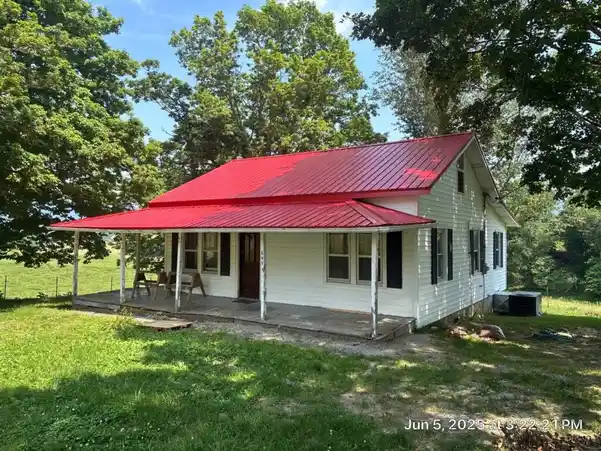
Homeowners in Greeneville, TN often deal with hot, humid summers and mild but sometimes unpredictable winters. These weather shifts put constant pressure on roofs and directly affect indoor comfort and electricity bills. Many older asphalt shingle roofs absorb heat, which pushes attic temperatures higher and forces air conditioners to work harder. Metal roofing can reduce heat absorption by reflecting solar radiation, especially when combined with proper coatings and insulation. This guide explains how the energy efficiency of metal roofing in Tennessee works in real conditions, how it affects monthly utility costs, and why it has become a strong choice for residential roofing upgrades in areas like Greeneville.
Why Metal Roofing Improves Energy Efficiency in Tennessee Homes
A roofing system improves home energy performance by reducing heat absorption and stabilizing indoor temperatures. Tennessee homes often face long stretches of sunlight during summer, which causes traditional roofing systems to trap heat. Metal panels work differently by reflecting a large portion of solar radiation before it enters the attic space.
Key energy benefits include:
- Lower attic heat buildup during peak summer hours
- Reduced load on cooling systems such as AC units
- More stable indoor temperatures throughout the day
- Less heat transfer through roof decking
Homes with proper insulation and ventilation see even stronger results. A well-installed metal roof may help reduce temperature fluctuations in upper floors, depending on insulation and ventilation
How Tennessee Climate Affects Roof Energy Performance
Tennessee’s climate plays a major role in how roofing systems perform. The mix of heat, humidity, seasonal storms, and mild winters creates different energy challenges for homeowners.
Summer Heat and Solar Load in Greeneville
Summer in Tennessee brings strong sunlight and long daylight hours. Traditional roofing materials like asphalt shingles absorb this heat, which increases attic temperature significantly. That trapped heat spreads into living spaces, forcing cooling systems to run longer.
Metal roofing reduces this effect by reflecting sunlight instead of absorbing it. This results in:
- Lower surface temperature on roof panels
- Reduced heat transfer into attic spaces
- Improved comfort on upper floors
Winter Conditions and Heat Retention
Winters in Greeneville are generally moderate but still cold enough to affect heating costs. Reflective roofing does not generate heat, but it supports energy efficiency when combined with attic insulation. The roof helps reduce heat loss through the top of the home, keeping indoor warmth more stable.
Humidity and Moisture Control
High humidity is common in Tennessee. Moisture buildup can lead to mold growth, insulation damage, and long-term roof issues. Metal roofing helps reduce trapped moisture because it dries faster after rain and supports better airflow under the roof system when ventilation is properly installed.
Heat Reflection Technology in Roofing
Modern roofing uses reflective technology to reduce heat absorption. This is one of the main reasons it performs well in Tennessee’s climate.
Metal roofs reduce heat in three main ways:
- Solar reflection: Reflects sunlight before it heats the roof surface
- Infrared reduction: Limits heat transfer into attic spaces
- Surface cooling: Releases heat faster after sunset
Many metal roofs also include specialized coatings that improve reflectivity. These coatings are designed to maintain performance even after years of weather exposure, which helps keep energy efficiency stable over time.
Cooling Cost Reduction in Tennessee Homes
Cooling costs are one of the biggest expenses for homeowners in Greeneville during summer. Air conditioners often run for long hours due to the heat trapped under traditional roofing systems. Roofing reduces this strain by lowering attic temperatures.
How savings happen:
- AC units cycle less frequently
- Indoor temperatures stay closer to thermostat settings
- Heat buildup in the upper floors is reduced
- HVAC systems experience less wear over time
Realistic impact range:
| Factor | Effect on Energy Use |
| Attic temperature reduction | Moderate to high |
| Cooling load reduction | Noticeable in summer months |
| HVAC strain | Lower over time |
| Monthly utility savings | Depends on insulation and home size |
Homes with good insulation and proper roofing installation usually see the strongest results.
How Metal Roofing Systems Improve Energy Performance
Metal roofing improves overall home energy behavior by working as a full system rather than just an outer layer. In Greeneville, TN, where summers can get hot and humidity stays high, roof surfaces often absorb and hold heat for long periods. Metal roofing changes this pattern by reflecting sunlight and releasing heat quickly after sunset, which helps reduce attic temperature buildup.
A key advantage is how roofing interacts with air movement and insulation inside the home. When installed correctly, it reduces heat transfer into the attic and helps keep indoor temperatures more stable. This reduces sudden temperature spikes in upstairs rooms and lowers the pressure on cooling systems during peak summer hours.
Another important factor is thermal stability. Metal expands and contracts with temperature changes, but modern roofing systems are designed with fastening and panel systems that control movement. This helps maintain energy performance without affecting roof durability or sealing quality over time.
Role of Insulation and Ventilation in Energy Efficiency
Reflective roofing performs best when paired with proper insulation and ventilation. Without these two elements, even energy-efficient materials cannot deliver full benefits.
Attic insulation and heat control
Insulation acts as a barrier between the roof and living spaces. In Greeneville homes, attic insulation is especially important because summer heat can transfer quickly into upper floors. Metal roofing reduces heat entry at the roof level, while insulation slows down any remaining heat transfer into the home.
This combination helps maintain more balanced indoor temperatures, especially during long summer afternoons when cooling systems usually run continuously.
Ventilation and airflow management
Ventilation allows hot air to escape from the attic instead of being trapped inside. Ridge vents, soffit vents, and gable ventilation systems all help improve airflow under the roof structure.
Proper ventilation supports energy efficiency in three main ways:
- Reduces attic heat buildup during summer
- Prevents moisture accumulation during humid months
- Improves long-term roof system stability
Without ventilation, heat and moisture can collect under the roof surface, which reduces the performance of any roofing material, including metal.
Energy Efficient Metal Roofing Coatings and Finishes
Metal roofing finishes play a major role in energy efficiency. These coatings are designed to reflect sunlight, resist heat absorption, and maintain performance over long periods of weather exposure.
Galvalume coating systems
Galvalume is commonly used in Tennessee roofing systems because it combines corrosion resistance with strong heat reflection. It helps reduce surface temperature and maintains stable performance even in humid conditions like those in Greeneville.
Galvanized steel roofing
Galvanized steel offers solid durability and moderate energy efficiency. While it does not reflect as much heat as advanced coatings, it still performs better than traditional asphalt shingles, especially during summer heat.
Cool roof paint systems
Cool roof coatings are designed to reflect a high amount of solar radiation. These paints help reduce roof surface temperature and improve overall cooling performance inside the home.
Light-colored metal panels
Color choice also affects energy efficiency. Lighter shades reflect more sunlight, while darker shades absorb more heat. In Tennessee’s climate, lighter metal roofing systems often perform better for cooling efficiency.
Solar Panel Compatibility and Energy Production Benefits
Metal roofing is one of the most solar-friendly roofing systems available. In Greeneville, more homeowners are combining solar panels with metal roofs to reduce electricity costs and increase energy independence.
Metal roofs allow solar installations without penetrating the roof structure in a damaging way. Many systems use clamp-based mounting, which protects the roof surface and prevents leak risks. This makes roofing a long-term support system for renewable energy use.
Another advantage is lifespan alignment. Metal roofs are commonly designed for long service life, often several decades, depending on material type and maintenance. This reduces the need for roof replacement during solar system use, which is a common issue with shorter-life roofing materials.
Comparison: Metal Roof vs Asphalt Shingles
Understanding the difference between metal roofing and asphalt shingles helps homeowners in Greeneville make better energy decisions.
| Feature | Metal Roofing | Asphalt Shingles |
| Heat reflection | High solar reflection reduces heat gain | Absorbs heat and increases attic temperature |
| Cooling load | Lower AC usage during summer | Higher AC usage in hot months |
| Energy stability | Maintains performance long-term | Performance drops with aging |
| Roof surface temperature | Lower after installation | Higher during peak sunlight |
| Insulation support | Works well with modern insulation systems | Limited heat reflection support |
Asphalt shingles absorb heat and slowly release it into the attic, while metal roofing reflects most of it away from the home. This difference is a major factor in long-term energy savings for Tennessee homeowners.
Long-Term Energy Savings of Roofing in Tennessee
Metal roofing is often chosen for its long-term energy performance rather than short-term savings. In Greeneville homes, cooling costs can become a major expense during summer months, especially for older homes with weak insulation or aging roofs.
Over time, metal roofing helps reduce:
- Monthly electricity bills during summer
- Wear on HVAC systems
- Heat buildup in the upper floors
- Energy loss through the roof structure
While savings depend on insulation quality, roof design, and home size, many homeowners notice improved comfort levels within the first summer after installation. The reduced need for constant cooling also helps extend HVAC lifespan, which lowers long-term maintenance costs.
Is Roofing Worth It for Tennessee Homes?
For many Greeneville homeowners, metal roofing is a strong long-term investment, especially for energy-conscious households. It is most effective for homes that experience high summer heat exposure or have older roofing systems that trap heat.
Metal roofing is a good choice if the goal is:
- Lower energy bills during hot seasons
- Better indoor temperature control
- Reduced maintenance compared to shingles
- Long-term roofing durability
It is also helpful for homeowners planning to stay in their home long-term, since energy savings accumulate over time and balance the higher installation cost.
Common Myths About Metal Roofing Energy Efficiency
Myth 1: Metal roofing makes homes hotter
This is not accurate. Modern roofing reflects solar radiation instead of absorbing it. With proper coatings, it keeps attic temperatures lower than traditional roofing materials.
Myth 2: Metal roofs are only useful in cold regions
Roofing performs well in both hot and cold climates. In Tennessee, the main benefit is reducing heat gain during long summers while still supporting insulation in winter.
Myth 3: Energy savings are small and not noticeable
Energy savings depend on insulation and installation quality, but many homeowners report lower cooling costs and improved indoor comfort during peak summer months.
Myth 4: All roofing materials perform the same in terms of energy use
Roofing materials behave differently. Asphalt shingles absorb heat, while roofing reflects it, creating a clear difference in attic temperature and HVAC load.
Best Metal Roofing Options for Energy Efficiency in Tennessee
Different roofing styles offer different energy benefits. In Tennessee’s mixed climate, some options perform better than others.
- Standing seam metal roofing: Best overall energy performance due to tight seams and reflective surface
- Galvalume steel roofing: Balanced durability and heat reflection
- Coated aluminum roofing: High reflectivity and lightweight structure
- Light-colored metal panels: Maximum heat reduction for hot summers
Standing seam systems are often preferred for Greeneville homes because they offer strong sealing, better airflow control, and long-term energy stability.
How Professional Installation Impacts Energy Savings
Energy efficiency is strongly connected to installation quality. Even high-grade roofing materials will not perform well if the system is installed incorrectly.
Proper installation ensures:
- Correct alignment of insulation and roof deck
- Proper airflow through attic ventilation systems
- Tight sealing of panels to reduce heat leakage
- Correct fastening to support thermal movement
- Accurate flashing installation to prevent heat and moisture entry
This is why working with an experienced roofing contractor in Greeneville is important. Local knowledge of Tennessee weather patterns helps ensure the system performs well during both hot summers and cooler months. At My Covenant Roofer, we focus on installation methods that support long-term energy savings and structural durability for Tennessee homes.
Local Roofing Support for Greeneville Homeowners
Homes in Greeneville, TN need roofing systems that handle both humidity and seasonal temperature changes. Choosing the right metal roofing system requires local experience with Tennessee weather patterns and home structures.
At My Covenant Roofer, we help homeowners evaluate roof condition, compare roofing options, and plan energy-efficient upgrades based on real local climate needs. A proper roof inspection can show where energy loss is happening and whether a metal roofing system can reduce long-term energy costs for your home. Energy performance varies depending on insulation, installation quality, roof design, and local climate conditions.